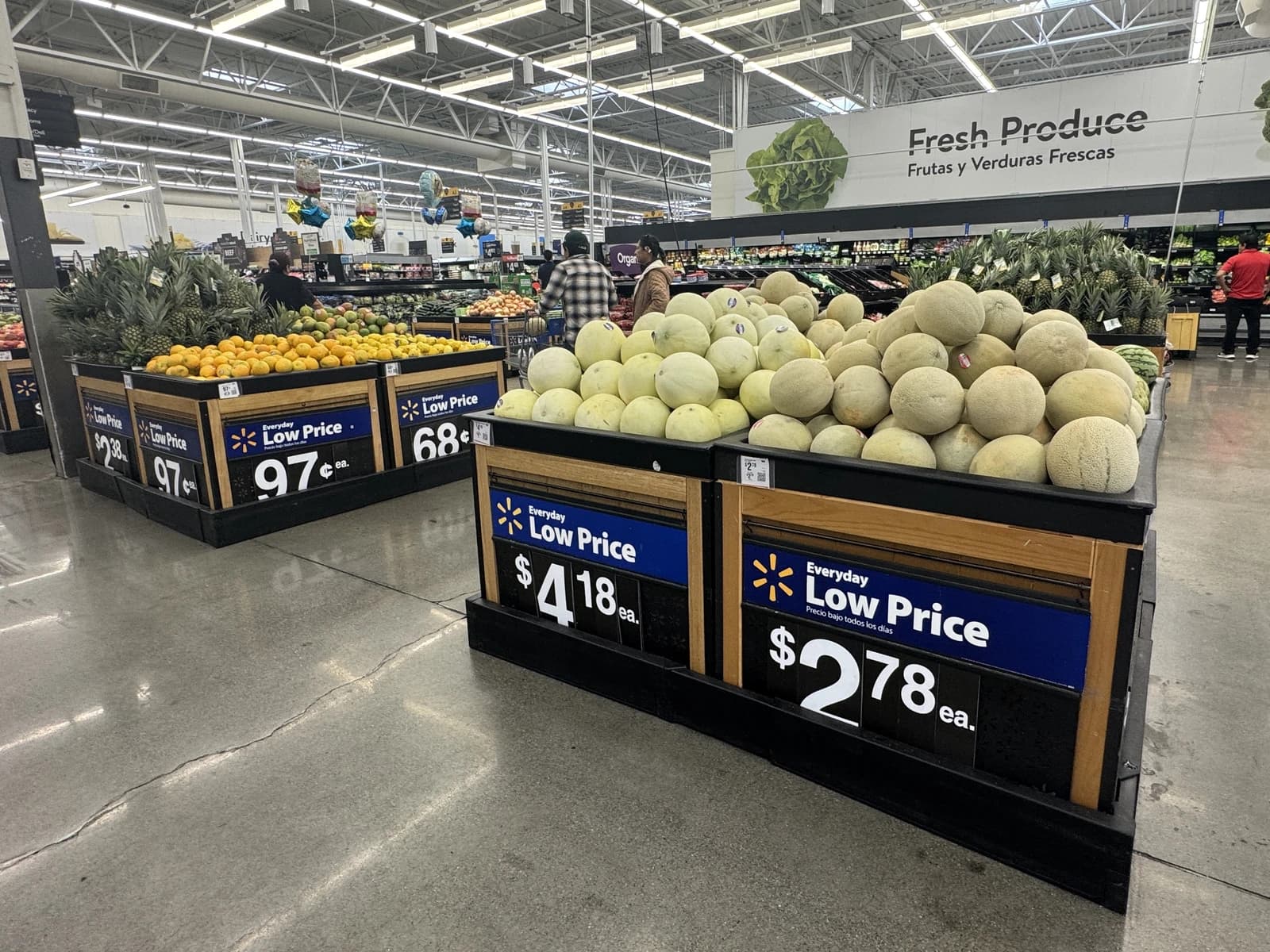
Inflation is still running ahead of wage growth in the US, leaving households with less purchasing power and making it harder for President Donald Trump to sell voters on an economy he has described as strong.
US Inflation Lags Wages, Fed Rate-Cut Outlook

That gap matters because consumer prices, not just headline growth or stock-market gains, shape how most Americans experience the economy. With the latest CPI series showing prices at 336.298 in September, up from 334.131 in August and 332.813 in July, inflation is still advancing even as unemployment hovers at 4.2% and wages remain under pressure. Forecasts point to only a slight pullback in October CPI to 335.8181, underscoring how sticky price pressures remain.
Sentiment IndicatorsⓘProprietary · adalytica.com · October 16, 2026
This is a snapshot — live sentiment, awareness and momentum for 130+ markets update continuously in the dashboard.Open AlphaPulse

The political risk is straightforward: when paychecks fail to keep up with living costs, households feel poorer even in a labor market that is not deteriorating sharply. That makes economic messaging more difficult for the White House and increases the likelihood that inflation, rather than unemployment, remains the dominant voter concern heading into the next policy and campaign cycle.
For markets, the combination of persistent inflation and a still-resilient labor market keeps the Federal Reserve in a difficult position. It reduces room for aggressive rate cuts, even as Treasury and equity investors increasingly price in a softer growth backdrop. The Federal Reserve’s balance sheet, measured by total assets, has stabilized around $6.76 trillion after shrinking from its 2021 peak, showing policy is still restrictive compared with the pandemic era.
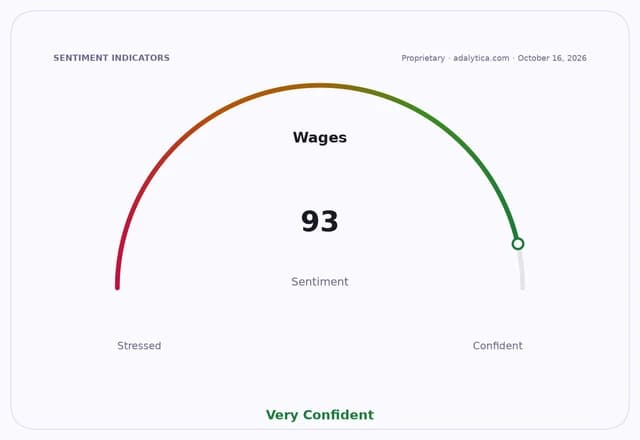
The data also points to a less comforting narrative for consumers than policymakers would prefer. The Adalytica CPI sentiment gauge remains in “Greed” territory at 74, while the wage inflation gauge is at 93, or “Extreme Greed,” suggesting the market is still highly alert to pay and price pressures. In plain terms, wages may be rising in nominal terms, but not fast enough to restore the purchasing power lost during the inflation surge of recent years.
That dynamic helps explain why inflation remains a potent economic and political issue even without a recession. If price gains stay elevated while wage growth cools, real incomes stall, consumer confidence weakens and households pull back on discretionary spending. That would pressure retailers, consumer lenders and cyclical sectors, while keeping pressure on policymakers to show visible progress on affordability.
The next key test is whether the latest inflation prints confirm that price pressures are easing enough to allow wage growth to catch up. Until then, Trump’s argument that the economy is broadly strong will keep running into a simple obstacle: voters judge prosperity by what their money buys, not by the pace of nominal gains.
| Entity | Gains | Losses |
|---|---|---|
| Consumers with wage gains | ▲Higher nominal pay | ▼Higher prices erode purchasing power |
| Trump administration | ▲If inflation cools later | ▼If voters focus on affordability |
| Federal Reserve | ▲Less chance of overheating | ▼Harder path to rate cuts |
| Equities/retailers | ▲Stable labor market supports spending | ▼Margin pressure from sticky costs |