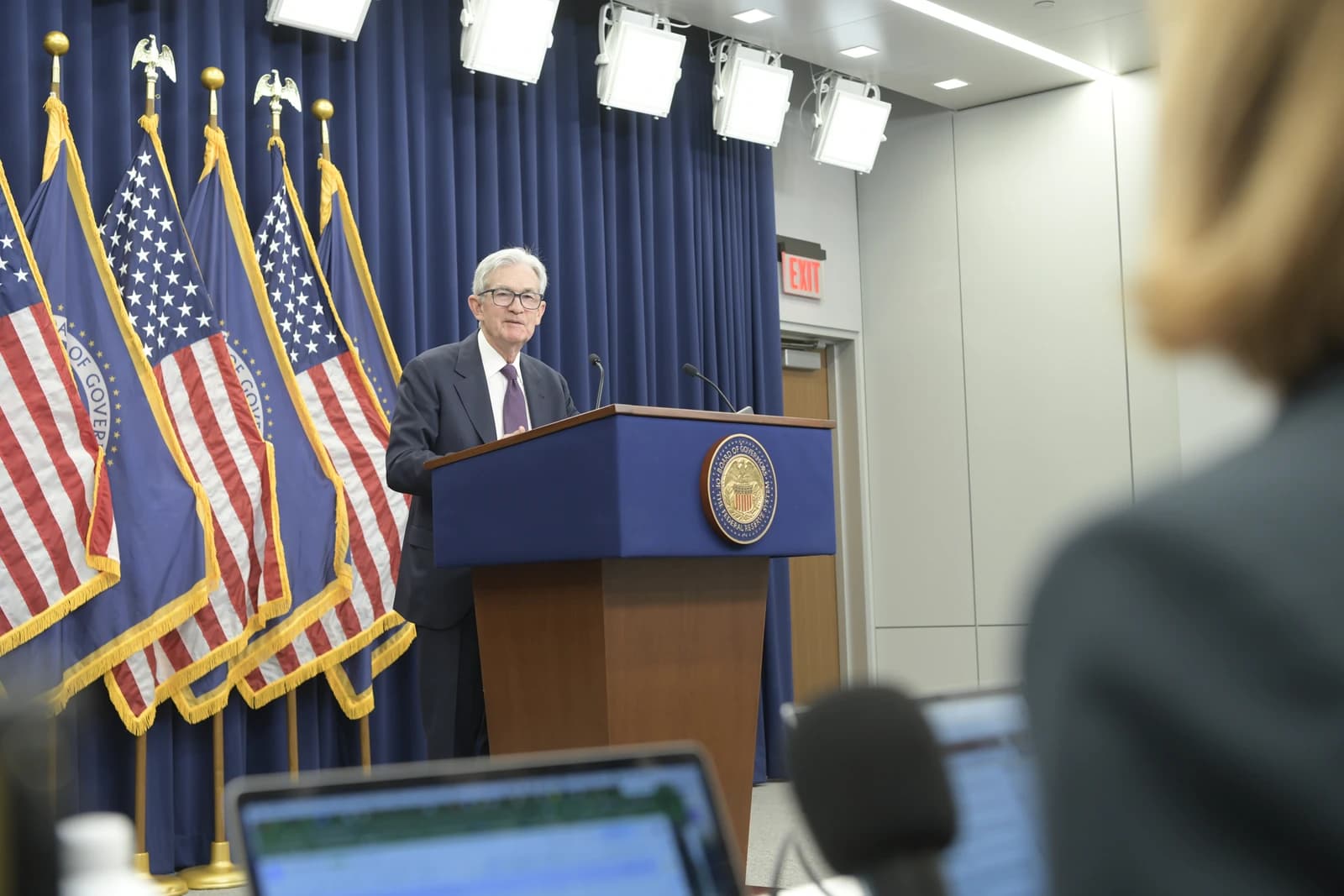
Richmond Fed President Thomas Barkin said the Federal Reserve may still need to raise interest rates further, reinforcing a cautious but still hawkish bias at a time when inflation remains too high and the labor market is still tight.
Fed Barkin says more rate hikes may still be needed
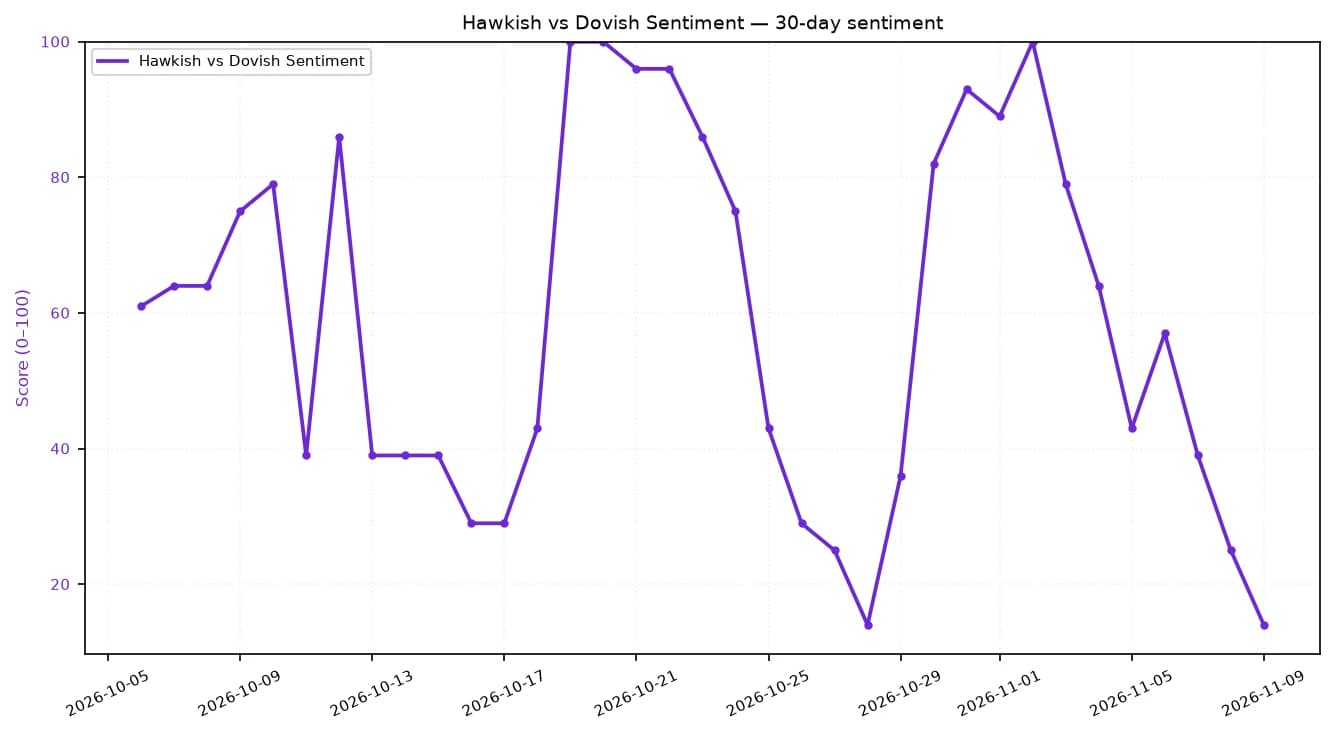
That matters because Barkin’s comments suggest the central bank is not done tightening policy even after keeping its benchmark rate unchanged in a 3.75%-4% range. With unemployment near record lows and inflation still elevated, the Fed’s next move is likely to be smaller, data-dependent increases rather than a sharp pivot toward easing.
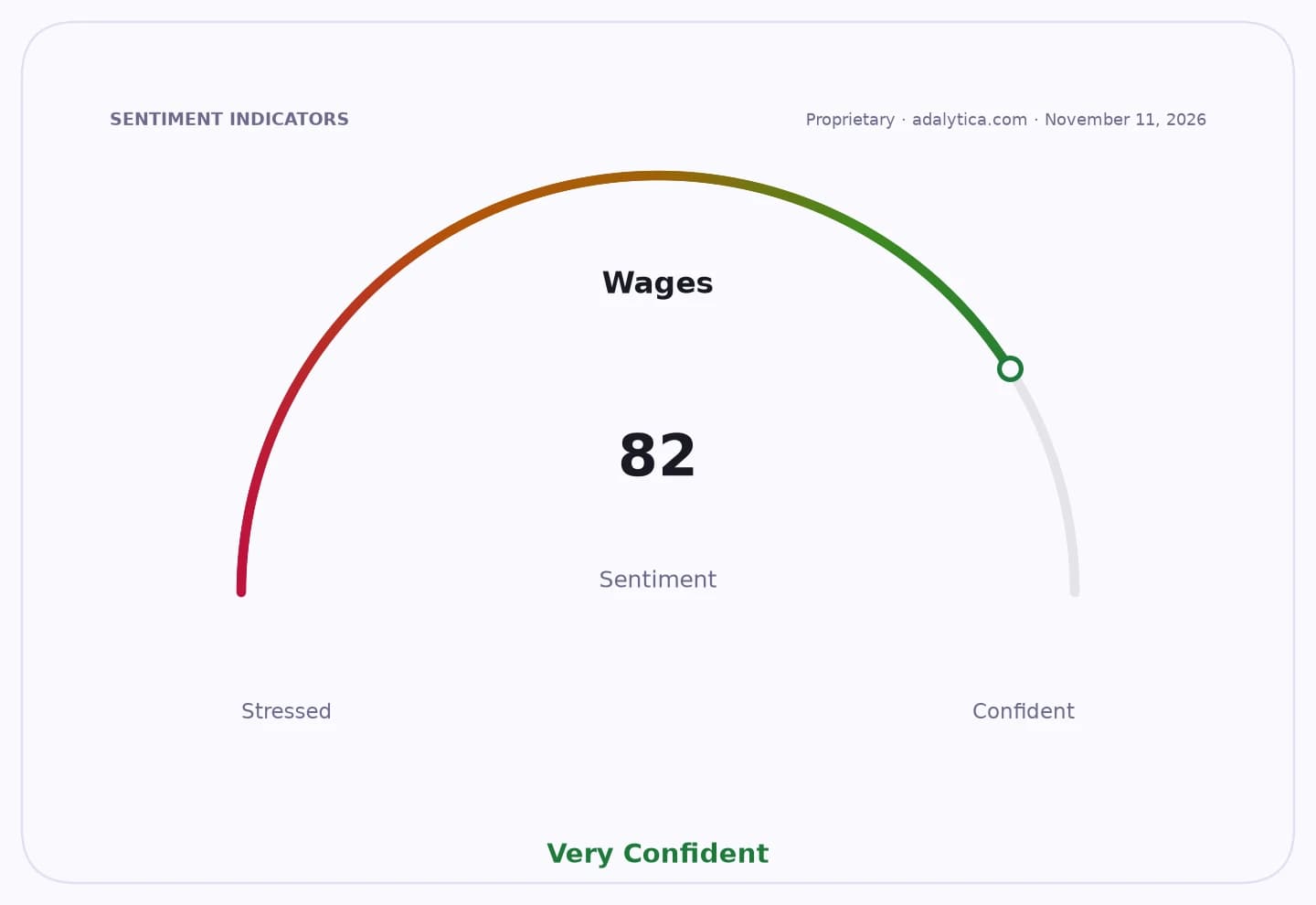
Sentiment Indicators
Hawkish vs Dovish
Barkin said gradual rate hikes make sense given the uncertainty facing the economy and the need to see additional data before moving too quickly. His remarks fit with a broader Fed message that officials want to slow inflation without abruptly choking off growth.
For investors, the takeaway is that the policy path stays tilted toward higher-for-longer rates, which keeps pressure on rate-sensitive assets and supports Treasury yields near recent highs. The 10-year Treasury yield was around 4.8% to 4.9% in recent trading, while the iShares 20+ Year Treasury Bond ETF, TLT, hovered near $82, still below its 200-day moving average of about $83.14.
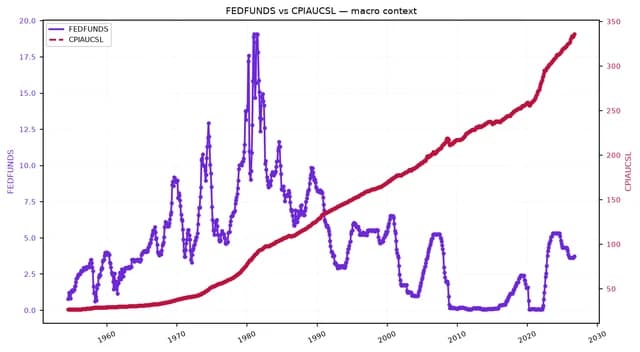
US equities have also been adjusting to the prospect of tighter financial conditions. The S&P 500 ETF, SPY, recently traded around $752.69, below its 50-day average of $764.86, while the KBW Regional Banking Index ETF, KRE, has been more resilient, supported by a steeper rate backdrop and better net interest income at some lenders.
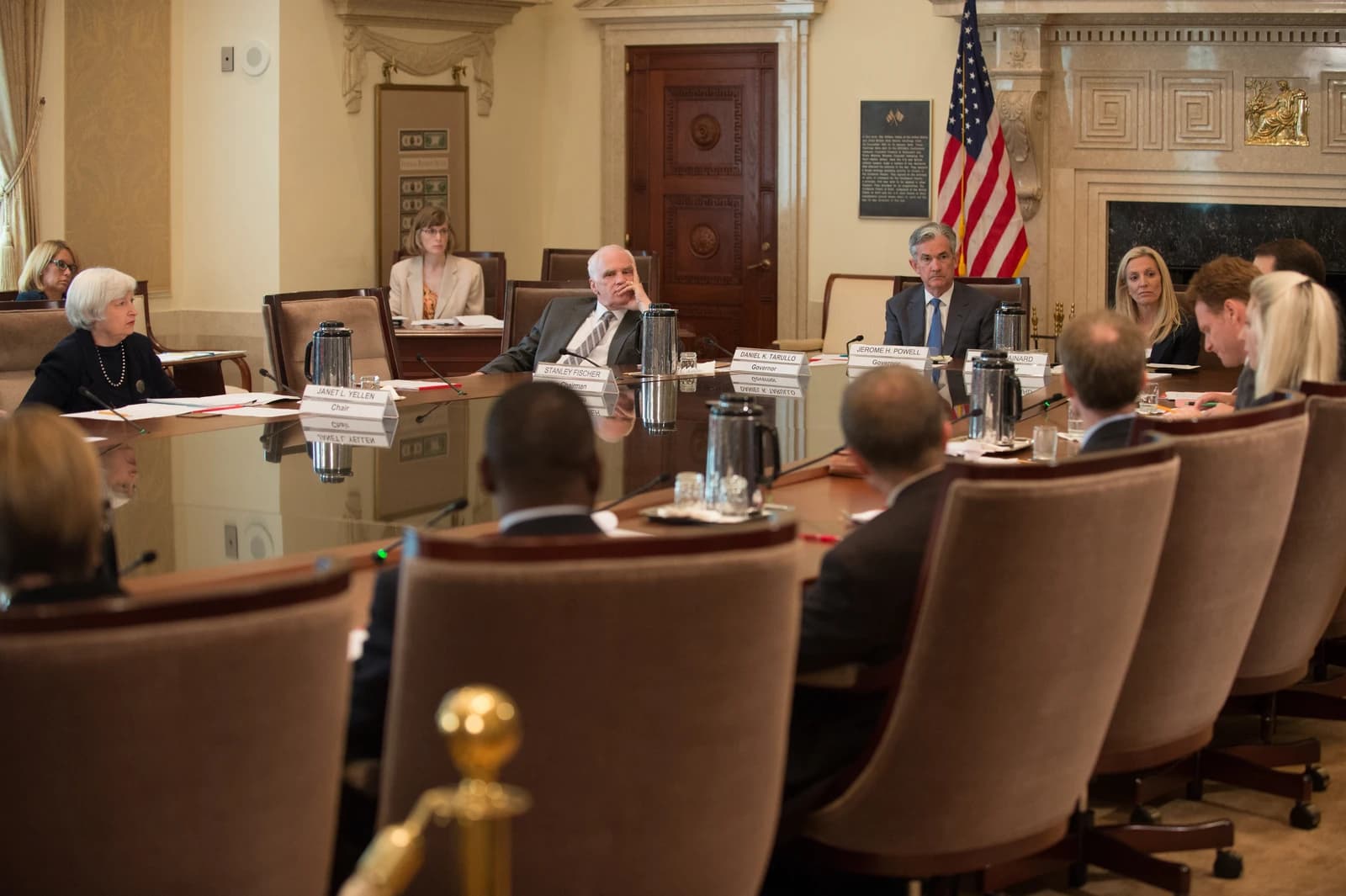
Barkin is not a voting member of the rate-setting Federal Open Market Committee this year, but his comments carry weight as markets gauge how long the Fed will keep policy restrictive. Traders will now look to the next inflation and labor data for clues on whether officials can stick with gradual hikes into year-end or need to slow again if growth weakens.
| Entity | Gains | Losses |
|---|---|---|
| Fed hawks | ▲Stronger anti-inflation case | ▼Calls for early easing |
| Treasury yields | ▲Support from higher-for-longer rates | ▼Bond prices |
| Big banks | ▲Wider interest margins | ▼Borrowers seeking cheaper credit |
| S&P 500 bulls | ▲— | ▼Higher discount rates, tighter liquidity |