Fresh inflation data looked hot on the surface, but traders and economists are treating it as a temporary jolt that is unlikely to push the Federal Reserve off the sidelines.
Fed rate outlook stays steady after hot inflation data

The key point for markets is that the broadening pressure that usually forces the Fed to react appears limited. Traders expect the coming personal consumption expenditures report, the central bank’s preferred inflation gauge, to show a similar pattern, keeping rate-cut and rate-hike odds largely contained.
That view is reinforced by rate markets. The fed funds rate is priced at 3.75%, while the 10-year Treasury yield has eased from 5.13% on Oct. 21 to 4.96% on Oct. 22, suggesting investors are not pricing a sustained inflation breakout. The dollar has also softened, with the U.S. Dollar ETF UUP slipping to 28.90 from 29.12 earlier in the week.
Equities have been more cautious. The SPDR S&P 500 ETF Trust fell to 763.96 on Oct. 22 from 773.09 a day earlier, after a sharp swing in expectations around Fed policy. The S&P 500’s technical backdrop remains constructive, with the index still above its 50-day and 200-day moving averages, but the latest pullback shows how quickly inflation surprises can pressure risk appetite.
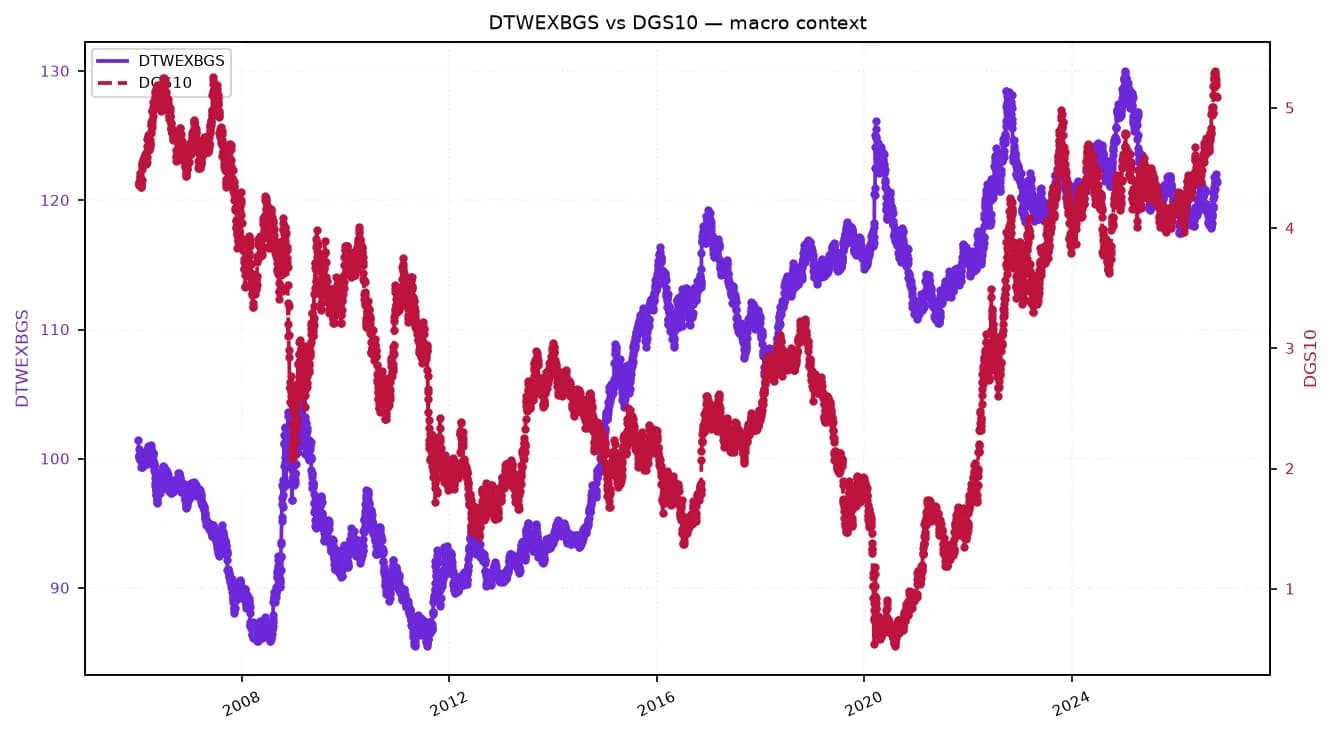
CPIAUCSL vs FEDFUNDS — macro contextadalytica.com
Explore this data interactively — full history, time series and cross-market comparisons.Open AlphaPulse
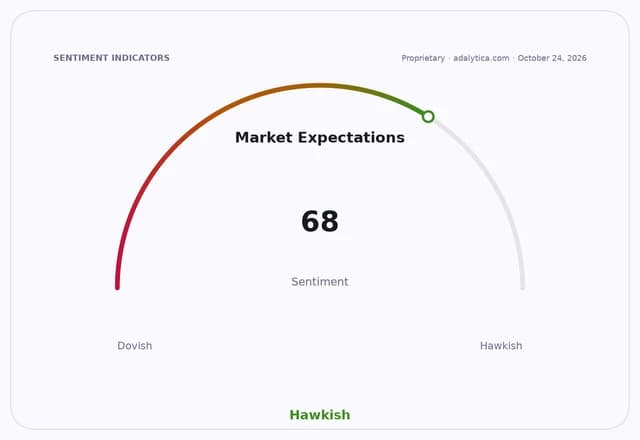
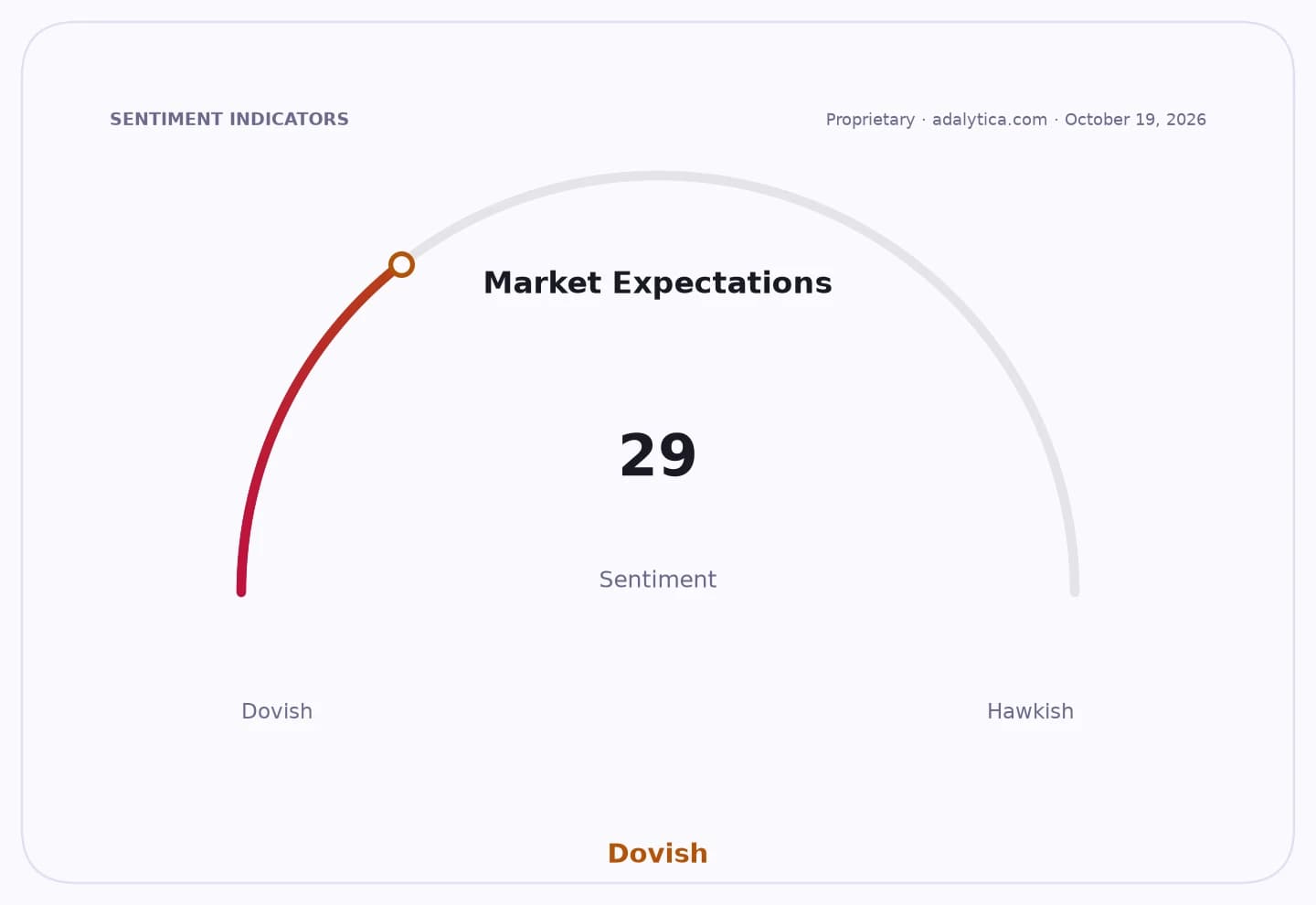
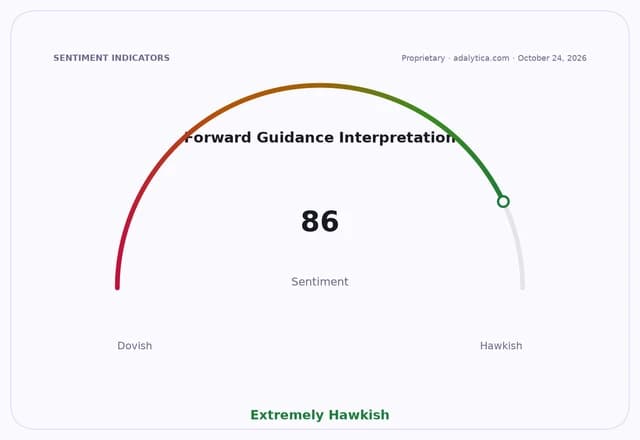
Adalytica’s market-expectations gauge for Fed rate decisions is still neutral at 68, while its forward-guidance gauge reads 86, or “extreme greed,” underscoring how sensitive traders remain to any shift in policy messaging even as the broader view is that the Fed will stay patient. The bigger economic message is that one hot print does not equal a regime change, especially if the breadth of price gains keeps narrowing.
For investors, that means the near-term trade is likely to stay focused on Treasury yields, rate-sensitive stocks and the dollar rather than on a full repricing of the Fed path. The next PCE release will be the clearest test of whether the latest inflation blip has legs or is just noise.
| Entity | Gains | Losses |
|---|---|---|
| Fed | ▲More time to wait | ▼Pressure to act quickly |
| Bond bulls | ▲Lower yields risk fading | ▼Inflation hawks |
| Equity investors | ▲Less chance of tighter policy | ▼Rate-sensitive sectors |
| Dollar bears | ▲Softer U.S. dollar | ▼Dollar strength trades |