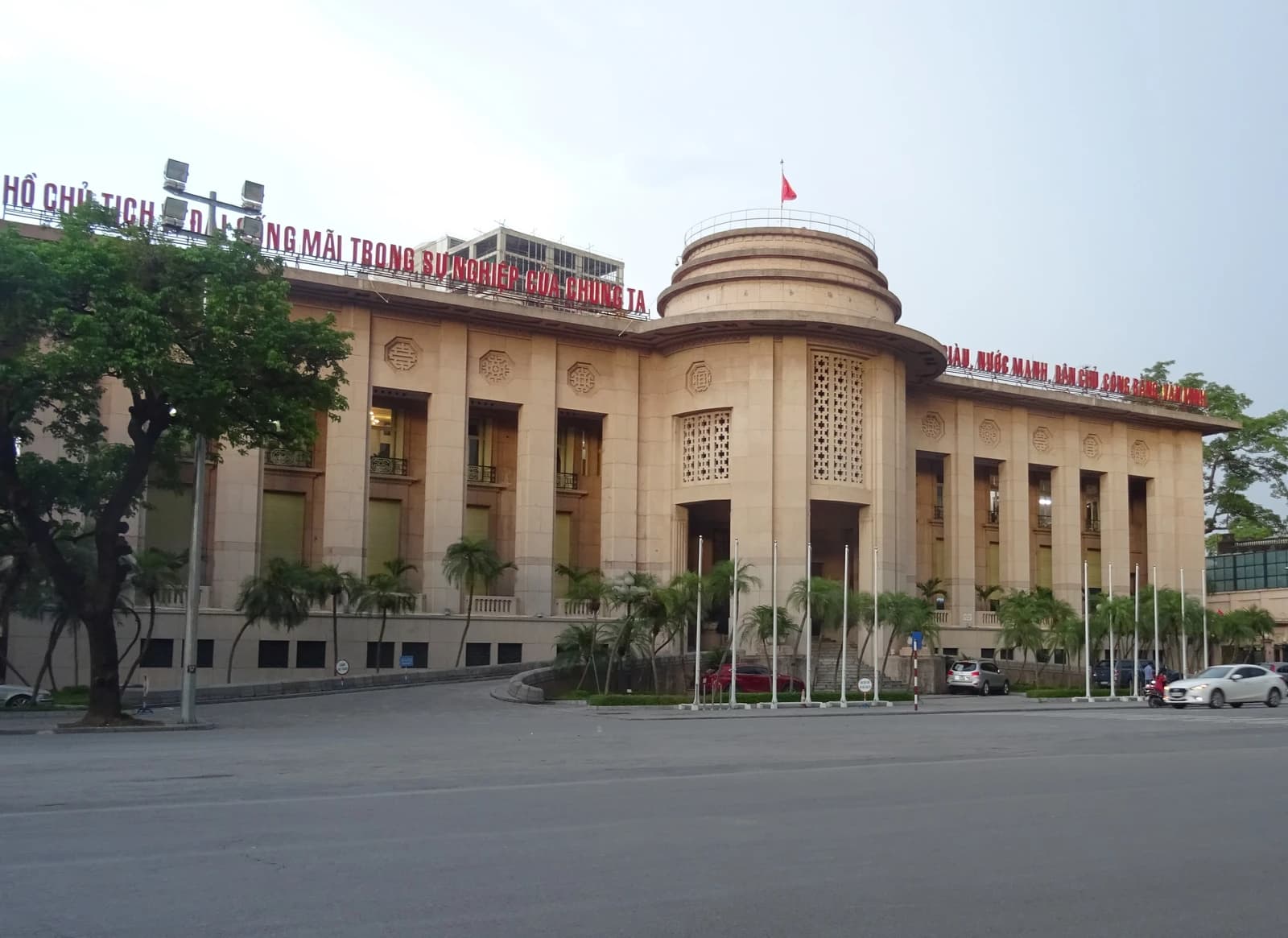
Vietnam’s central bank is preparing a six-month foreign-exchange swap worth as much as $2 billion, a move that could ease đồng liquidity pressure in the banking system and improve risk appetite across local markets.
Vietnam central bank plans $2 billion FX swap
Brokerage VPS said the State Bank of Vietnam’s planned 182-day FX swap operation on Nov. 6 is designed to support short-term VND funding as bank demand for capital rises. The central bank will buy dollars spot at 24,399 dong and sell them back at 24,704 dong, a spread of about 305 dong per dollar, or roughly 2.51% a year.
Sentiment Indicators
The scale is large enough to matter for money markets. The maximum size of nearly 48.8 trillion dong could help reduce interbank funding stress and temper short-term rates, while also limiting pressure on banks to bid up retail deposits from households and companies.
That matters for investors because lower funding pressure can support margins and valuations in rate-sensitive sectors such as banks, brokers and property developers. VPS said the move should improve VND liquidity and market psychology in the near term, even if the effect on listed shares is indirect.
The longer tenor is the bigger signal. Previous swap operations this year mostly ran for 3 to 21 days, but the 182-day maturity gives banks a more stable funding buffer and reduces rollover risk. It also suggests the SBV is using targeted liquidity tools rather than signaling broad monetary easing.
Still, the help is temporary. The central bank must sell the dollars back at maturity in May 2027, meaning the foreign-exchange impact on reserves is not permanent and the dong liquidity injected will eventually be withdrawn unless the swap is extended or replaced.
VPS said the actual benefit will depend on how much of the operation is used, USD funding costs and what other liquidity tools the SBV deploys. The market will now watch the take-up of the swap, interbank rates and whether more FX swaps follow in December.
| Entity | Gains | Losses |
|---|---|---|
| Banks with eligible FX liabilities | ▲Cheaper short-term dong funding | ▼Pressure to compete for deposits |
| Rate-sensitive stocks | ▲Better sentiment and valuation support | ▼Less benefit if liquidity eases only briefly |
| State Bank of Vietnam | ▲More room to manage liquidity | ▼Temporary reserve impact only |
| Depositors and savers | ▲— | ▼Potentially lower deposit-rate upside |