Morocco’s banking system is drawing in more cash, a sign of resilient household savings and solid corporate liquidity that should help lenders fund credit growth at a time when deposit pricing is still moving unevenly.
Morocco banks deposits rise 10% in August
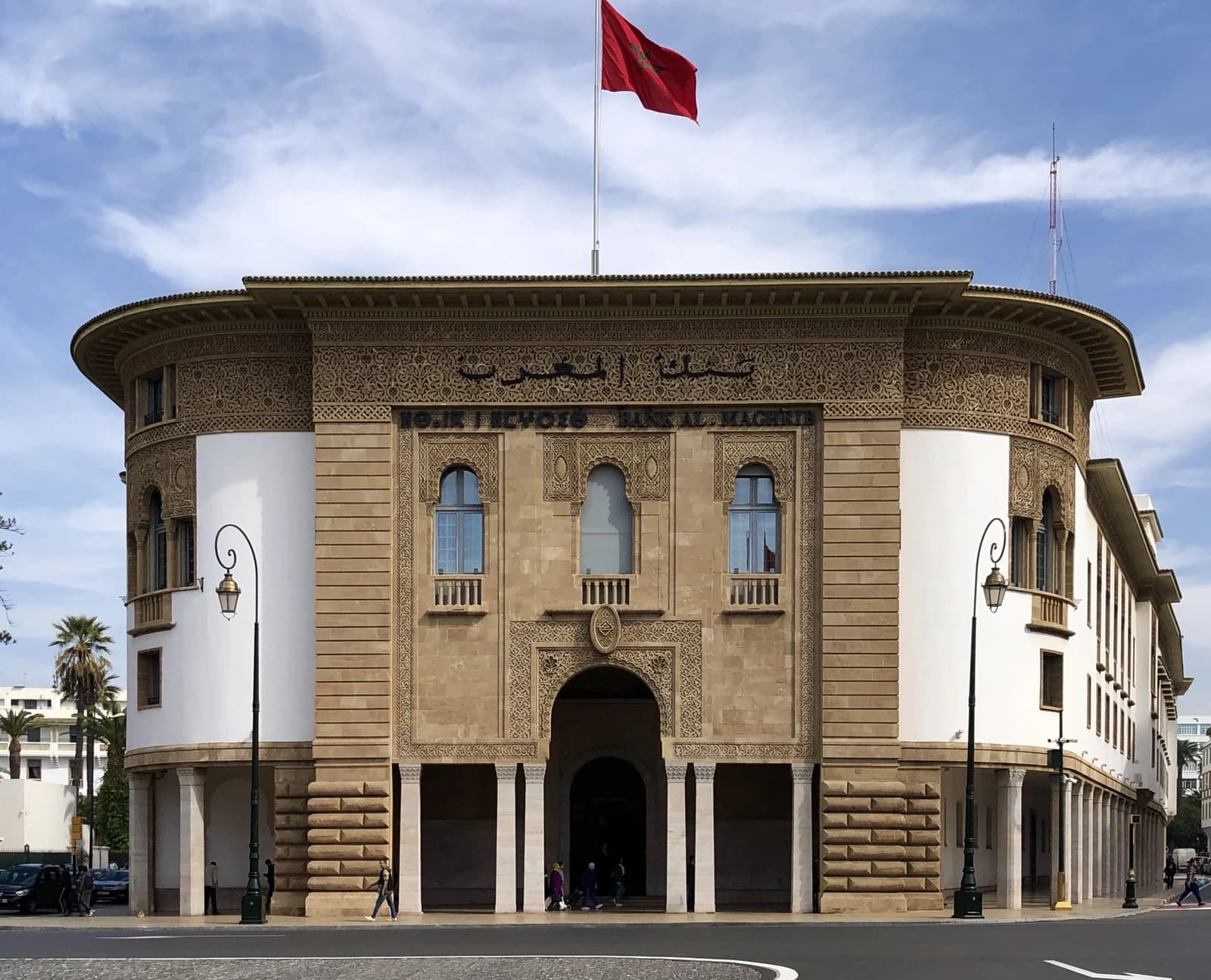
Bank Al-Maghrib said deposits reached 1,431.9 billion dirhams at the end of August, up 10% from a year earlier, with household deposits rising 9% to 1,037.2 billion dirhams. That included 235.5 billion dirhams held by Moroccans living abroad, underscoring the importance of remittance-linked savings to the local banking system. Deposits from private non-financial companies climbed 11.6% to 258.1 billion dirhams, a pace that suggests businesses are keeping substantial liquidity on balance sheet rather than deploying all of it into investment or working capital.
For the economy, the increase in deposits matters because it expands the funding base available to banks and reduces pressure on wholesale financing. In practical terms, that can support lending capacity to households and firms without forcing lenders to rely as heavily on more expensive market funding. For policymakers, a stronger deposit base also points to continued confidence in the banking system, even as the central bank manages the trade-off between supporting savings and keeping credit conditions from tightening too much.
The composition of deposit growth is also important. Household balances remain the anchor of the system, while the rise in corporate deposits points to cautious cash management by companies in a period of uncertainty. That combination can be positive for bank liquidity, but it may also reflect slower investment appetite if firms are preferring to hold cash instead of expanding aggressively.
Bank Al-Maghrib’s latest pricing changes suggest competition for deposits is still active, though not uniform across maturities. The six-month term deposit rate fell 30 basis points to 2.15%, while the 12-month rate rose 7 basis points to 2.65%. The minimum rate on savings accounts was set at 1.82% for the second half of 2026, up 21 basis points from the previous semester. That mix points to banks trying to manage funding costs carefully while still attracting stable retail money.
For investors, the headline is constructive for Moroccan lenders because deposit growth supports liquidity and can ease pressure on net interest margins if funding remains abundant. The bullish case is that strong deposit inflows give banks room to extend credit and preserve balance-sheet flexibility. The bearish case is that if rate competition intensifies, the cost of deposits could rise faster than loan yields, limiting margin gains. The next test will be whether the pace of deposit growth translates into stronger lending and whether savings inflows remain broad-based through the rest of the year.
| Entity | Gains | Losses |
|---|---|---|
| Moroccan banks | ▲Stronger liquidity base | ▼Higher deposit pricing pressure |
| Household savers | ▲Safer parking for cash | ▼Lower term-deposit yields |
| Moroccan companies | ▲Flexible cash buffers | ▼Missed deployment of idle funds |
| Credit growth outlook | ▲Easier funding conditions | ▼Dependence on stable inflows |