Tunisia’s banking system entered 2026 with fewer customer accounts, even as card usage kept climbing, underscoring a financial sector that is expanding in convenience but still losing ground in formal account ownership.
Tunisia banks lose accounts as card use rises
The number of bank accounts slipped 1.8% by the end of 2025, a small but telling decline in a country where access to formal finance is still a critical part of household spending, savings and business activity. For investors and policymakers, the message is straightforward: Tunisia’s banking network is not shrinking outright, but it is not deepening as fast as it should in an economy that needs broader financial inclusion to support growth.
Sentiment Indicators
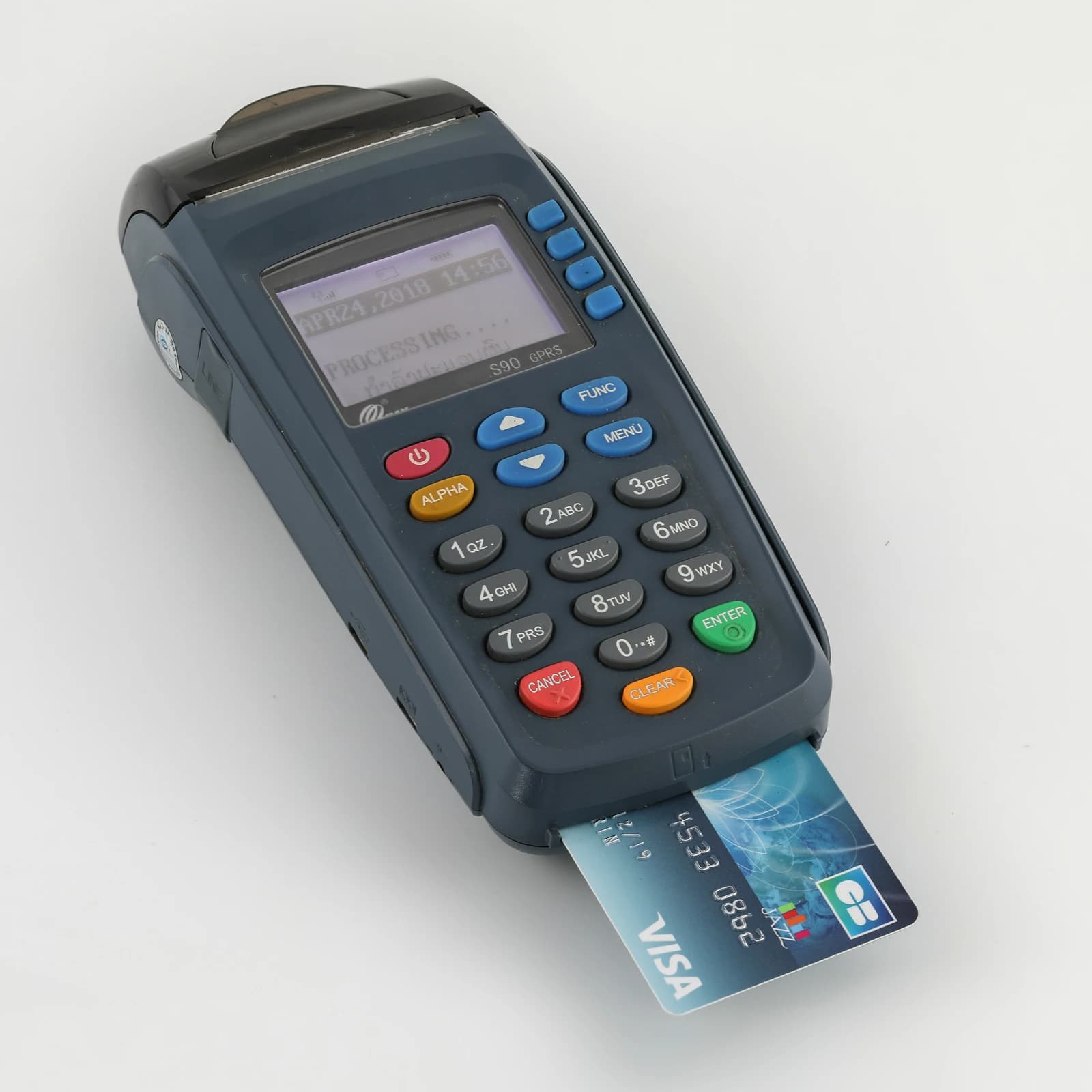
At the same time, the number of bank cards rose 7.3% to 5.9 million, suggesting that existing customers are using more digital and card-based payment tools. That matters because card adoption can improve transaction volumes, reduce cash dependence and support fee income for lenders. But the data also show the limits of that trend: Tunisia’s banking footprint is broadening operationally, while the underlying customer base is still under pressure.
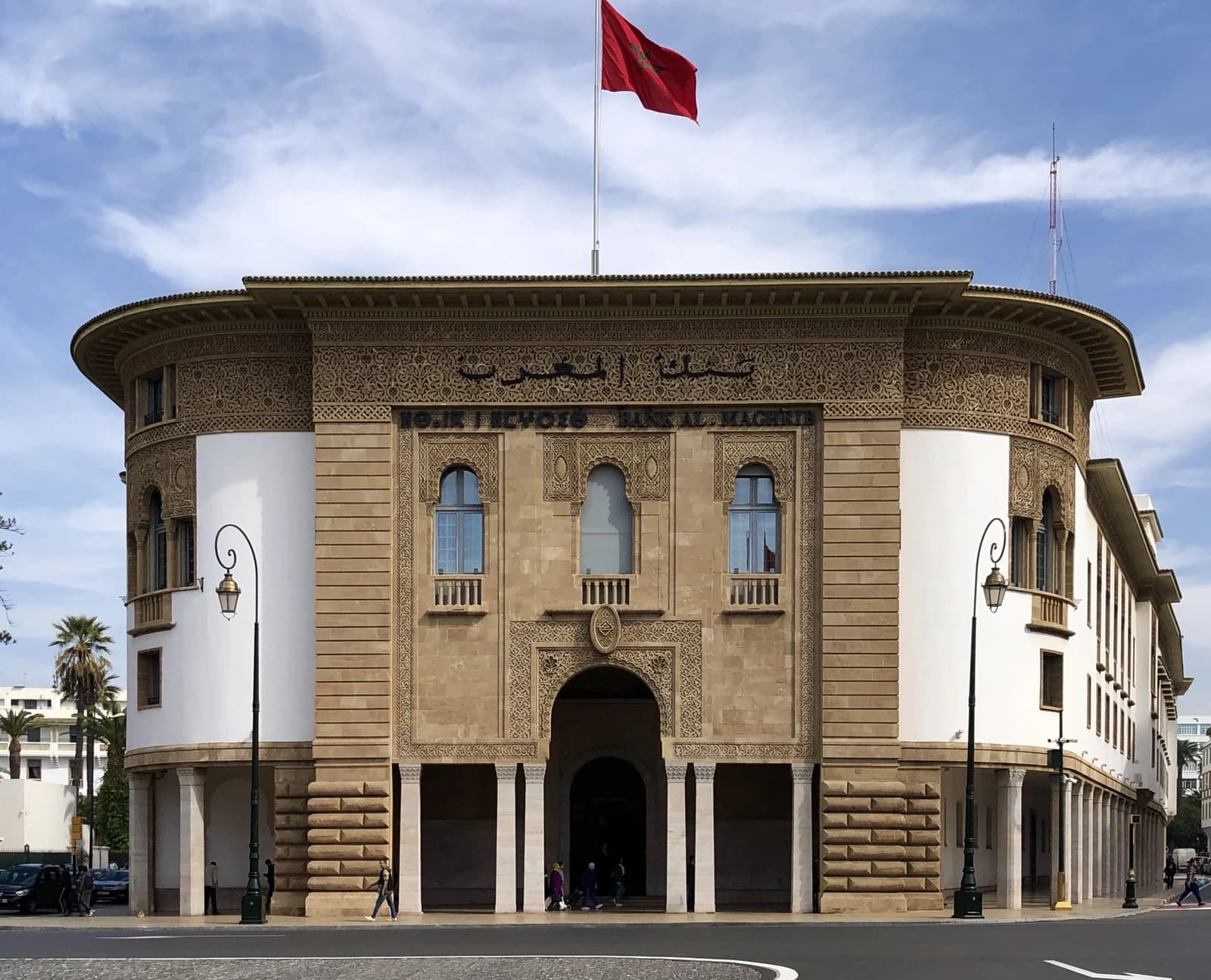
Branch coverage improved marginally, with the number of bank branches rising to 2,081 from 2,064 a year earlier, or one branch for every 5,754 residents. Automated teller machines held steady at about 3,300, while payment institution outlets reached 3,629 points of sale, concentrated in the Grand Tunis and Centre-East regions. In other words, the system is being maintained and modernized, but not transformed.
The bigger picture is one of stability at the institutional level and stagnation at the customer level. Tunisia had 47 banking and financial institutions at the end of 2025, unchanged from a year earlier, including 29 banks and 18 financial institutions. The number of non-resident banks and leasing outlets also held steady, reinforcing the view that the sector is in a holding pattern rather than an expansion phase.
For investors, that makes bank earnings in Tunisia look more dependent on efficiency, payment activity and selective lending growth than on a broad credit boom. A rising card base is a constructive sign, but a falling account count hints at weak household formalization, modest loan demand or structural friction in the economy. That combination tends to favor disciplined lenders and payment businesses over aggressive volume growth stories.
The long-term investment takeaway is that Tunisia’s banking system still offers opportunity, but the catalyst is likely to be digital adoption and financial inclusion rather than rapid branch-led expansion. If the country can turn more card users into active, formal banking customers, lenders could unlock better fee income and stronger deposit growth. Until then, this looks more like a slow-building recovery than a breakout trend — worth watching, but not a reason to chase the sector blindly.
| Entity | Gains | Losses |
|---|---|---|
| Card issuers | ▲Higher transaction use | ▼Fewer account holders |
| Payment institutions | ▲More outlets and usage | ▼Cash-heavy legacy model |
| Tunisian banks | ▲Stable branch network | ▼Weak account growth |
| Customers using cards | ▲Easier payments | ▼Limited banking deepening |