Ukrainians who need to withdraw larger sums of cash can usually raise their card’s internal bank limit, but they cannot override the National Bank of Ukraine’s ceiling on daily cash withdrawals, which remains the binding constraint on access to money.
Ukraine bank cash withdrawal limits and NBU caps

That distinction matters because the issue is no longer just convenience. In a cash-intensive economy under war-time pressure, how much money customers can pull from cards affects household liquidity, small-business working capital and the speed at which banks must convert deposits into physical banknotes. The National Bank’s rules under resolution No. 18 set the outer boundary: up to 100,000 hryvnias a day for personal accounts not used for business or independent professional activity, and up to 200,000 hryvnias for other accounts. Bank fees are not counted inside those caps.
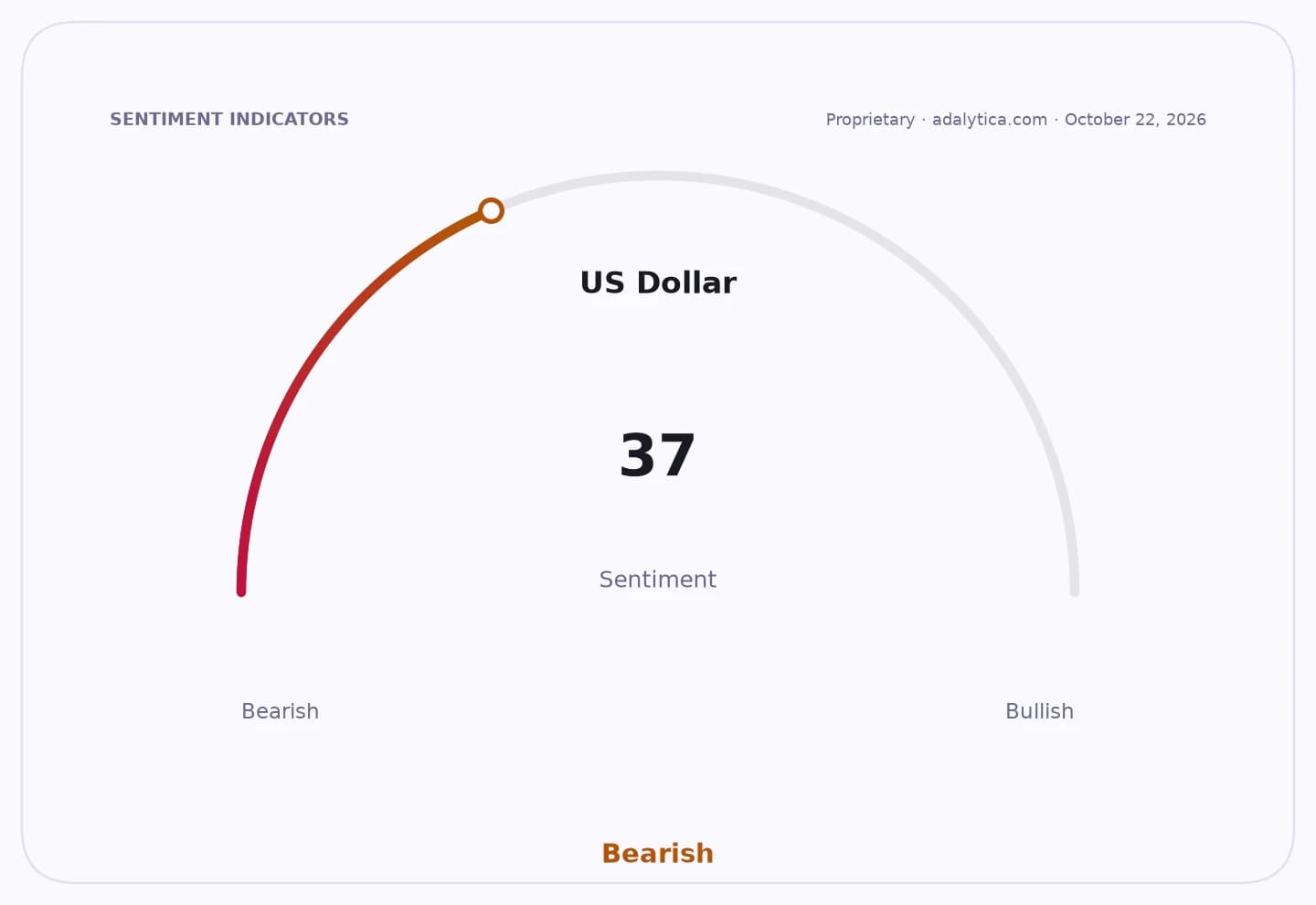
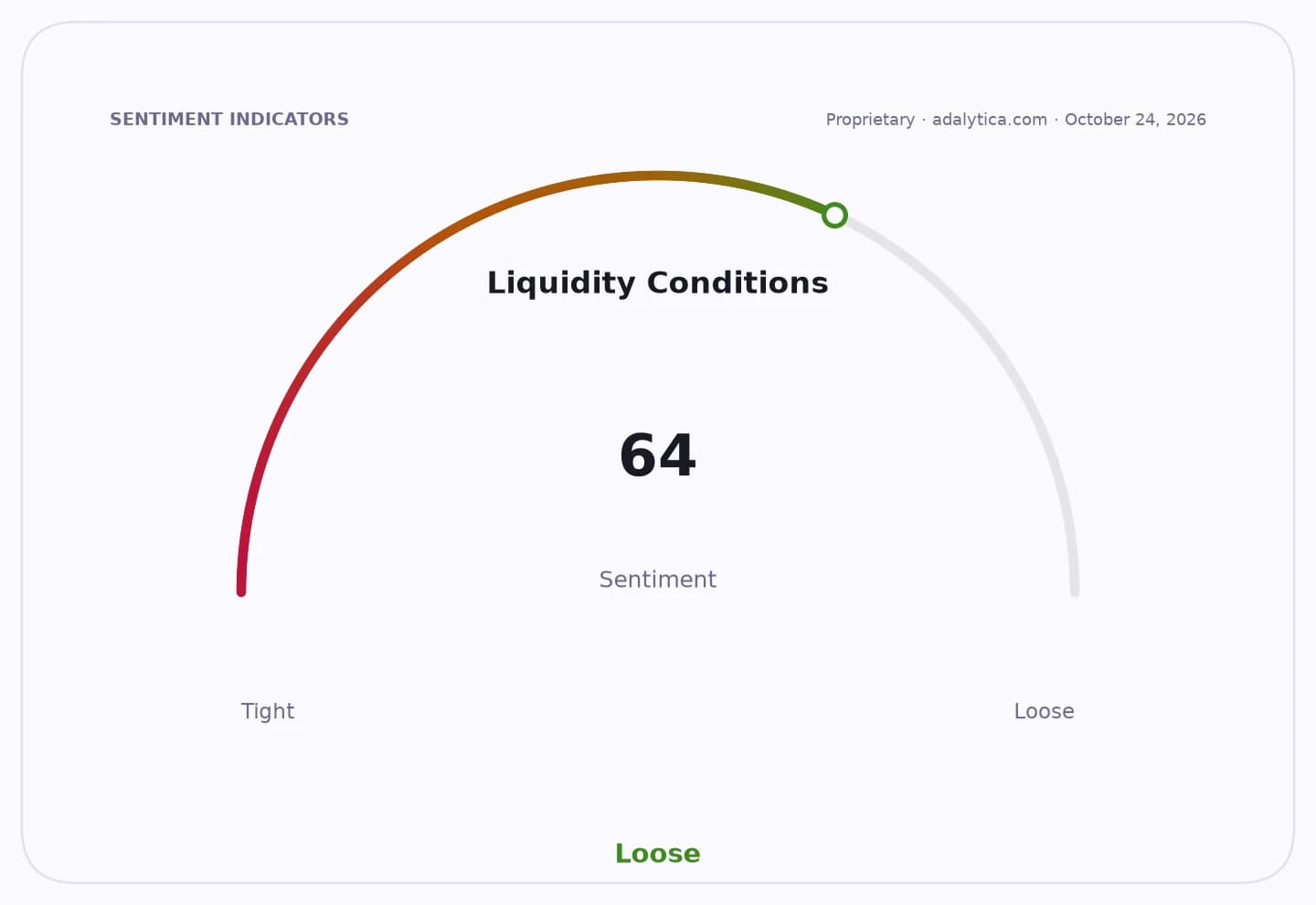
Sentiment IndicatorsⓘProprietary · adalytica.com · October 25, 2026
This is a snapshot — live sentiment, awareness and momentum for 130+ markets update continuously in the dashboard.Open AlphaPulse
The practical route is straightforward. Customers should first check their bank’s mobile app, where limits are often listed in card settings or a dedicated limits menu. If the bank allows self-service changes, the cardholder can pick the card and adjust the withdrawal cap within the permitted range. If the app does not allow it, the next step is to contact customer support, where the bank can say whether the limit can be lifted, whether extra confirmation is needed and whether the card is already at its maximum internal setting.
For larger sums, a bank branch remains an option, including cash withdrawal at the counter or advance ordering of banknotes. But that does not remove the regulator’s ceiling. A branch can improve execution, not legality.
For investors in Ukraine’s banking sector, the detail matters because it highlights the balance banks are trying to strike between customer demand for cash and the operational and regulatory controls designed to protect liquidity and security. The fact that individual banks still set their own per-transaction and intraday rules means distribution of cash remains fragmented, with ATM hardware, branch inventories and fraud controls all shaping end-user access.
The wider macro backdrop is one of persistent demand for cash even as deposit balances remain substantial. Ukraine’s broad money supply, measured by M2, has risen to about 23.34 trillion hryvnias in August 2026 from 21.79 trillion in March 2022, while the unemployment rate is forecast around 4.2% in September 2026, suggesting labor-market resilience even as consumers remain cautious. That mix supports bank deposits, but it also leaves households sensitive to withdrawal constraints whenever they need large amounts of cash quickly.
For bank shareholders, the issue is less about lost revenue than about funding discipline and customer experience. Banks that make limit changes easy may reduce friction and retention risk; those with tighter operational controls may limit fraud and cash leakage but risk frustration among high-balance clients. For regulators, the current framework preserves flexibility for banks while keeping a hard ceiling on aggregate cash outflows.
The near-term watchpoint is whether cash demand stays elevated and whether banks respond by widening internal limits, expanding branch cash availability or pushing more withdrawals into pre-ordered over-the-counter channels. For now, the main message is simple: customers can ask their bank to raise the card limit, but only within rules set by the bank and the National Bank of Ukraine.
| Entity | Gains | Losses |
|---|---|---|
| Bank customers | ▲Higher access if limits are raised | ▼Must stay within NBU caps |
| Banks | ▲Better retention from flexible limits | ▼More cash-handling pressure |
| National Bank of Ukraine | ▲Stronger control over cash outflows | ▼Less room for bank-by-bank flexibility |
| Cash-intensive businesses | ▲Easier access to working cash | ▼Need planning if limits stay tight |