Lebanon’s central bank is considering raising withdrawal limits under its long-running capital controls, a move that could ease pressure on households but also tests how far the banking system can stretch scarce liquidity without reigniting a broader cash crunch.
Lebanon Central Bank Reviews Higher Withdrawal Limits
Sources at Bank of Lebanon told LBC the increase in ceilings under circulars 158 and 166 is under review and would be decided by the central bank’s board, not by pressure from leaked reports. The timing could come before the holidays, when families face heavier spending on fuel, school fees and other living costs.
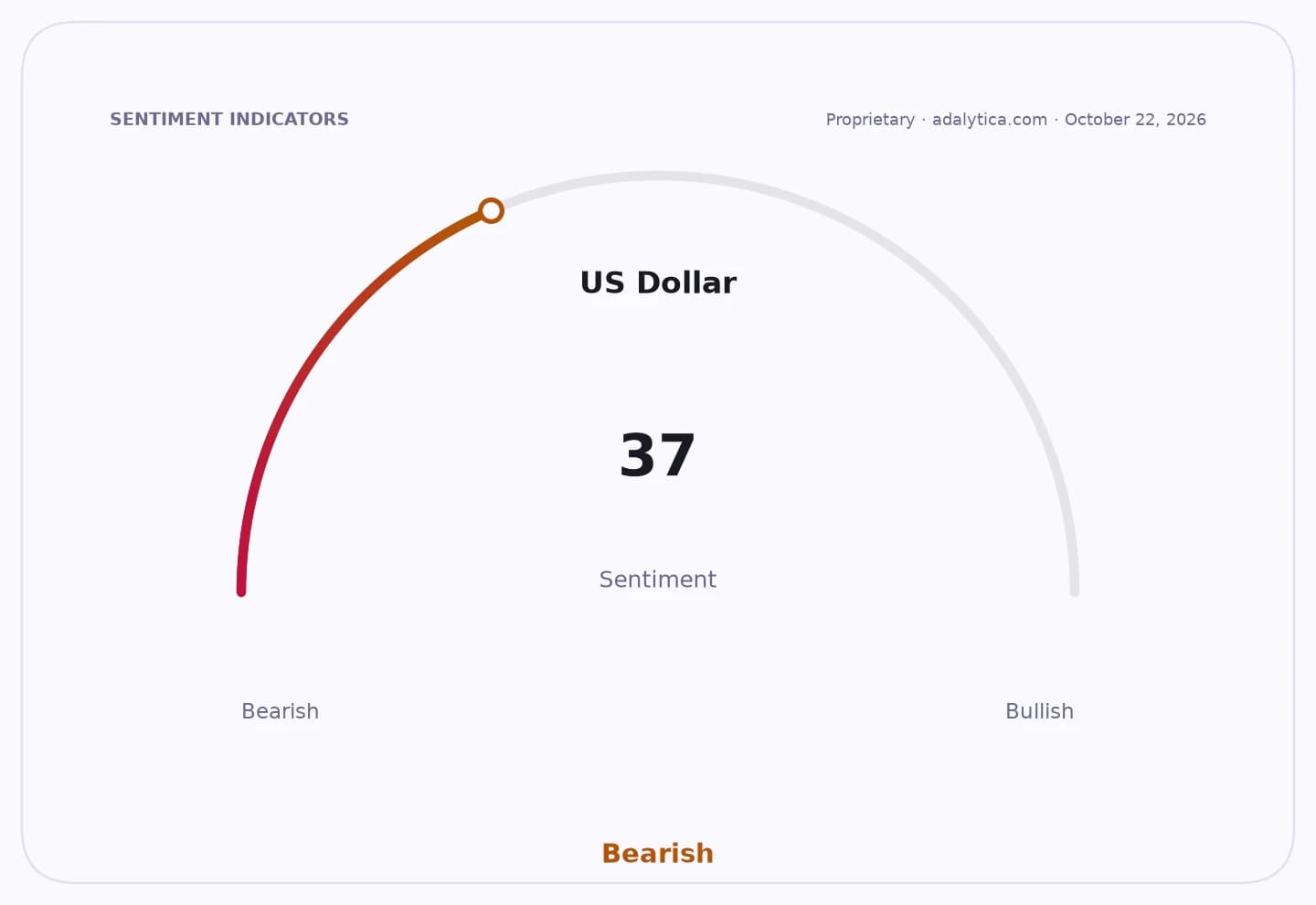
Sentiment IndicatorsⓘProprietary · adalytica.com · October 22, 2026
This is a snapshot — live sentiment, awareness and momentum for 130+ markets update continuously in the dashboard.Open AlphaPulse
The shift matters because Lebanon has spent years rationing access to depositors’ own funds, turning withdrawals into one of the most politically charged issues in the country’s financial collapse. Any rise in the ceiling would offer immediate relief to households and small businesses, but it would also increase demand for bank liquidity in an economy where confidence remains fragile and cash circulation is tightly managed.
The central bank also sought to push back against a common public perception that its reserves are its own war chest. The sources said those reserves are held for banks at the central bank and are effectively depositor money, framing any eventual release as a return of funds rather than a concession.
For investors, the key issue is not just the size of any increase but whether the measure signals a controlled easing or a new round of strain inside Lebanon’s banks. A higher ceiling may support near-term consumption and reduce social pressure, but it could also deepen scrutiny over reserve adequacy, bank balance sheets and the state’s ability to impose an orderly resolution on the crisis.
The decision is likely to be watched closely for what it says about policy makers’ willingness to loosen the freeze on deposits without destabilizing the system further. In Lebanon’s banking sector, even small changes in withdrawal rules can quickly become a referendum on solvency, trust and the durability of the country’s financial truce.
| Entity | Gains | Losses |
|---|---|---|
| Depositors | ▲Easier access to cash | ▼Still face limits |
| Households | ▲Short-term liquidity relief | ▼Weak bank confidence persists |
| Lebanese banks | ▲Lower social pressure | ▼Higher reserve drain risk |
| Central Bank of Lebanon | ▲Policy flexibility | ▼Greater scrutiny over reserves |