Lebanon’s banking crisis is moving from a debate over laws to a harder question that will decide winners and losers: which lenders still have real economic capital once their assets are marked to what can actually be recovered.
Lebanon banks face asset recovery test
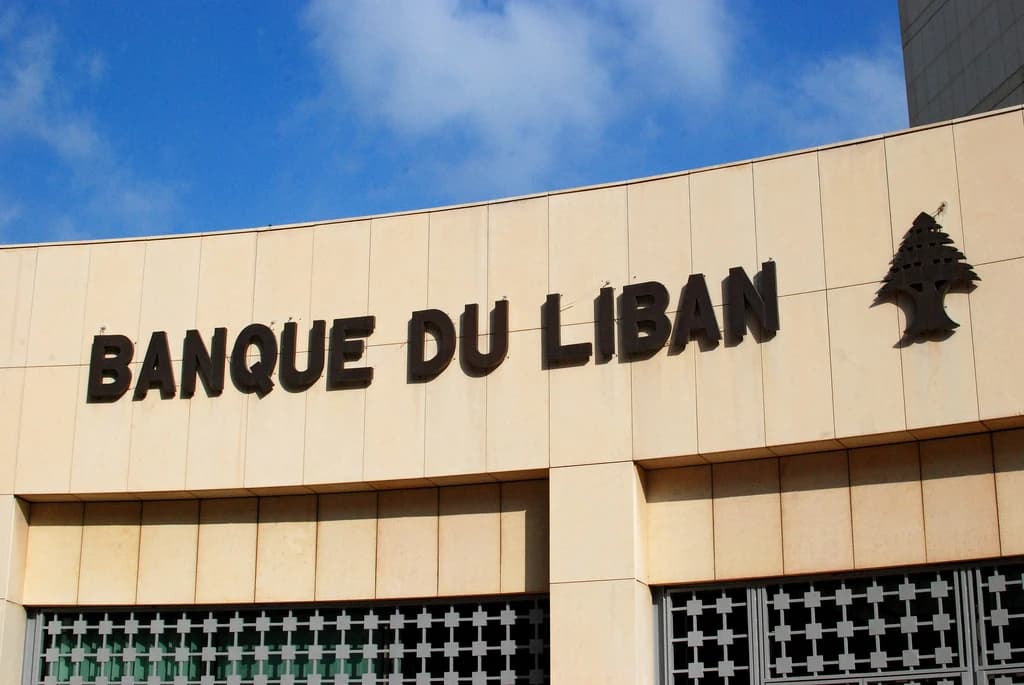
That matters because a bank can look solvent on paper and still be effectively insolvent in practice. In Lebanon, the real value of claims on the central bank, other assets and past transactions will determine whether an institution can be recapitalized, merged or wound down — and whether the country’s financial system can be rebuilt around a smaller, healthier core.
Sentiment IndicatorsⓘProprietary · adalytica.com · October 9, 2026
This is a snapshot — live sentiment, awareness and momentum for 130+ markets update continuously in the dashboard.Open AlphaPulse
The big development is not yet a rescue plan or a list of failed banks. It is the recognition that the legal framework for restructuring and the financial-gap law have to work together. One provides the machinery to deal with troubled lenders. The other is supposed to put a number on the losses and the recoverable value of assets. Without both, regulators can talk about bank viability, but they cannot really measure it.
That is why the headline numbers in Lebanese balance sheets may be misleading. A bank with $10 billion in assets and $9 billion in liabilities can appear to have room to survive. But if $6 billion of those assets are claims on Banque du Liban and only $3 billion can realistically be collected, the apparent cushion disappears. The same logic applies to stated capital: if the assets behind it were overvalued, equity may shrink or vanish once the books are adjusted to economic reality.
For investors, that is the whole story. In a system where reported capital may not equal true loss-absorbing capacity, the key question is not which banks are still licensed, but which ones have enough real capital, credible governance and recoverable assets to resume the core banking function of taking deposits and extending credit. That distinction will decide who gets fresh money, who needs a merger, and who has no viable future as a standalone institution.
The clean-up will also go beyond simple asset valuation. Sources cited in the report point to the need for a deep review of related-party dealings, asset transfers, dividend distributions, guarantees and debt restructurings. Those items matter because they could change the final loss number and, in some cases, reveal assets that can still be recovered through legal action. In other words, the end-state balance sheet may look very different from today’s published accounts.
For long-term investors, the lesson is blunt: in a banking system damaged by years of crisis, survival is not a right. It has to be earned through verifiable capital, transparent books and the ability to fund the economy again. Some Lebanese banks may be recapitalized. Others may be folded into larger institutions. Some may be pushed out entirely. That kind of pruning can be painful, but it is often the only way a broken banking sector becomes investable again. Until the real numbers emerge, the most honest answer to which Lebanese bank can survive is simple: only the ones whose assets still hold up after the accounting stops flattering them.
| Entity | Gains | Losses |
|---|---|---|
| Stronger Lebanese banks | ▲Survival chance | ▼Easy peers cleanup |
| Weak banks | ▲Early recapitalization path | ▼Standalone independence |
| Depositors and economy | ▲Healthier banking system | ▼Short-term uncertainty |
| Regulators and lawmakers | ▲Clearer restructuring tools | ▼Delay in final decisions |