Nghe An’s fast-expanding processing and manufacturing base is emerging as the province’s main growth engine, lifting third-quarter GRDP growth to 9.75% and strengthening the case for a broader industrial upswing in central Vietnam.
Nghe An GRDP Growth Rises on Manufacturing
The shift matters because manufacturing is not just adding output; it is changing the quality of growth. A stronger industrial base typically pulls in more capital spending, jobs, logistics activity and supplier demand, while creating a more durable revenue stream for local governments and industrial park developers than consumption-led growth alone. For investors, it also points to a deeper pipeline of demand for power-management, motion-control, automation and industrial equipment makers exposed to Vietnam’s manufacturing buildout.
Nghe An is now second in the North Central region and 14th among 34 provinces and cities, according to the data context, after processing and manufacturing became the province’s primary growth driver. That is a meaningful improvement for an economy that had previously shown mixed performance across sectors, with manufacturing lagging behind other areas despite overall progress. The latest numbers suggest the industrial push is moving from a cyclical rebound to a structural contribution to provincial growth.
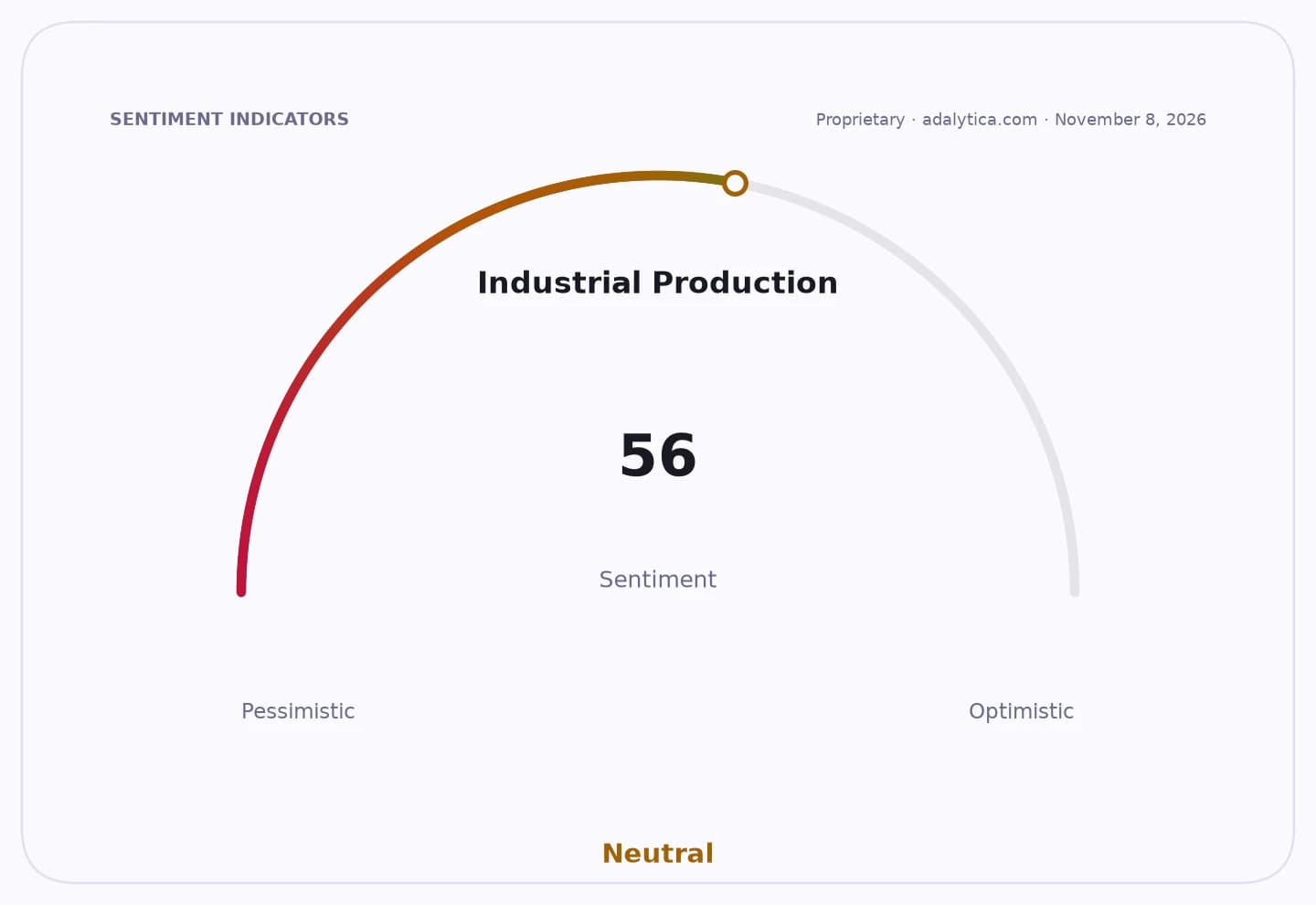
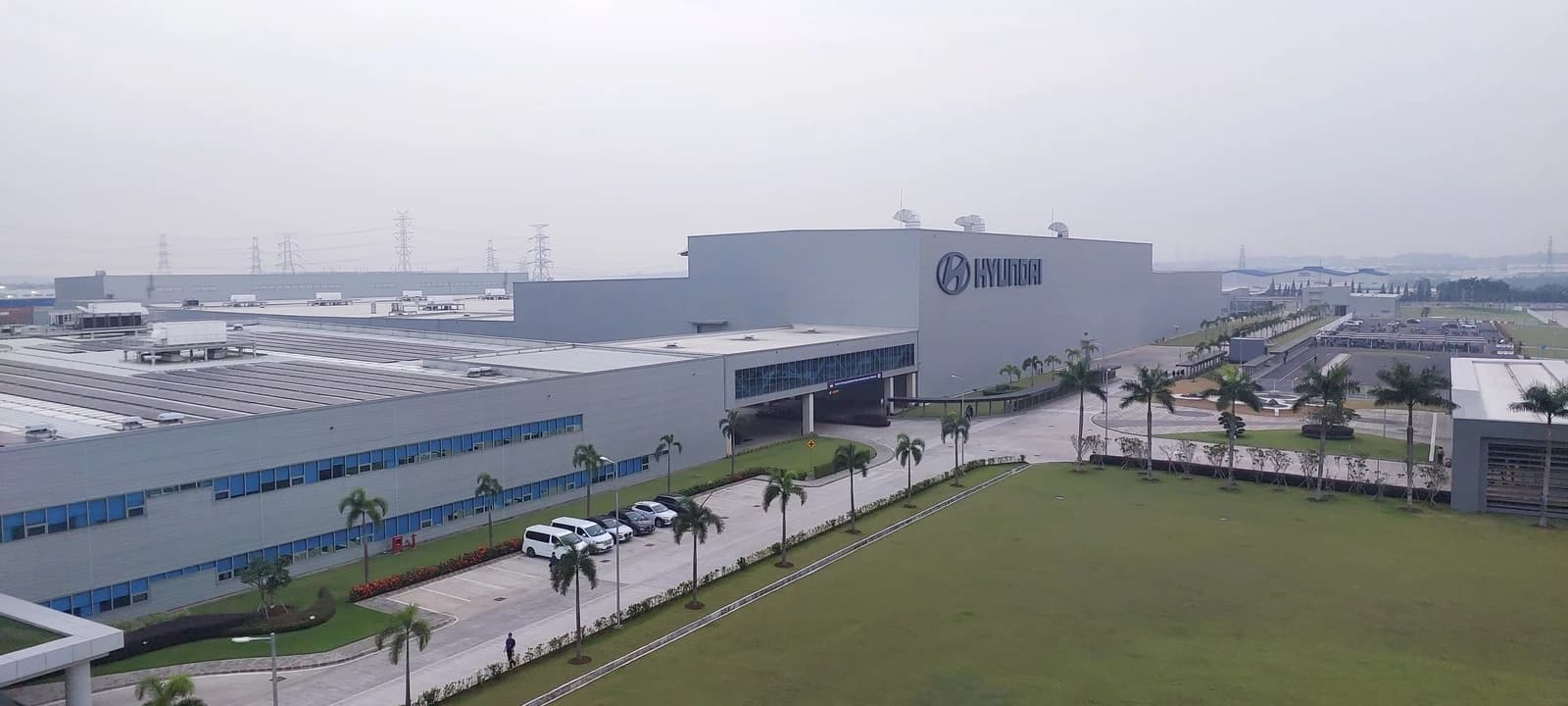
The broader macro signal is consistent with a manufacturing-led reallocation of activity in Vietnam’s provinces as firms seek lower-cost production bases and diversify supply chains. New investment into automotive manufacturing and related industrial activity is doing the heavy lifting, and the effect is visible in output, not just headlines. The industrial production series also shows steady improvement in the latest readings, with the index at 103.95 in September 2026 and a forecast of 104.05 in October, while the unemployment rate remains low at 4.1%, underscoring that the economy is still absorbing labor even as industrial activity expands.
That backdrop is important for US industrials with exposure to factory automation, electrification and production equipment. Eaton’s latest results pointed to higher sales, operating efficiencies and the Boyd Thermal acquisition as contributors to margin improvement, while Parker Hannifin has said it sees opportunities in aerospace and defense, industrial equipment and transportation. 3M, meanwhile, has cited productivity initiatives and pricing actions as offsets to tariff pressure and inflation. A stronger manufacturing cycle in Vietnam and similar industrial hubs can reinforce those demand pockets, especially for firms supplying equipment and components into new plants.
There are still risks. Export demand can soften, global trade tensions can delay investment decisions and the payback period on industrial projects can stretch if credit conditions tighten. The province’s recent gain also needs to be sustained by more than one wave of investment if it is to stay above the national trend. But for now, the balance of evidence points to an industrial expansion that is broadening the local economy and creating a clearer investment story for suppliers tied to factory buildout.
For investors, the key question is whether Nghe An’s manufacturing surge is a one-quarter boost or the start of a longer capex cycle. If more automotive and industrial projects follow, the province could become a more reliable demand node for capital goods suppliers and a stronger contributor to Vietnam’s regional growth map.
| Entity | Gains | Losses |
|---|---|---|
| Nghe An province | ▲Faster GRDP growth | ▼Low-productivity sectors |
| Industrial equipment suppliers | ▲More factory demand | ▼Firms tied to weak capex |
| Local labor market | ▲More jobs | ▼Workers in stagnant industries |
| Import-dependent competitors | ▲— | ▼Cost pressure from local production |