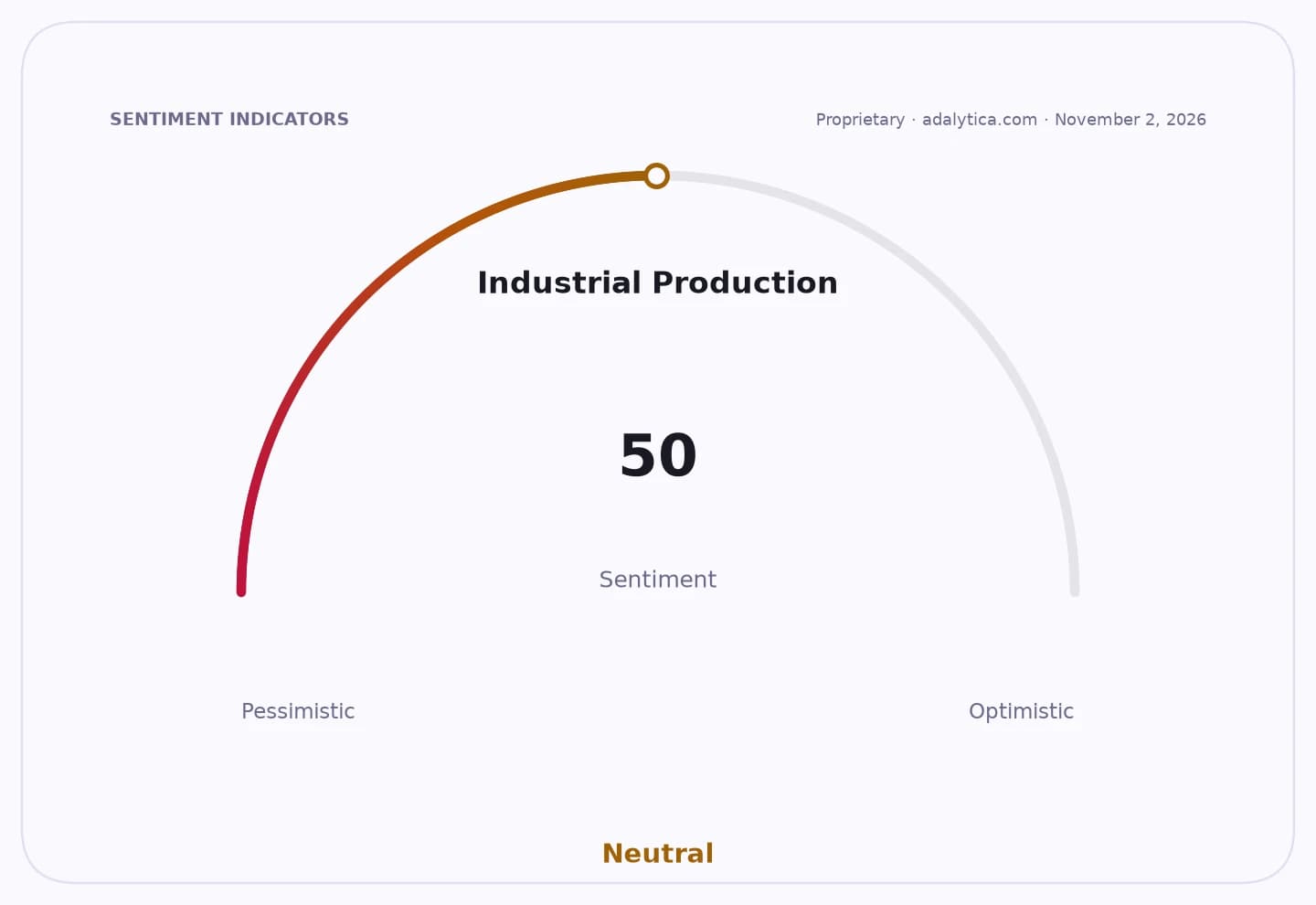
US textile mills were among the strongest pockets of American manufacturing in October, with new orders and production both expanding as the broader sector stayed in growth territory for a 24th straight month.
US Textile Mills Rise as Manufacturing Index Hits 55.5
That matters because textiles sit inside a supply chain that is highly sensitive to tariffs, import costs and cross-border logistics, making the industry a useful read-through on how trade policy and pricing pressure are shaping factory activity. The Institute for Supply Management’s manufacturing index rose to 55.5 from 54.5 in September, above the 47.5 level that marks expansion, with four of the five main subindexes improving.
Sentiment Indicators
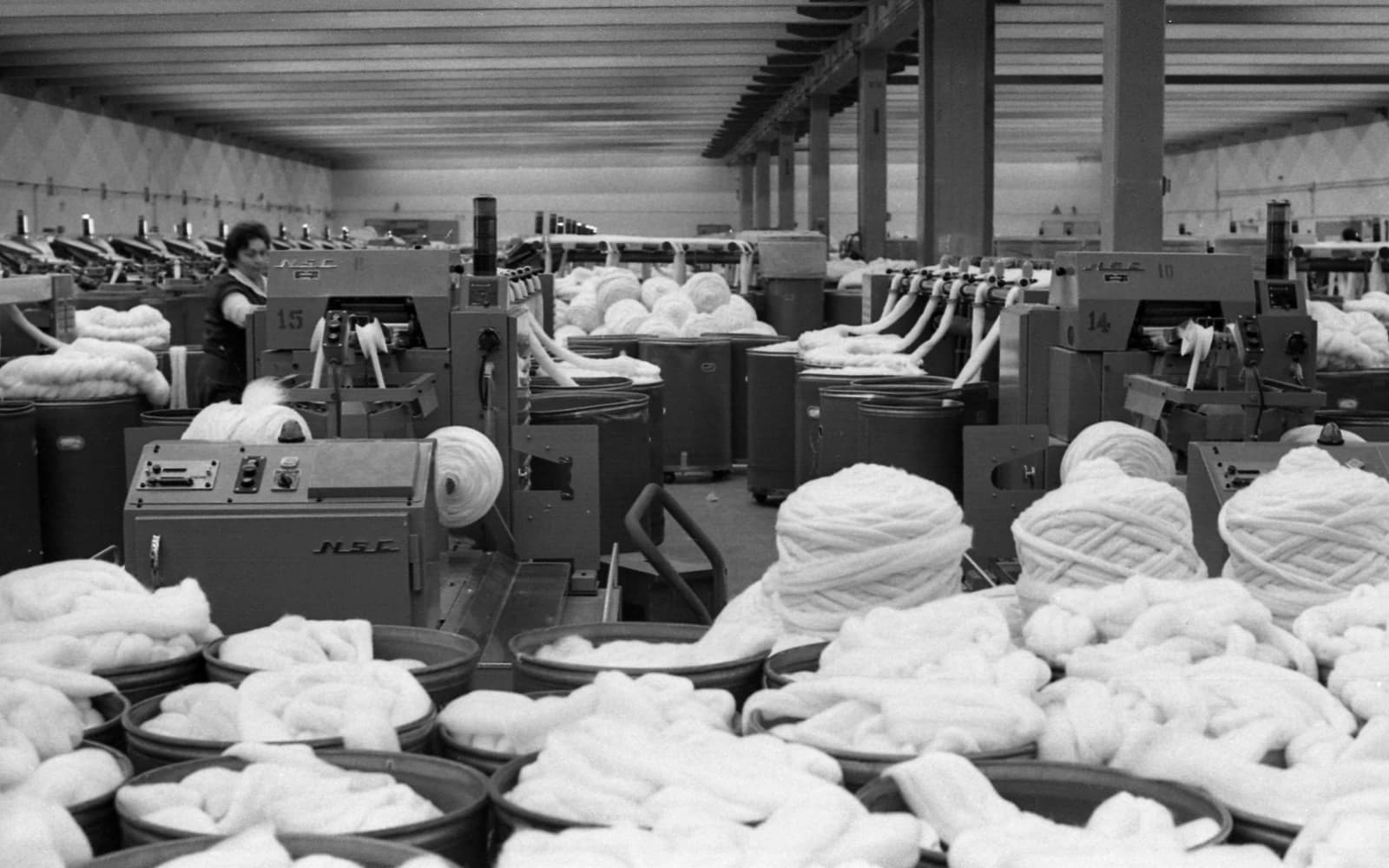
Textile mills led the 11 industries reporting growth in new orders and ranked fourth for production, while also being one of only two sectors that said supplier deliveries were faster in October. The sector also reported stronger inventories and higher prices, suggesting mills are seeing enough demand to keep lines moving, even as input costs remain volatile.
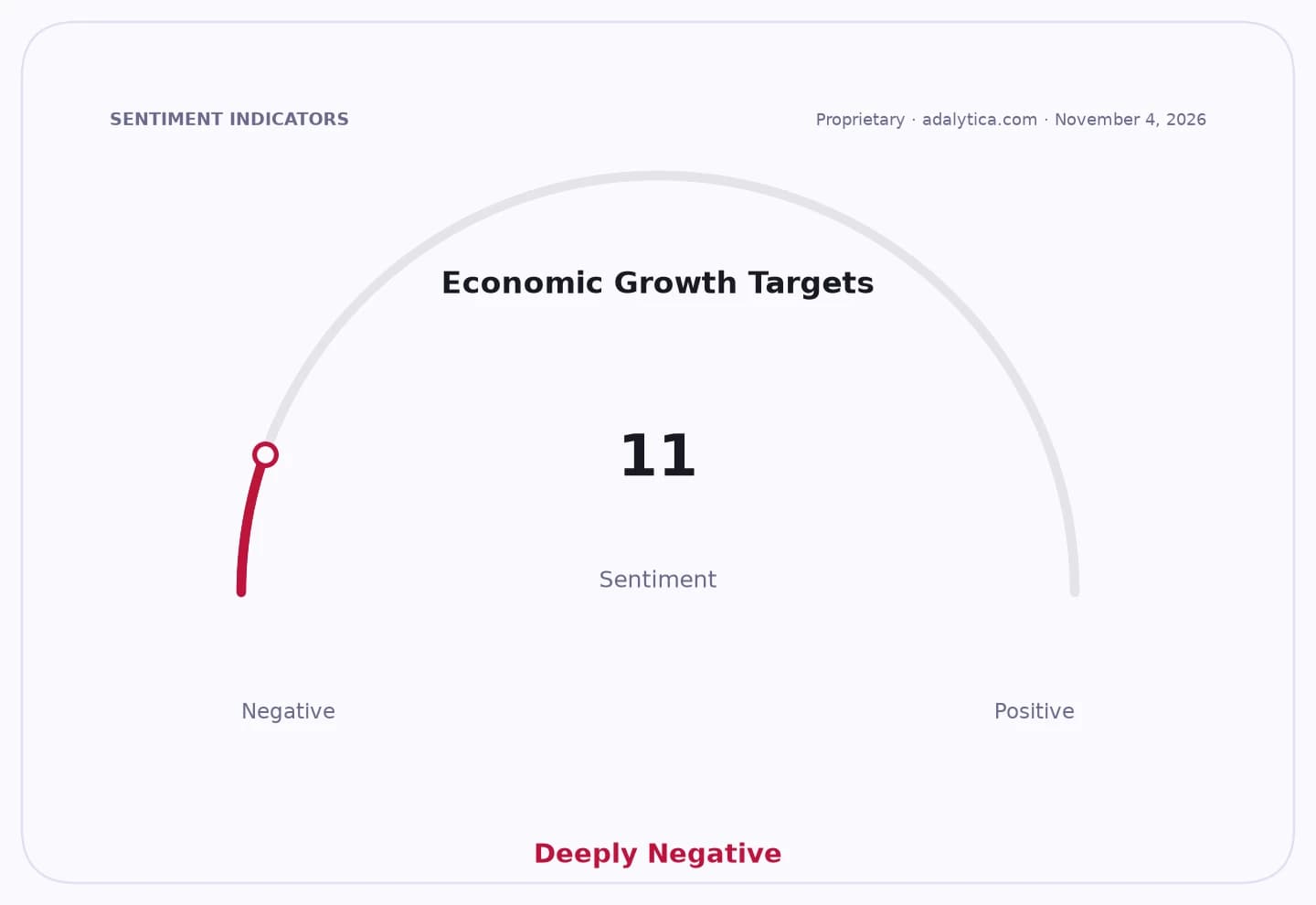
At the same time, the industry’s improvement came against a darker backdrop for manufacturers. ISM said sentiment worsened for a third month, with 66% of comments negative, as executives cited pricing volatility, longer lead times, tariffs and geopolitical uncertainty, including the Iran war. Employment growth slowed, and order backlogs eased, a sign that the rebound is not yet broad enough to dismiss the pressure on margins and hiring.
For investors, the data points to a mixed setup for textile-linked businesses and broader apparel supply chains. Companies with domestic production or stronger pricing power could benefit if orders keep firming, while import-dependent retailers and brands remain exposed to higher costs and uncertainty over trade policy. The rise in the prices index to 75.2, even after a monthly decline, underscores that inflationary pressure in manufacturing has not gone away.
That tension between solid activity and weak confidence is likely to remain the key market narrative. If new orders continue to outpace employment and backlog growth, the sector may be entering a phase of higher throughput but tighter margins. If tariff-related disruption deepens, the current improvement could prove more fragile than the headline PMI suggests.
| Entity | Gains | Losses |
|---|---|---|
| US textile mills | ▲Stronger orders and output | ▼Cost and tariff pressure |
| Domestic manufacturers | ▲Better demand momentum | ▼Margin squeeze from prices |
| Import-dependent retailers | ▲Lower none | ▼Higher sourcing costs |
| Labor market in factories | ▲Possible hiring demand | ▼Slower employment growth |