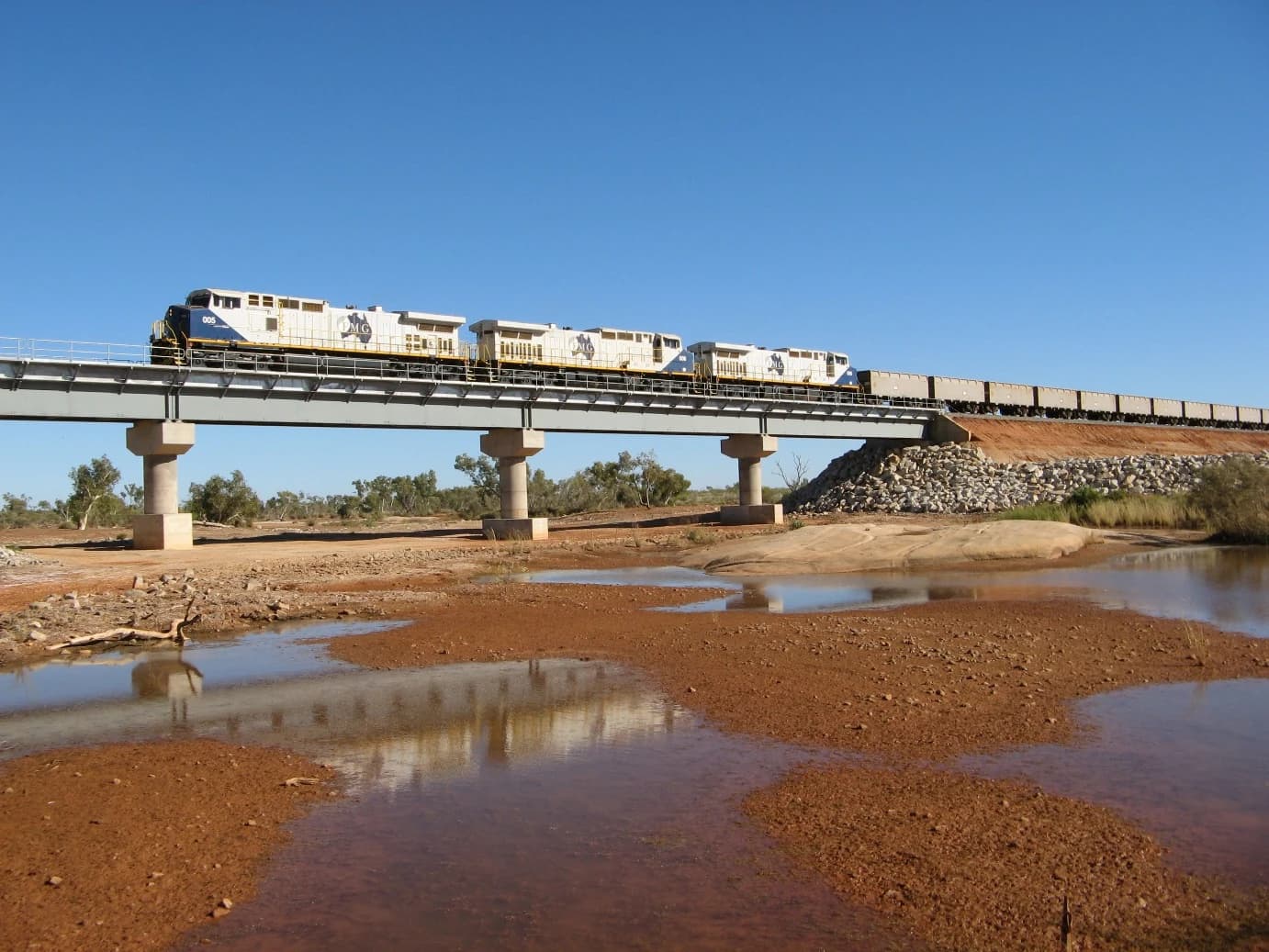
Iron ore prices are under renewed pressure as higher supply from miners meets sluggish demand from China, the market’s key buyer and the main margin driver for the seaborne trade.
Iron Ore Prices Fall as China Demand Weakens
Economic Growth Targets
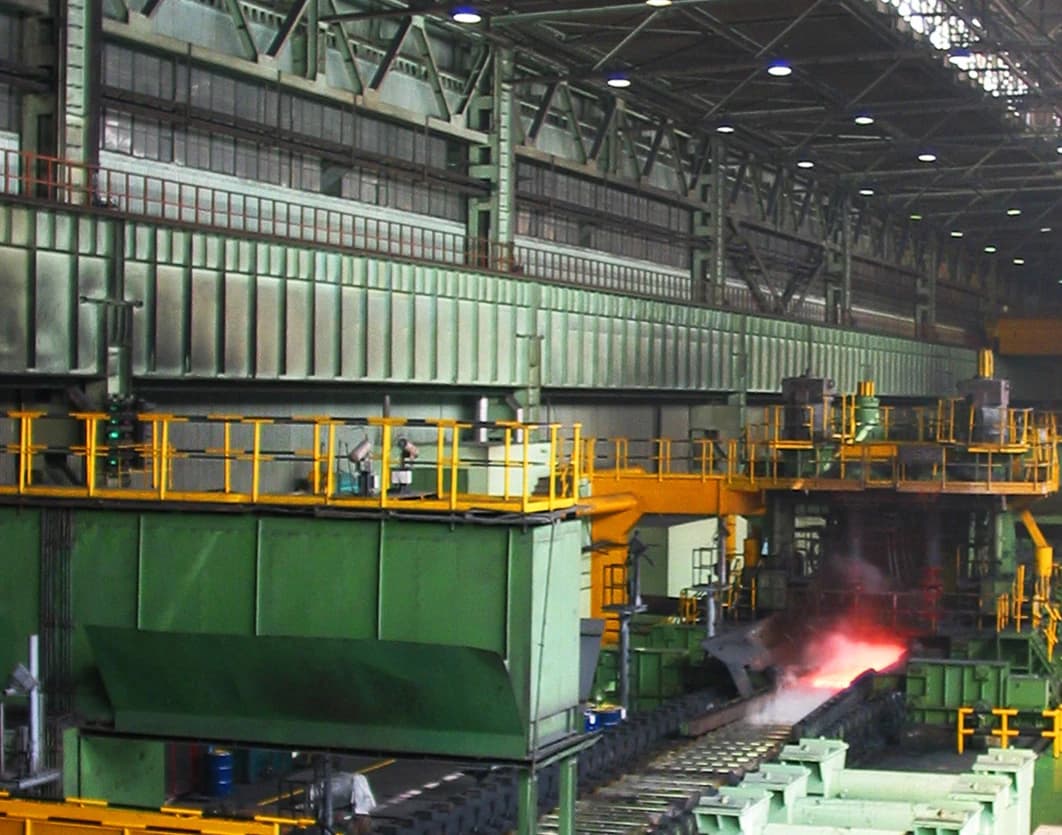
The weak tone matters because iron ore remains one of the most China-sensitive commodities, so even modest changes in steelmaking appetite or port inventory behavior can quickly reset pricing across the sector. The latest move underscores a familiar dynamic: when shipments accelerate while Chinese mills stay cautious, the market loses the support that usually comes from restocking and holiday-related buying.
Sentiment Indicators
Benchmark prices have been volatile but directional pressure has tilted lower as traders digest elevated exports from major producers and a softer pull from Chinese end users. Futures have also been choppy, with short-covering at times offsetting the broader drag from weak spot demand and a negative import margin in China, which points to poor economics for immediate cargo purchases. In practice, that discourages mills from aggressively bidding for imported ore unless steel margins improve.
The price action reverberates through the big miners. Rio Tinto, BHP and Vale all remain highly exposed to iron ore realizations, and their shares have reflected the commodity swing. Rio Tinto’s stock fell to $81.62 on Nov. 3 from $106.81 on Aug. 25, while BHP dropped to $78.13 from $96.58 over the same stretch and Vale slid to $10.98 from $15.73. Technical indicators on all three names point to deteriorating momentum, with each trading below its 50-day average and with RSI readings deep in oversold territory, suggesting investors are already pricing in a weaker near-term earnings backdrop.
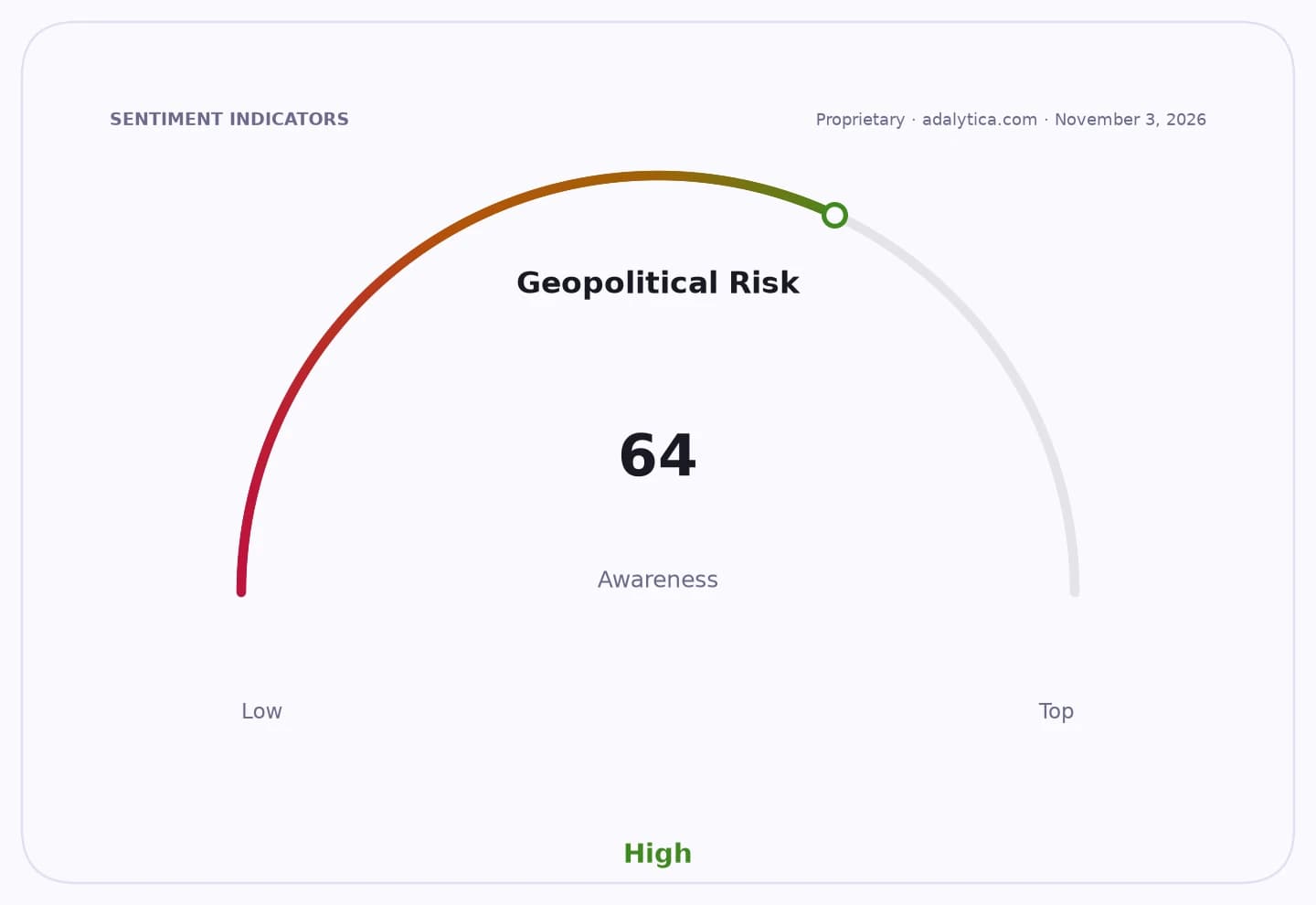
The macro signal is broader than miners alone. China’s growth outlook remains fragile, and Adalytica’s China Economic Growth Target Sentiment gauge shows “Extreme Fear” at 11, after a sharp deterioration over the past month. That aligns with the commodity backdrop: if industrial activity and construction demand fail to rebound, iron ore can struggle to hold gains even when miners trim supply or weather temporarily disrupts shipments.
There is still a bull case. Any meaningful replenishment of Chinese steel inventories, policy-driven stimulus, or output curbs at steel mills could tighten the physical market and lift spot premiums. But the bear case remains stronger for now: shipments are high, demand is weak, and import margins are negative. That leaves iron ore vulnerable to more downside unless China’s industrial cycle turns decisively higher.
| Entity | Gains | Losses |
|---|---|---|
| Steel mills in China | ▲Lower raw material costs | ▼Weak demand outlook |
| Iron ore miners | ▲Potential restocking rally | ▼Softer realizations |
| Chinese importers | ▲Cheaper replacement costs | ▼Poor import margins |
| Long iron ore positions | ▲Short-covering rebounds | ▼Supply overhang |