Phu Tho is stepping up efforts to remove infrastructure, procedural and financing bottlenecks for businesses as the northern province tries to preserve production momentum in the final stretch of the year, even after industrial output eased in October.
Phu Tho steps up efforts to remove business bottlenecks
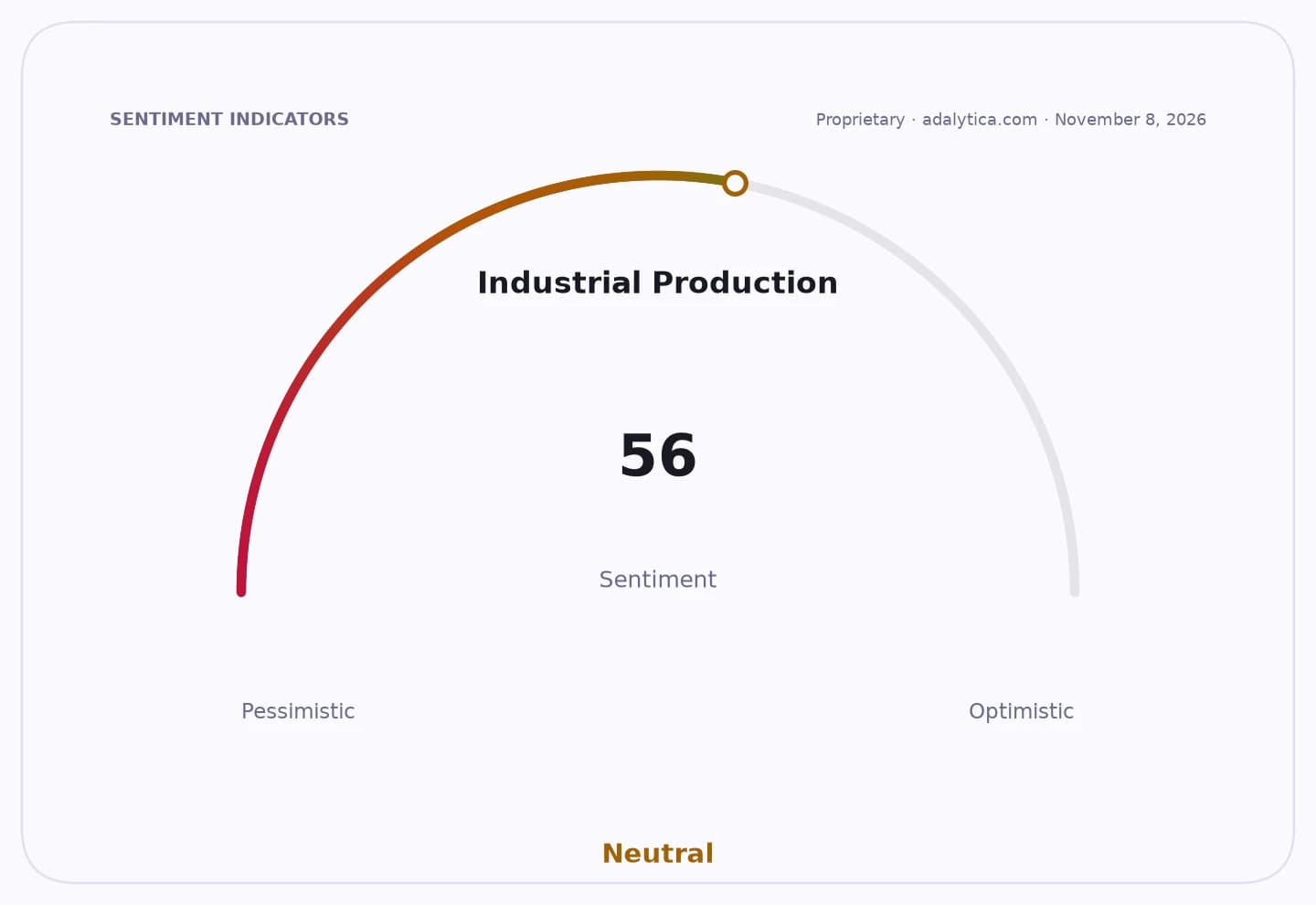
The policy push matters because Phu Tho’s economy is still expanding quickly, but the monthly slowdown shows how vulnerable that growth remains to supply-chain friction, logistics costs and weaker overseas demand. Provincial statistics released Nov. 3 showed industrial production in the first 10 months rose 18.93% from a year earlier, with manufacturing up 19.93%, but the industrial production index fell 4.21% in October from September, even as it still increased 4.22% year on year.
That gap between strong year-to-date growth and a softer monthly reading is what is driving the provincial response. Authorities are trying to convert administrative action into immediate output by assigning deadlines, responsible agencies and specific deliverables for each bottleneck. The focus is on issues that can be turned quickly into shipments, revenue and operating continuity: power supply, customs and tax procedures, industrial park infrastructure, land clearance and project execution.
For investors and manufacturers, that matters because the last two months of the year often determine whether factories meet export schedules and whether local authorities can sustain investment momentum into 2027. Phu Tho is not just aiming to support existing plants; it is trying to protect the province’s growth base by preventing delays that can ripple through order books, labor use and cash flow.
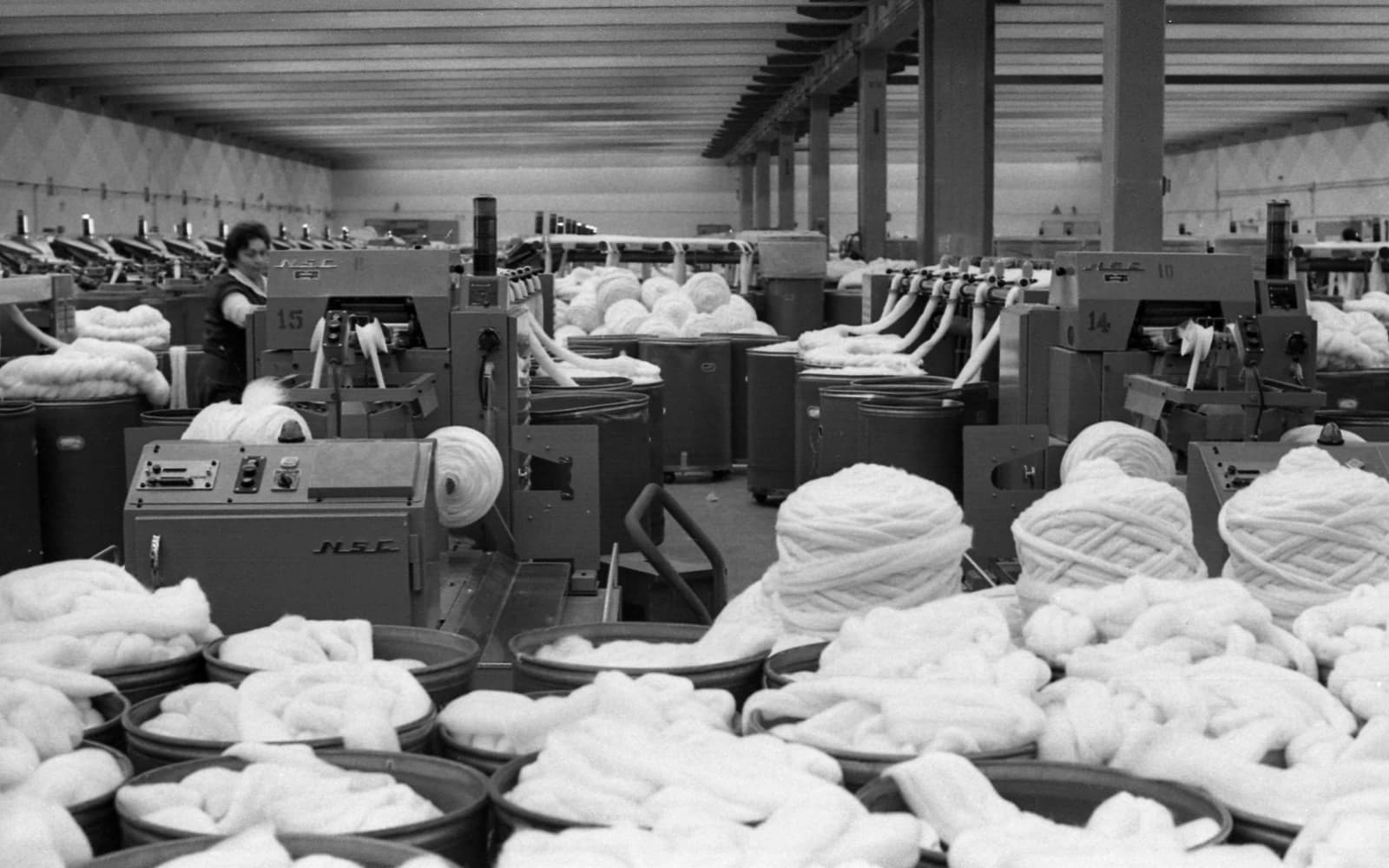
Domestic demand is also part of the cushion. Retail sales and consumer services in the first 10 months were estimated at 144.86 trillion dong, up 17.2%, giving the province another lever to offset softer external conditions. But the main story remains industrial: manufacturing still drives the province’s growth profile, and any disruption in electricity supply or logistics would quickly show up in output and delivery times.
That is why the provincial government is pressing utilities and tax officials alongside investment agencies. Phu Tho Power is targeting completion of 55 grid projects in the fourth quarter of 2026 and is working on key 110-kV transmission projects to reduce overloads, voltage drops and supply risk at peak hours. On the fiscal side, the tax department is tightening processing deadlines, with overdue files requiring formal apologies and accountability reviews, while also stepping up debt collection and electronic tax services.
The broader narrative is that Phu Tho is trying to turn administrative discipline into a growth tool. The province wants 2026 GRDP growth of 11%, and its longer-term plan calls for average growth of 11% to 12% a year in 2026-2030. Reaching that target will depend less on broad slogans than on whether authorities can keep power flowing, land handovers moving and permits clearing on time.
For businesses, the near-term upside is a more responsive provincial administration and fewer delays to production. The risk is that weak external demand, higher input costs and logistics pressures continue to weigh on factories even if local bottlenecks are eased. The next test will be whether the province’s fourth-quarter push translates into measurable industrial output, not just better coordination on paper.
| Entity | Gains | Losses |
|---|---|---|
| Phu Tho authorities | ▲Faster growth traction | ▼Pressure to deliver targets |
| Manufacturers in Phu Tho | ▲Fewer bottlenecks | ▼Ongoing cost and demand pressure |
| Utility and tax agencies | ▲Clearer mandates | ▼Higher accountability burden |
| Export-dependent firms | ▲Better operating continuity | ▼Weak overseas orders |