China has extended for two more months its suspension of countermeasures against five U.S.-linked subsidiaries of South Korea’s Hanwha Ocean, a small but telling sign that Beijing and Washington are still trying to keep their trade dispute from spilling into broader industrial and financial damage.
China extends pause on Hanwha Ocean countermeasures
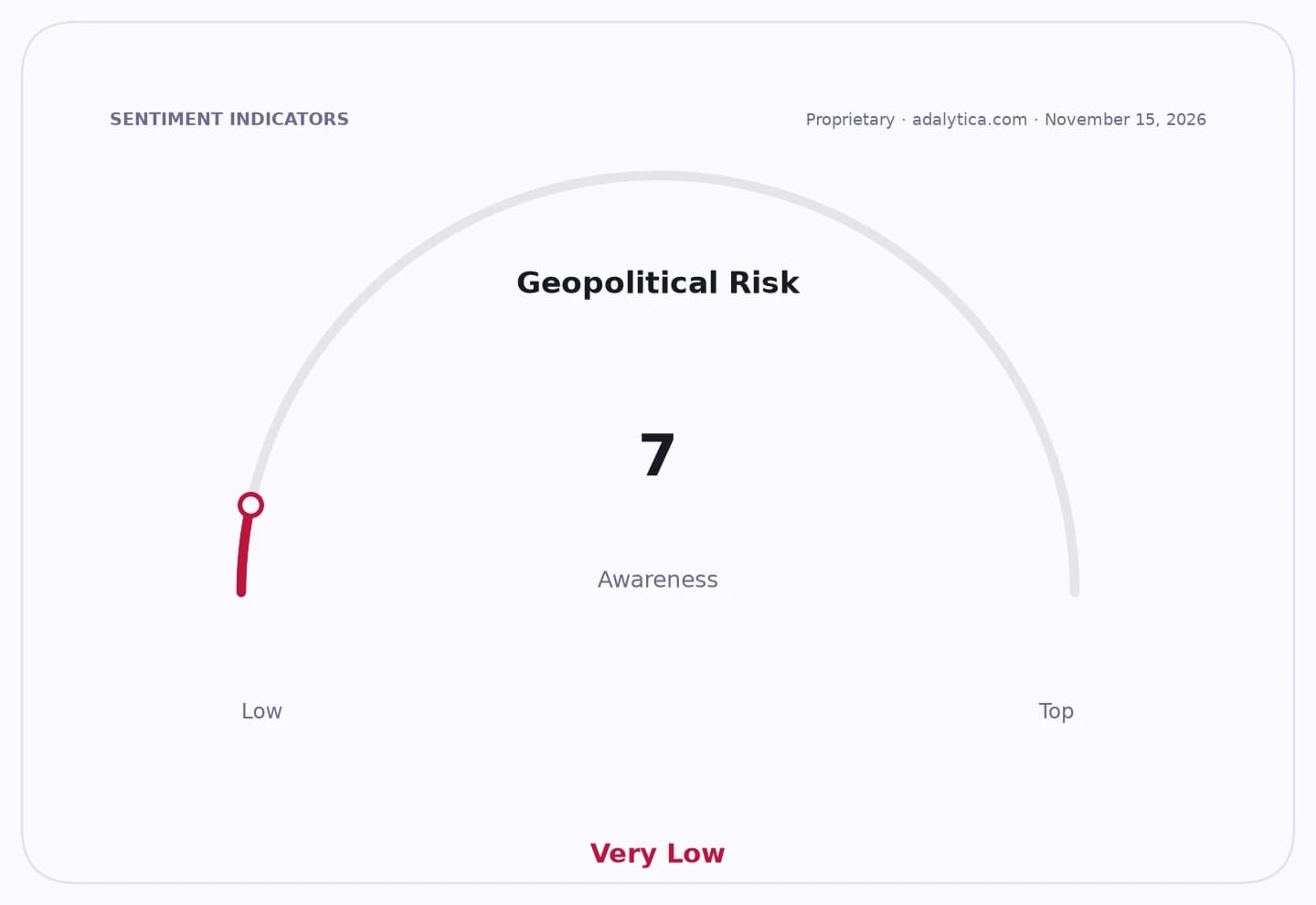
Geopolitical Risk
That matters because shipbuilding, defense supply chains and cross-border industrial investment sit near the fault line of the China-U.S. rivalry. Even when the move affects only a handful of subsidiaries, it signals that both sides still see value in temporary de-escalation rather than retaliation that could unsettle markets, complicate procurement and deepen pressure on already fragile global trade sentiment.
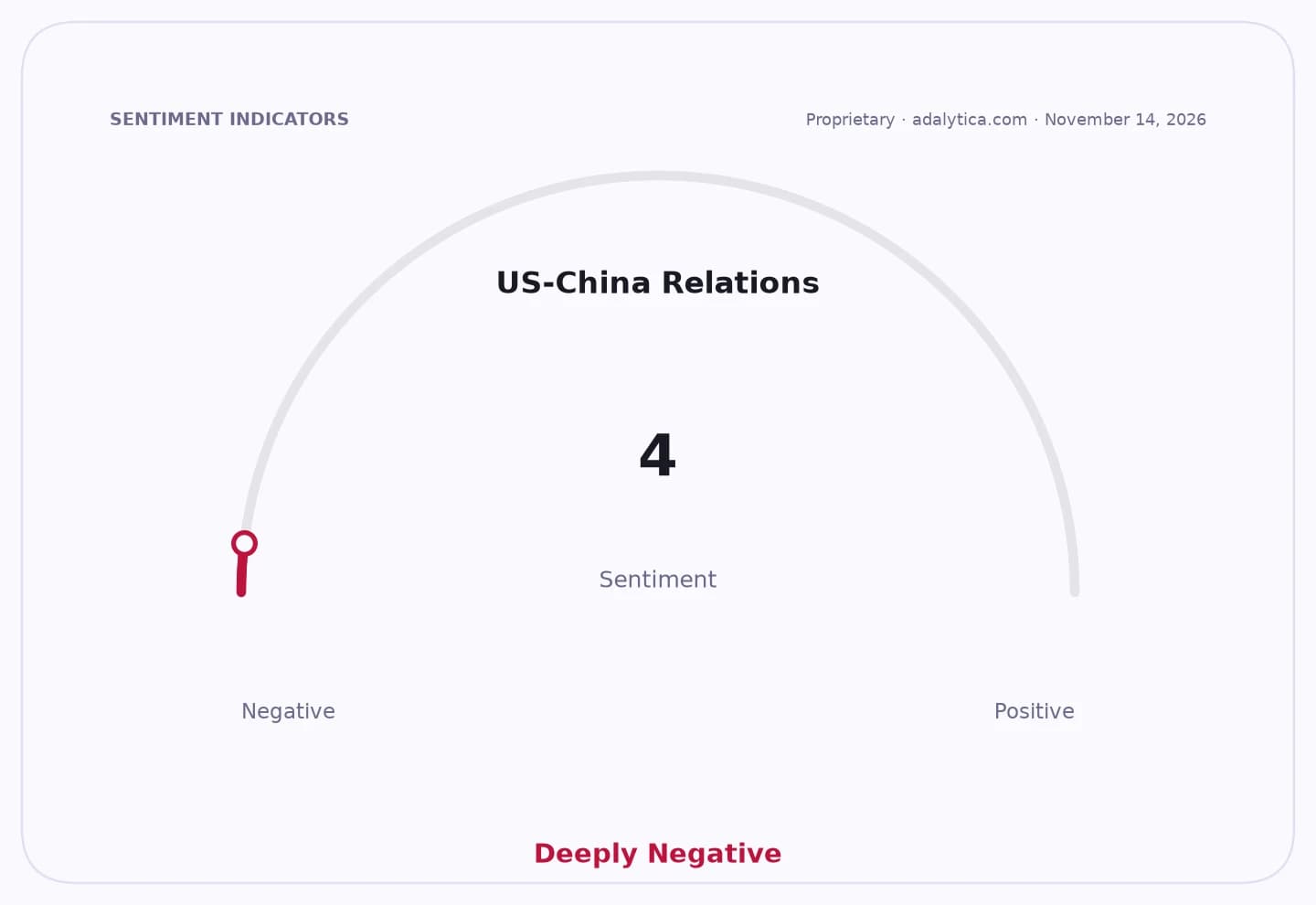
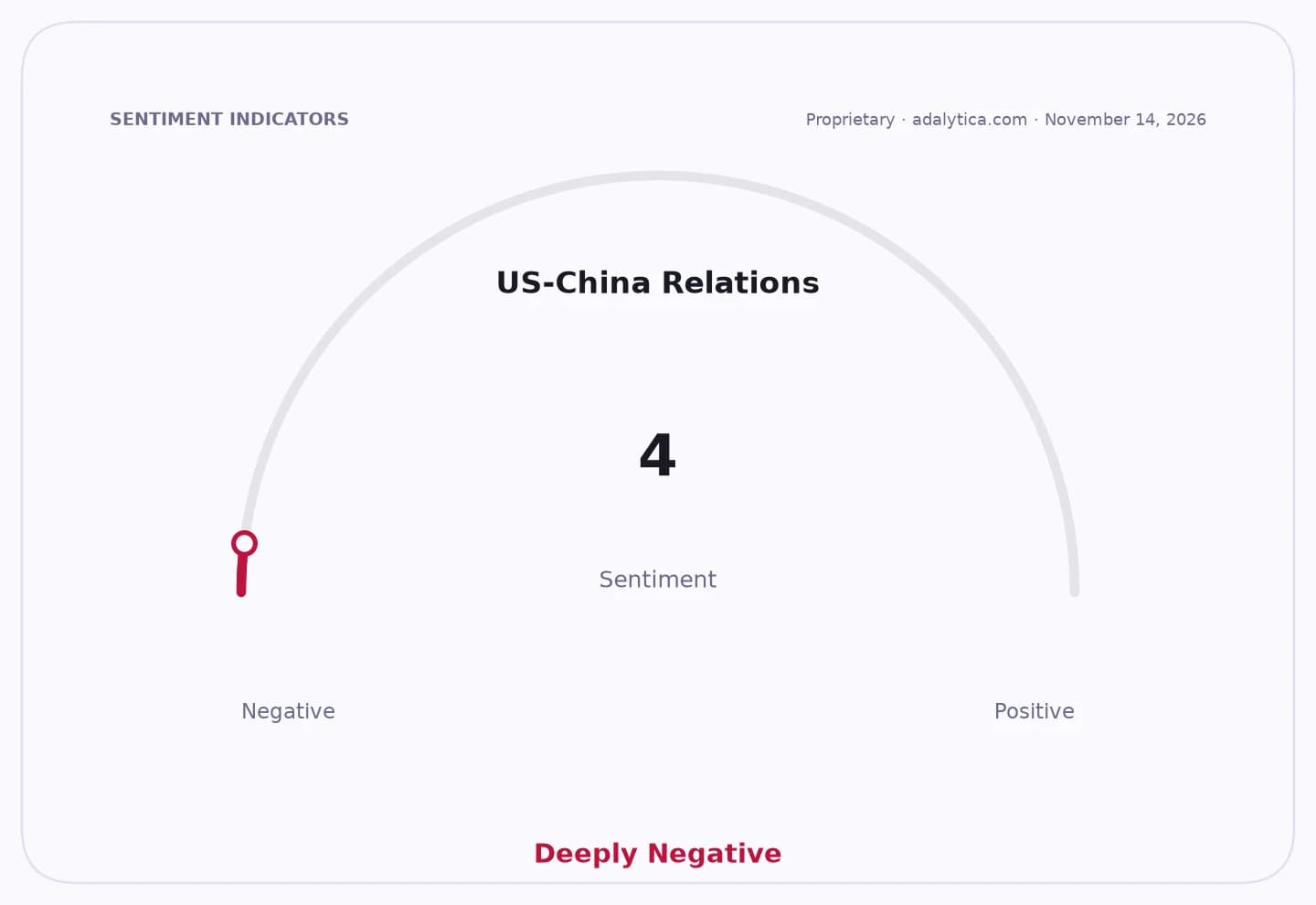
Sentiment Indicators
China’s commerce ministry said Monday the suspension will continue for another two months starting Tuesday, after the original countermeasures were first introduced on Oct. 14 and then suspended for a year beginning Nov. 10. The five units named by Beijing are Hanwha Shipping LLC, Hanwha Philly Shipyard Inc., Hanwha Ocean USA International LLC, Hanwha Shipping Holdings LLC and HS USA Holdings Corp.
For investors, the immediate market impact is limited, but the signal is important. Hanwha Ocean is one of South Korea’s best-known shipbuilders, and its U.S.-linked operations matter to a world in which governments want more resilient maritime and industrial capacity. A pause in sanctions-like measures reduces headline risk for the company and for the broader Korean industrial complex, while also reinforcing the view that trade frictions between China and the U.S. are being managed, not resolved.
That distinction is crucial for long-term investors. Managed tension can still create opportunity, especially in sectors tied to energy transport, defense, shipbuilding and infrastructure, but it also means volatility can return quickly if talks sour. The latest extension comes as Beijing and Washington continue consultations aimed at preserving a trade truce, suggesting neither side wants to upset the delicate balance ahead of further political engagement.
For now, the message is that the world’s two biggest economies are still choosing restraint. That should not be mistaken for peace, but it does lower the odds of a fresh escalation that would hit exporters, industrial suppliers and globally exposed stocks. Investors should keep Hanwha Ocean and the wider Korea-linked industrial chain on the watchlist, not because this single move changes the earnings picture overnight, but because it fits a larger pattern of cautious thawing that could support trade-sensitive names over time.
| Entity | Gains | Losses |
|---|---|---|
| Hanwha Ocean subsidiaries | ▲Lower trade risk | ▼Less pressure from China |
| China and U.S. negotiators | ▲More room for talks | ▼Less leverage from escalation |
| Korean exporters | ▲Better sentiment | ▼Still face policy uncertainty |
| Short-term traders | ▲Fewer shock headlines | ▼Less volatility to exploit |