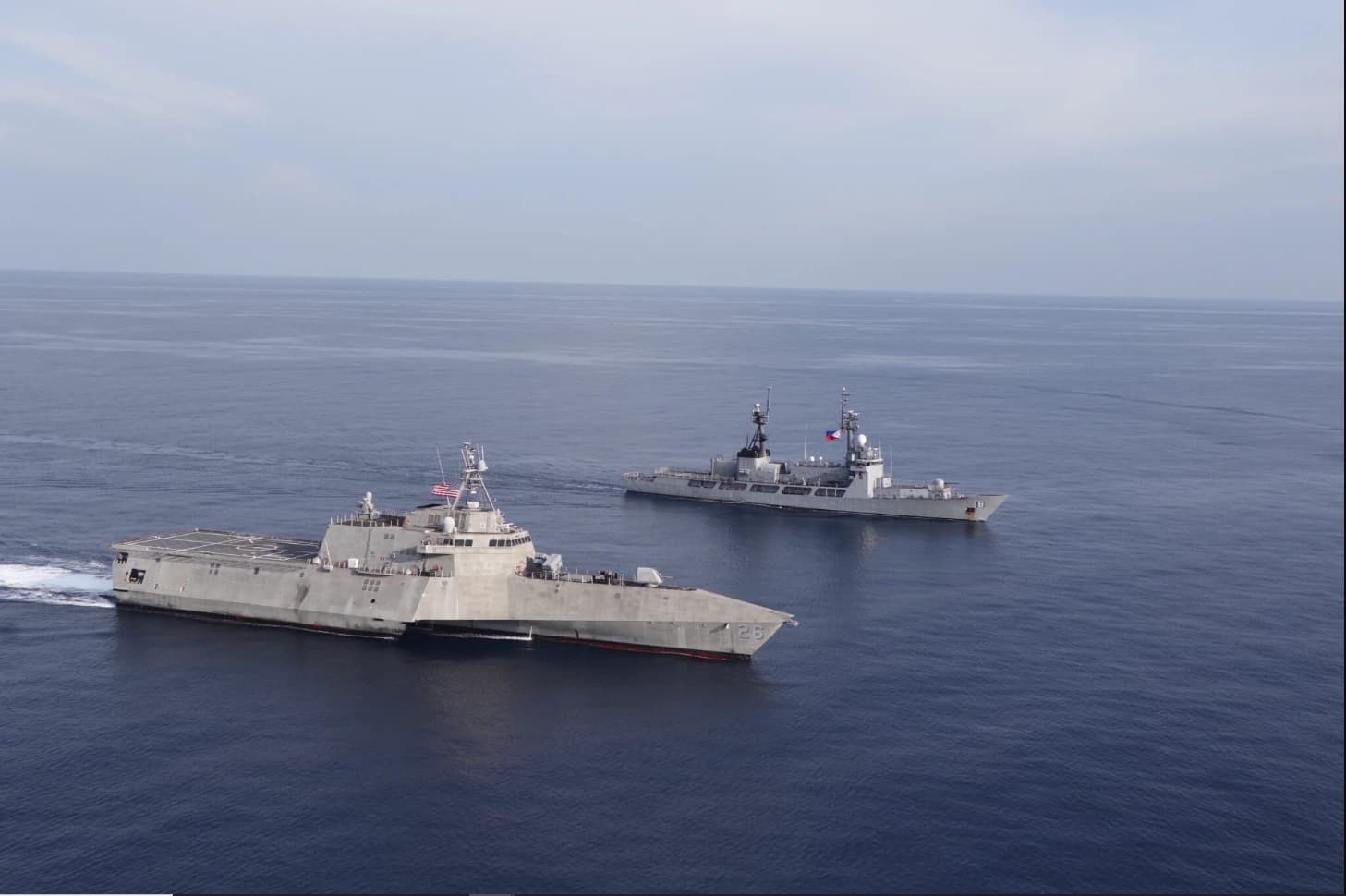
China’s navy has surpassed the US fleet in ship count, and its fast-growing presence across the Indian Ocean, South China Sea and western Pacific is forcing Washington to rethink how it would deter or fight a regional conflict.
China Navy Surpasses US Fleet in Ship Count
US-China Relations
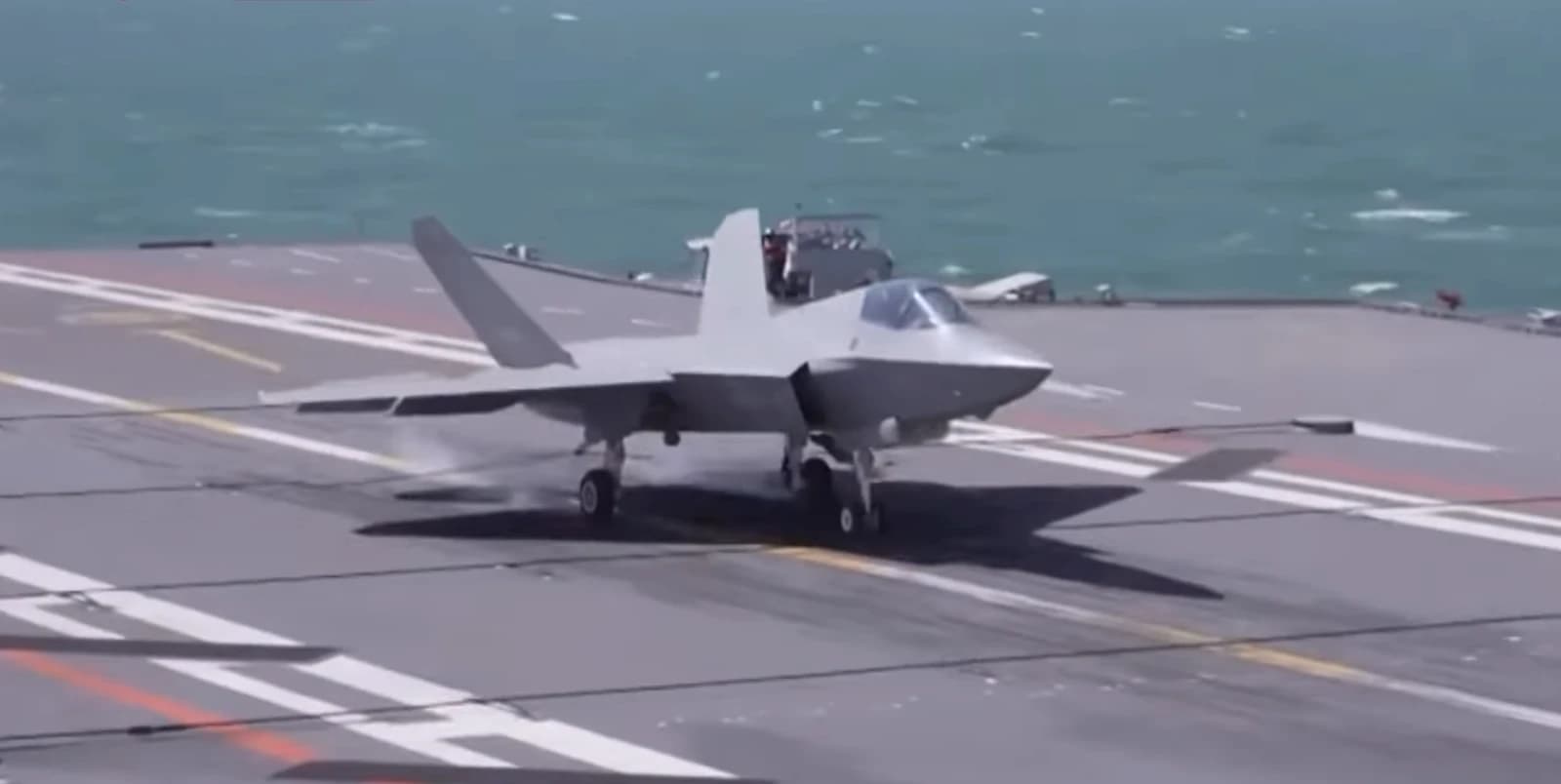
That shift matters because naval power is no longer a theoretical measure of ambition; it is increasingly a day-to-day instrument of coercion, trade-route control and crisis management. With more than 400 warships and submarines, according to US government figures reviewed by The Wall Street Journal, China now fields about 35% more vessels than the US. Beijing is also running three aircraft carriers and building a fourth, with Western experts saying the next could be nuclear-powered.
Sentiment Indicators
US-China Relations
The numbers do not mean China has overtaken the US in overall maritime combat power, which still depends on carrier aviation, undersea capability, logistics and combat experience. But they do show a structural change in the Indo-Pacific: China can now sustain a far broader patrol footprint than a decade ago. Security officials estimate about 100 Chinese warships or naval vessels are patrolling daily across some of Asia’s busiest commercial routes, from the South China Sea to waters near Japan and Taiwan.
That presence is the real economic and strategic story. China is not just expanding for prestige. It is building the ability to monitor, intimidate and, if needed, block access around its coastline and disputed waters. In the South China Sea, where Beijing disputes claims with the Philippines and Vietnam, Chinese warship presence is said to be roughly three times higher. Near Taiwan, around six Chinese warships are usually in surrounding waters at any given time, with the number rising during exercises. The pattern is designed to normalize Chinese control while making any US intervention more difficult and costly.
For investors, the implications are broader than defense names alone. A larger Chinese fleet raises the odds of sustained tension in shipping lanes that carry energy, commodities and manufactured goods through the Indian Ocean and the western Pacific. That helps explain why oil-linked assets can react sharply to regional flashpoints. USO, the United States Oil Fund, has swung violently this year, and while its move reflects a mix of factors, geopolitics remains one of the key risk premiums embedded in crude. By contrast, the dollar’s recent weakness and SPY’s drift below its 50-day moving average suggest markets are treating China-US strategic competition as a medium-term risk rather than an immediate panic event.
The policy response in Washington is likely to be gradual rather than dramatic. The US still retains advantages in alliances, submarines, carrier operations and global basing. But China’s shipbuilding tempo is compressing the timeline for American planners, especially if they are trying to preserve freedom of navigation around Taiwan, the Philippines and the Indian Ocean choke points. The more Beijing can saturate those waters with routine patrols, the more any future crisis becomes a test of endurance as much as firepower.
For now, the clearest takeaway is that the naval balance in Asia is shifting toward a prolonged contest of presence. That benefits Chinese coercive leverage and complicates US deterrence; it also keeps defense spending, alliance coordination and shipping-risk premiums firmly on investors’ radar.
| Entity | Gains | Losses |
|---|---|---|
| China | ▲Regional leverage | ▼Diplomatic trust |
| US Navy | ▲Higher urgency for modernization | ▼Relative fleet count |
| Asian shipping routes | ▲More security focus | ▼Higher disruption risk |
| Energy markets | ▲Geopolitical risk premium | ▼Price stability |