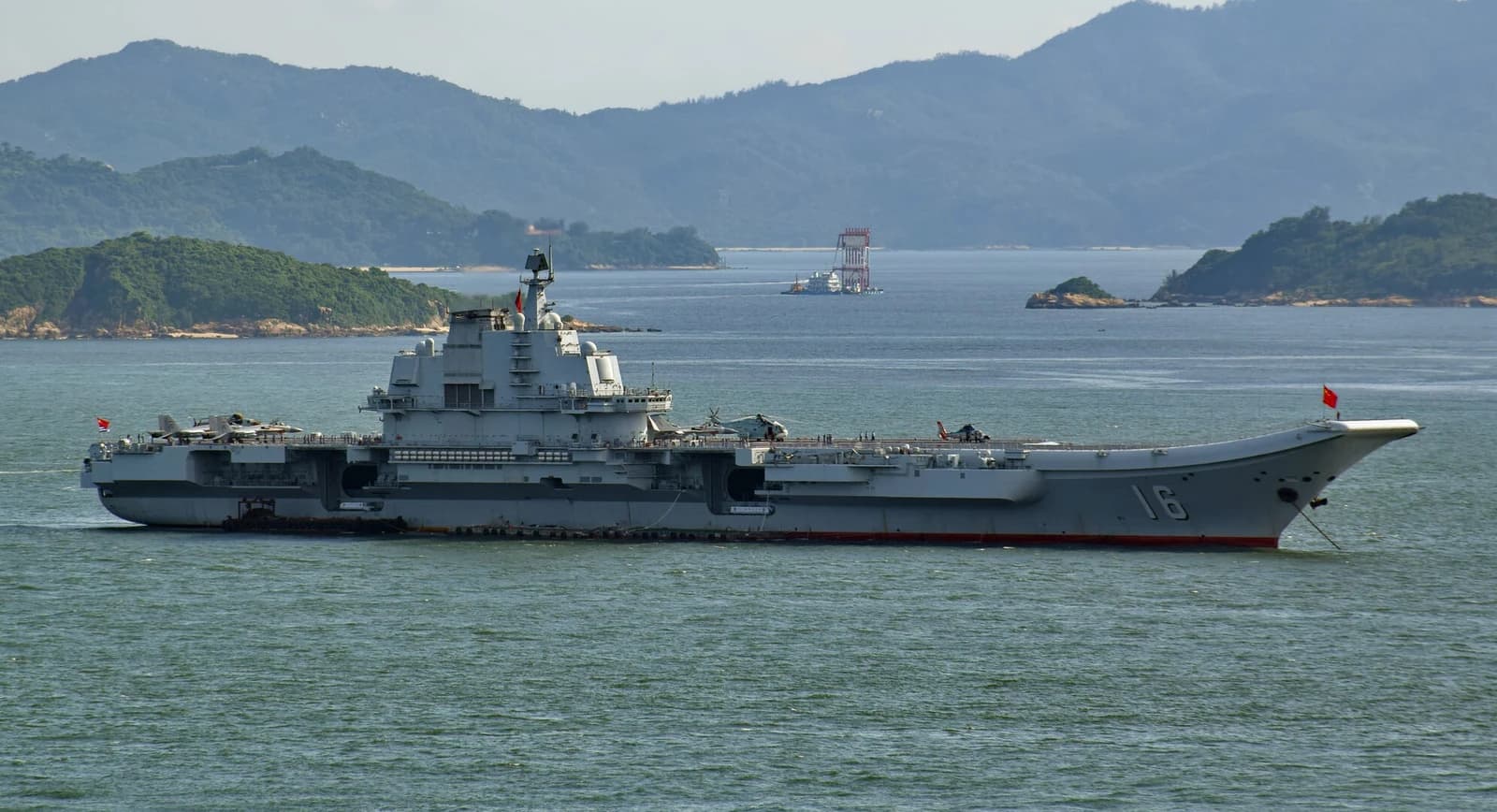
China’s expanding naval and air reach is making any future effort to choke off its seaborne trade and energy supply more costly for the United States and its allies, after the Liaoning carrier group made another transit beyond the First Island Chain in the western Pacific.
China carrier transit raises Indo-Pacific shipping risk
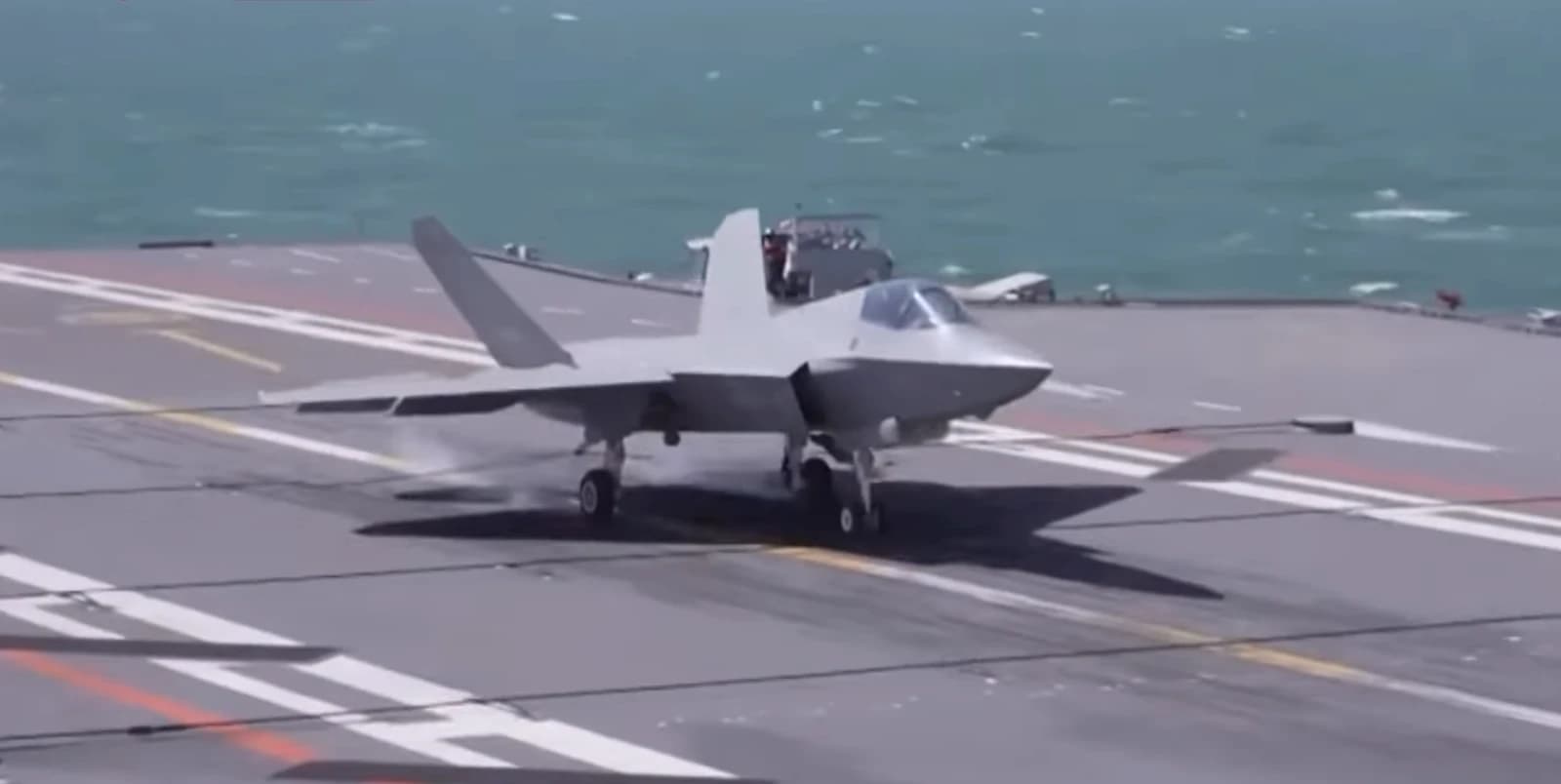
The carrier strike group crossed the Basilan Strait toward the Celebes Sea in October, its second reported passage since December 2025, and also moved through the Luzon Strait. A CSIS review of Japanese observations found Liaoning and Shandong spent a combined 58 days beyond the First Island Chain in 2025, up from 32 days in 2024, underscoring how often Beijing is now operating farther from home waters.
Sentiment Indicators
US-China Relations
That matters because the so-called Malacca dilemma cuts both ways. For years, the vulnerability of China’s energy imports through the Strait of Malacca was viewed as a lever for any blockade coalition. But the more often the People’s Liberation Army can project power south and east of Taiwan, the more ships, aircraft and surveillance assets Washington and its partners would need to protect their own forces, exposed shipping and support routes in any interdiction campaign.
The Philippines illustrated the burden. USNI News said the BRP Sarangani shadowed Liaoning, while the BRP Diego Silang and BRP Emilio Jacinto also monitored the group. But public reporting still left a gap of about a week between Japanese and Philippine tracking records, and even if local forces maintained contact privately, the record does not show continuous public surveillance of the formation.
That creates a resource problem for any coalition. If Philippine coverage is incomplete, additional U.S. or allied surveillance assets would have to be pulled in, narrowing what remains for other missions. China does not need to stop every patrol to raise the cost of enforcement; it only needs to force the coalition to spread thinner across a wider theater.
The pressure point extends beyond reconnaissance. Selective interdiction would require screening cargo documents, counterparties and ownership structures, while transshipment through intermediate hubs could complicate enforcement. At the same time, shipowners and insurers could retreat before any interception, making the coalition’s promise to spare legitimate regional trade harder to credibly maintain.
That challenge lands on a U.S. Navy already under strain. A 2025 Government Accountability Office review cited spare-part shortages, maintenance backlogs and manpower gaps, while an August 2026 report said delays and idle time cost active attack submarines more than 15,000 operational days in fiscal 2016-2025. The July 2026 engineering failure of USS Benfold, which needed a tow to Subic Bay, showed how quickly a single breakdown can ripple through escort and surveillance plans.
Allies would not be easy substitutes. Japan and South Korea remain heavily exposed to crude passing through Malacca, while Singapore has already ruled out helping close, interdict or toll the straits in its neighborhood. Without broad regional backing, a blockade force would face longer supply lines and a tougher political case for keeping trade lanes open for neutral states.
China is not invulnerable. Its distant operations would still face logistics, air-defense and antisubmarine constraints under attack, and a peacetime transit does not prove it could sustain forces under fire. But the Liaoning deployment shows the geographic breadth Beijing can now bring to bear in any maritime standoff, and that is enough to raise the price of coercion.
For investors, the story is less about any single sortie than about a more durable premium on Asian shipping security, defense spending and higher operating risk across the Indo-Pacific. The next flashpoint is whether China keeps normalizing carrier activity beyond the First Island Chain and whether Washington and its partners can prove they can surveil and deter it without overextending themselves.
| Entity | Gains | Losses |
|---|---|---|
| China / PLA Navy | ▲Wider deterrence options | ▼Less leverage from Malacca vulnerability |
| U.S. and allies | ▲Stronger case for defense spending | ▼Higher surveillance and escort burden |
| Regional shippers / insurers | ▲Potentially tighter security demand | ▼Greater disruption and compliance risk |
| Japan / South Korea | ▲More pressure for maritime planning | ▼Exposure to Malacca-linked supply risk |