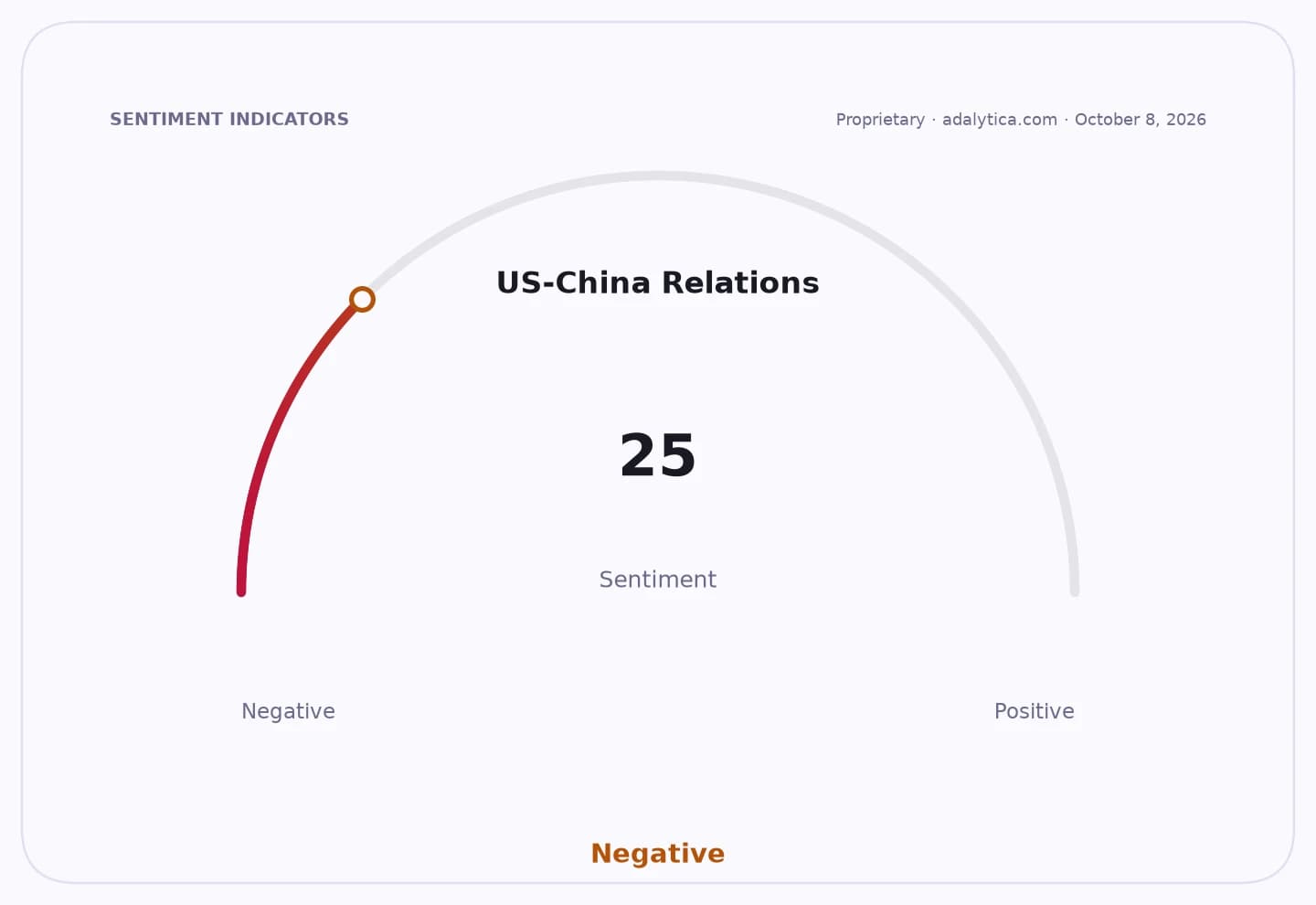
Japan’s newest diplomatic blowup with China is already moving from rhetoric to real economic pain, and investors should treat it as more than a headline risk.
Japan-China Tensions Hit Tourism and Risk Assets
Prime Minister Sanae Takaichi’s assertion that Japan could intervene militarily if China attacks Taiwan has triggered an immediate Chinese backlash, including a travel warning for citizens visiting Japan, sharper military activity near disputed waters and renewed talk of diplomatic retaliation. The fastest market impact is hitting Japanese tourism, where analysts say losses could exceed 2 trillion yen if Beijing’s warning curbs travel flows.
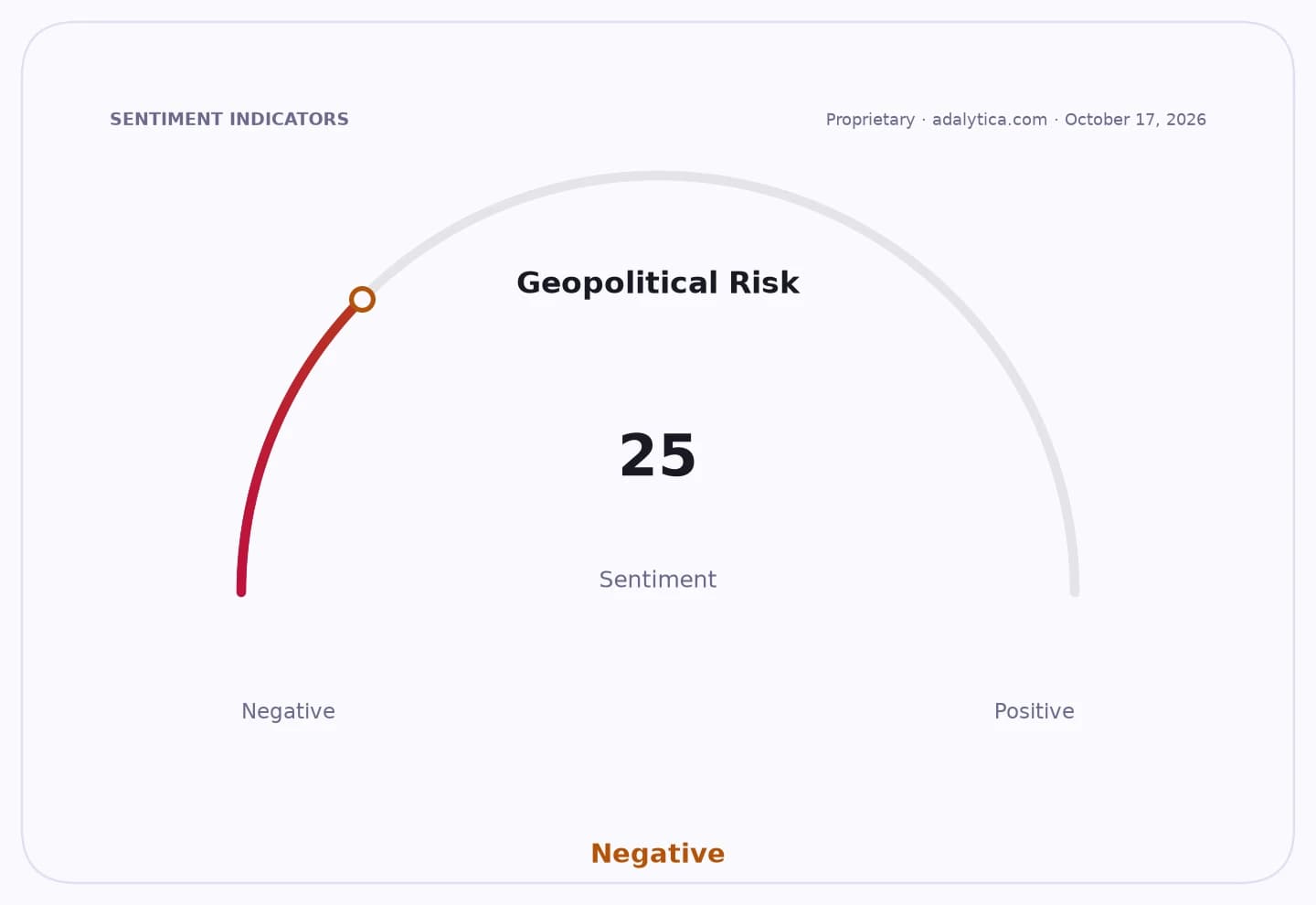
Sentiment Indicators
That matters because tourism has been one of Japan’s clearest post-pandemic growth engines. A pullback in Chinese visitors would hit airlines, retailers, hotels, duty-free operators and regional economies that had been leaning on inbound spending. It also raises the risk that a political dispute becomes a broader consumer and supply-chain shock, especially if Beijing escalates beyond travel restrictions and into trade or administrative pressure.
The market has already started to price in that risk. Japan tourism shares sold off after the warning, while the tension adds another layer of uncertainty for Japanese assets more broadly. The iShares MSCI Japan ETF, EWJ, has fallen sharply from its late-September highs, while the yen proxy FXY has also softened, a reminder that geopolitical stress can quickly bleed into currency and equity positioning. For China-focused investors, the more relevant signal is not just the diplomatic exchange but the prospect of a longer and more expensive standoff between Asia’s two biggest economies.
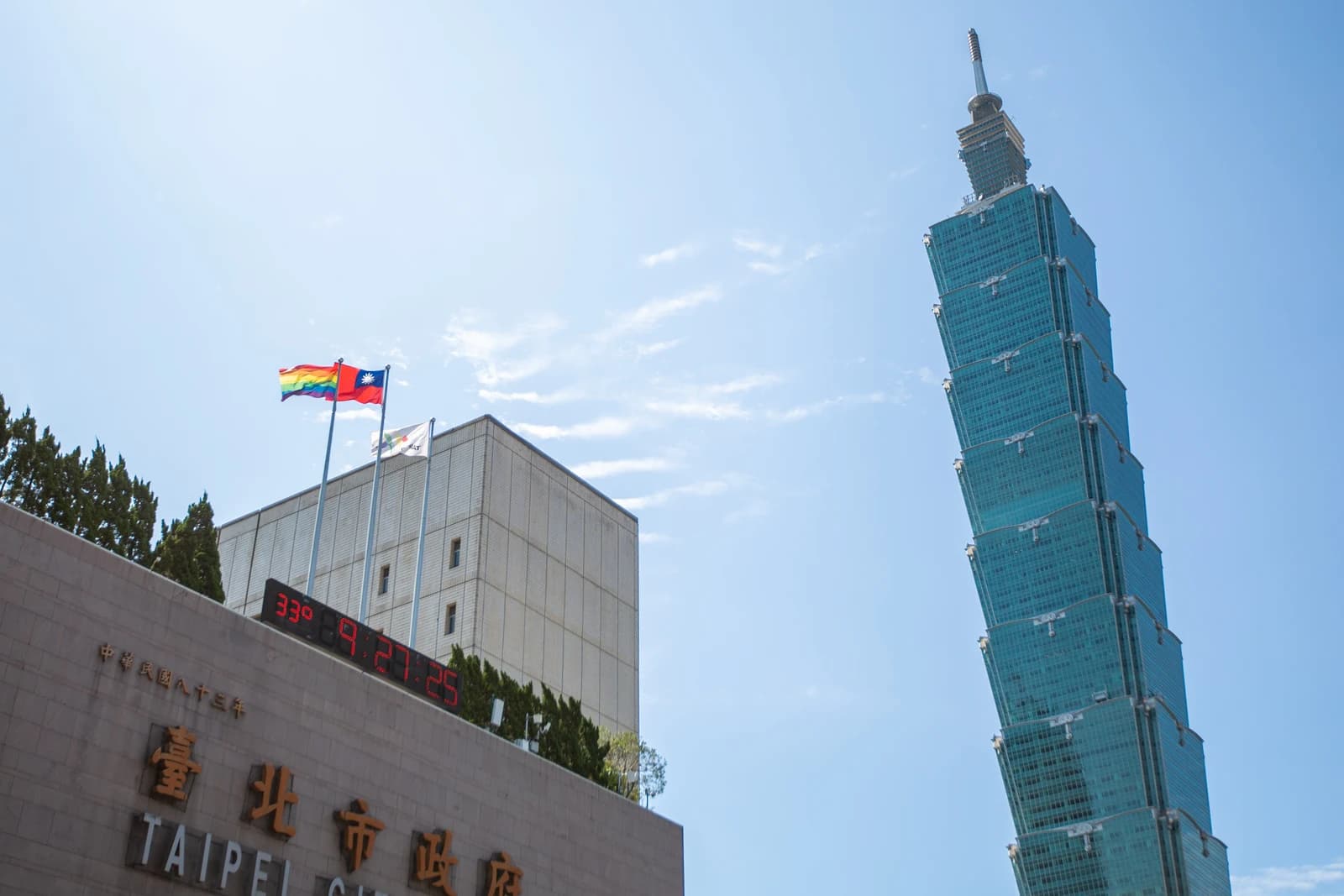
The core issue is Taiwan. Beijing considers the island a breakaway province, while Japan sees any conflict nearby as a direct national security threat because of the proximity of the Senkaku Islands and the importance of regional sea lanes. That makes Takaichi’s comments more than a verbal slip: they define Japan’s willingness to link Taiwan security to its own defense doctrine, which Beijing will view as a red line.
A Japanese delegation is expected to head to Beijing in the coming days, and that is the near-term catalyst investors should watch. If talks stabilize the dispute, tourism and broader risk assets could recover quickly. If not, this could develop into a prolonged pressure campaign with clearer losers in travel, discretionary retail and China-exposed Japanese companies, and potential winners in domestic defense, security and supply-chain diversification themes.
My view: the market underestimates how quickly geopolitical brinkmanship can translate into earnings downgrades. For now, the asymmetric trade is to favor companies and funds tied to Japan’s strategic reorientation, while treating tourism and China-dependent consumer names as vulnerable until the rhetoric cools.
| Entity | Gains | Losses |
|---|---|---|
| Japanese defense and security firms | ▲Higher policy urgency | ▼None from tensions |
| Japan tourism stocks | ▲Stabilization if talks succeed | ▼Chinese travel warning |
| China’s leverage tools | ▲Diplomatic pressure | ▼Risk of backlash |
| Japanese exporters to China | ▲Better if tensions ease | ▼Trade and demand shock |