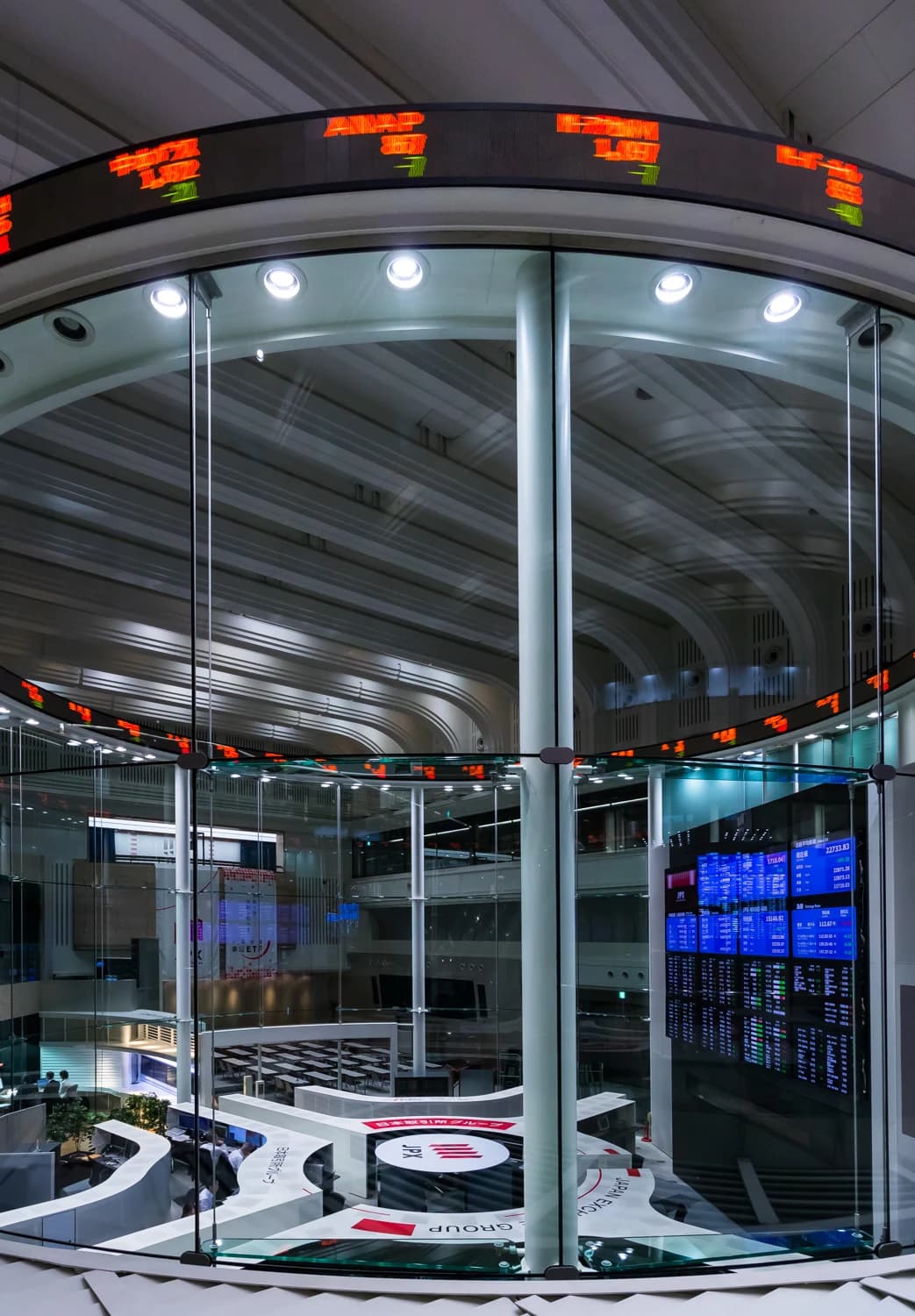
Tokyo stocks opened in positive territory, but the real story is the market’s attempt to stabilize after a brutal selloff that wiped nearly 6% from the Nikkei and pushed it below 60,000 for the first time in about five and a half months.
Nikkei Rebounds After Sharp AI-Led Selloff
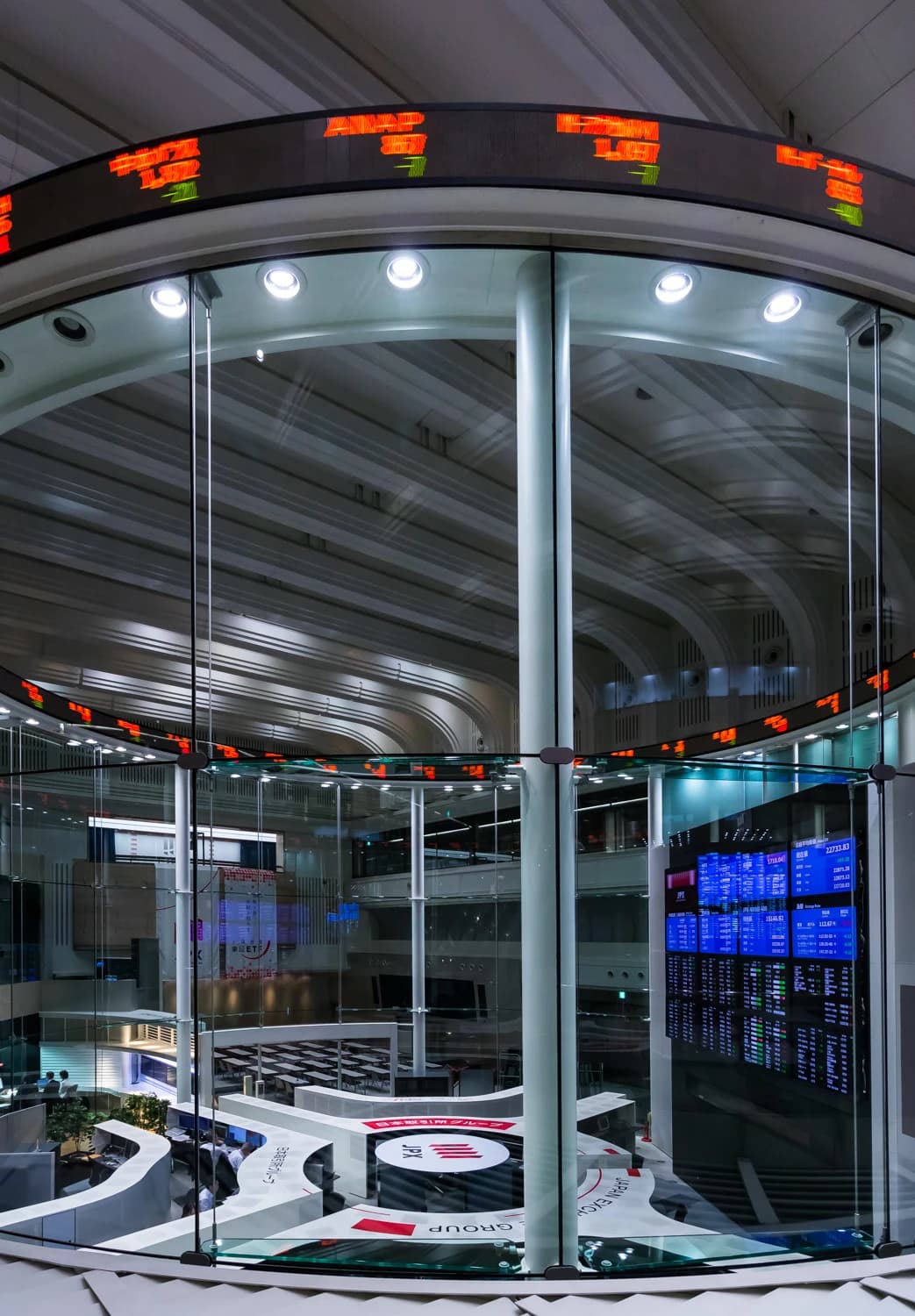
That matters because Japan’s equity market has become a leveraged play on the global AI buildout, and this week’s rout showed how fast that trade can unwind when investors start questioning capex discipline, regulatory risk and semiconductor demand. The Nikkei’s early gain of 0.24% to 62,039.56 suggested bargain hunting after the slide, while the broader Topix rose 1.56% to 3,956.18, pointing to some relief beyond the biggest index names.
The selloff was not just a technical shakeout. It was a repricing of one of the market’s most powerful secular narratives: the idea that AI infrastructure spending would stay elevated long enough to justify premium valuations across chips, data-center equipment and Japanese exporters tied to the global tech supply chain. When that thesis wobbles, the damage spreads quickly through Tokyo because the market is densely populated with cyclical winners from the AI capex cycle.
That is why investors should care about the opening bounce, not as a sign of recovery, but as a test of conviction. If buyers step back in, they are betting the latest drawdown was an overreaction and that AI spending will reaccelerate once policy uncertainty clears. If they do not, the market is signaling that Japan’s recent leadership in global equities remains vulnerable to every shock out of Washington and the semiconductor complex.
The FX and index proxies tell the same story. The EWJ Japan ETF has slipped back below its 50-day moving average, with its RSI readings showing momentum has cooled sharply, while DXJ is also trading under its 50-day line after a sharp two-day break. Those are classic signs that the trade has lost traction, even if the longer-term trend is not fully broken yet.
For investors, the opportunity is not in chasing the first green open. It is in separating the temporary washout from the structural winners. I believe the market is underestimating how much of Japan’s equity upside is still tied to global AI spending, industrial automation and the yen-adjusted earnings power of exporters. That creates a buying window in quality Japan exposure on weakness, but only if you are selective and willing to ride out volatility.
The next catalyst is straightforward: confirmation that AI-related capital spending is still intact, or a further deterioration if U.S. policy remains hostile to the sector. Until then, Tokyo’s opening strength should be treated as a rebound inside a much bigger test of confidence.
| Entity | Gains | Losses |
|---|---|---|
| Nikkei buyers | ▲Rebound potential | ▼Catching a falling market |
| AI-linked exporters | ▲Oversold bounce | ▼Capex slowdown fears |
| Topix broader market | ▲Relative resilience | ▼Tech-led volatility |
| Semiconductor shorts | ▲Lower near-term pressure | ▼Rapid short squeeze risk |