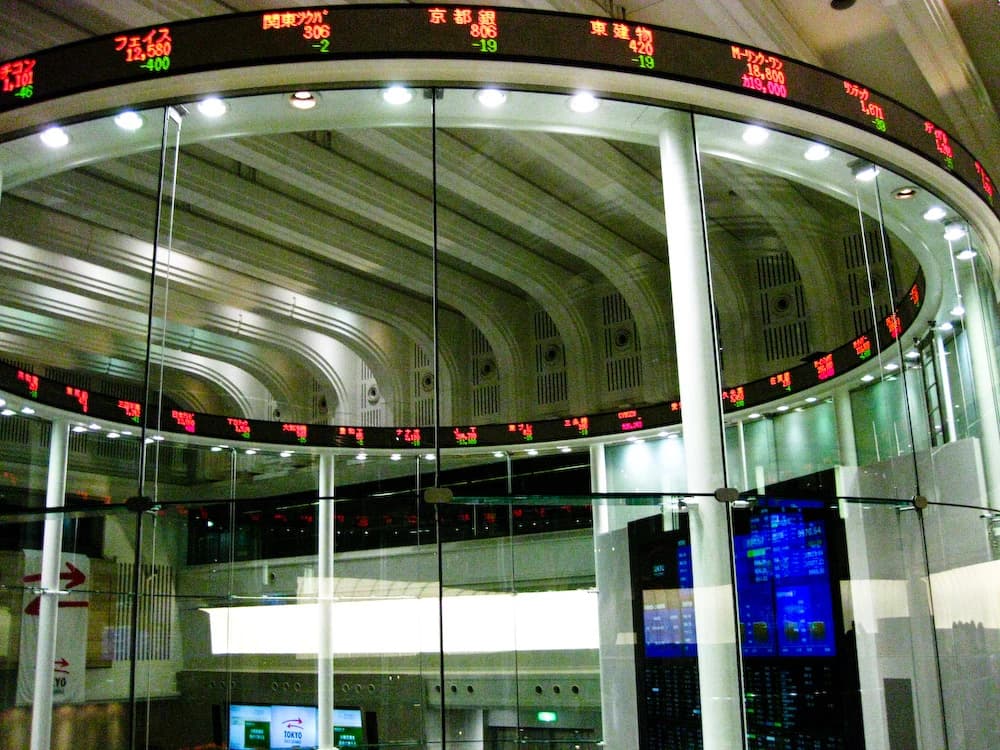
The Nikkei 225 fell as a sharp selloff in U.S. high-tech stocks rattled sentiment across global equity markets, reviving doubts about how quickly the AI boom can translate into profits and pressuring Japan’s own chip and technology names.
Nikkei 225 Falls on U.S. Tech Selloff
That matters because Japan has become one of the cleanest ways for global investors to express the AI trade outside the United States. When Nasdaq names crack, the feedback loop does not stop in New York: it hits suppliers, equipment makers and index-heavy Japanese benchmarks that have ridden the same capital-spending wave. The latest move underscores how dependent the Nikkei has become on the fortunes of U.S. mega-cap tech and the market’s willingness to pay up for AI growth.
Sentiment Indicators
The U.S. selloff was severe enough to reset risk appetite. The Nasdaq Composite dropped 2.6%, its biggest decline in about four and a half months, as investors worried again about the return on massive AI investment. That followed a broader move out of risk assets amid rising Middle East tensions. For Japan, that is a double hit: a weaker global growth mood and immediate pressure on the exporters and semiconductor names that have been among the market’s biggest winners.
The market backdrop has also turned more fragile technically. Nvidia, a bellwether for the AI trade, closed at $213.50, below its 50-day moving average of $221.92, with its RSI at 34.5 and MACD still negative. The stock has already given back a chunk of earlier gains, a sign that investors are no longer willing to assume every dip in AI will be bought. That matters for Tokyo because Japanese semiconductor supply-chain stocks often trade as a levered proxy on the same theme.
The broader U.S. picture is hardly supportive. The S&P 500 was lower as well, while risk signals from Adalytica.com showed elevated market awareness and fear across U.S. benchmarks, consistent with a crowding unwind rather than a routine pause. In practical terms, that tends to favor cash-rich defensives over high-duration growth and puts pressure on markets that have been priced for a near-perfect AI capex cycle.
For investors, the key point is that this is not just about one rough session in New York. It is a test of whether the AI infrastructure trade can keep broadening without constant confirmation from earnings and capital spending. If U.S. tech remains volatile, Japanese equities tied to chips, factory automation and electronic components may stay under pressure even if domestic fundamentals are stable. If the selloff deepens, global fund flows could rotate away from the most crowded AI beneficiaries and into value, financials and income plays.
The opportunity, in my view, is not to chase the immediate dip in the most expensive AI leaders. It is to watch for the second-order beneficiaries in Japan that are less exposed to valuation compression and more tied to real industrial demand, while staying selective on the names most dependent on U.S. multiple expansion. The next catalyst is simple: either earnings and capex guidance re-ignite the AI trade, or the market keeps repricing it as a theme that still has to prove itself.
| Entity | Gains | Losses |
|---|---|---|
| U.S. mega-cap tech sellers | ▲De-risking profits | ▼Momentum buyers |
| Japanese chip suppliers | ▲Potential valuation reset | ▼Nikkei 225 bulls |
| Defensives and cash-rich stocks | ▲Relative safety bid | ▼High-multiple AI names |
| Global risk-off assets | ▲Haven flows | ▼Cyclical growth trade |