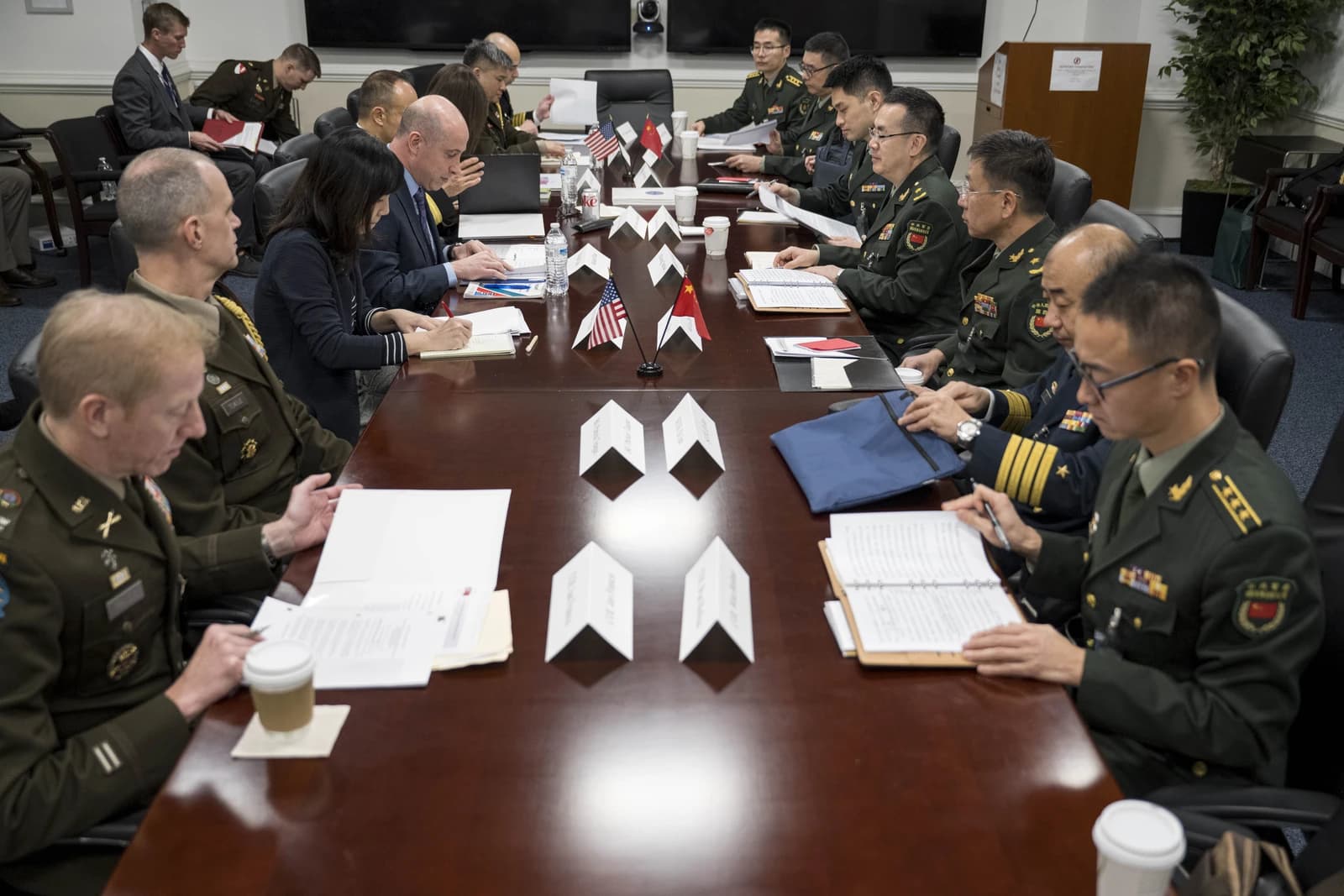
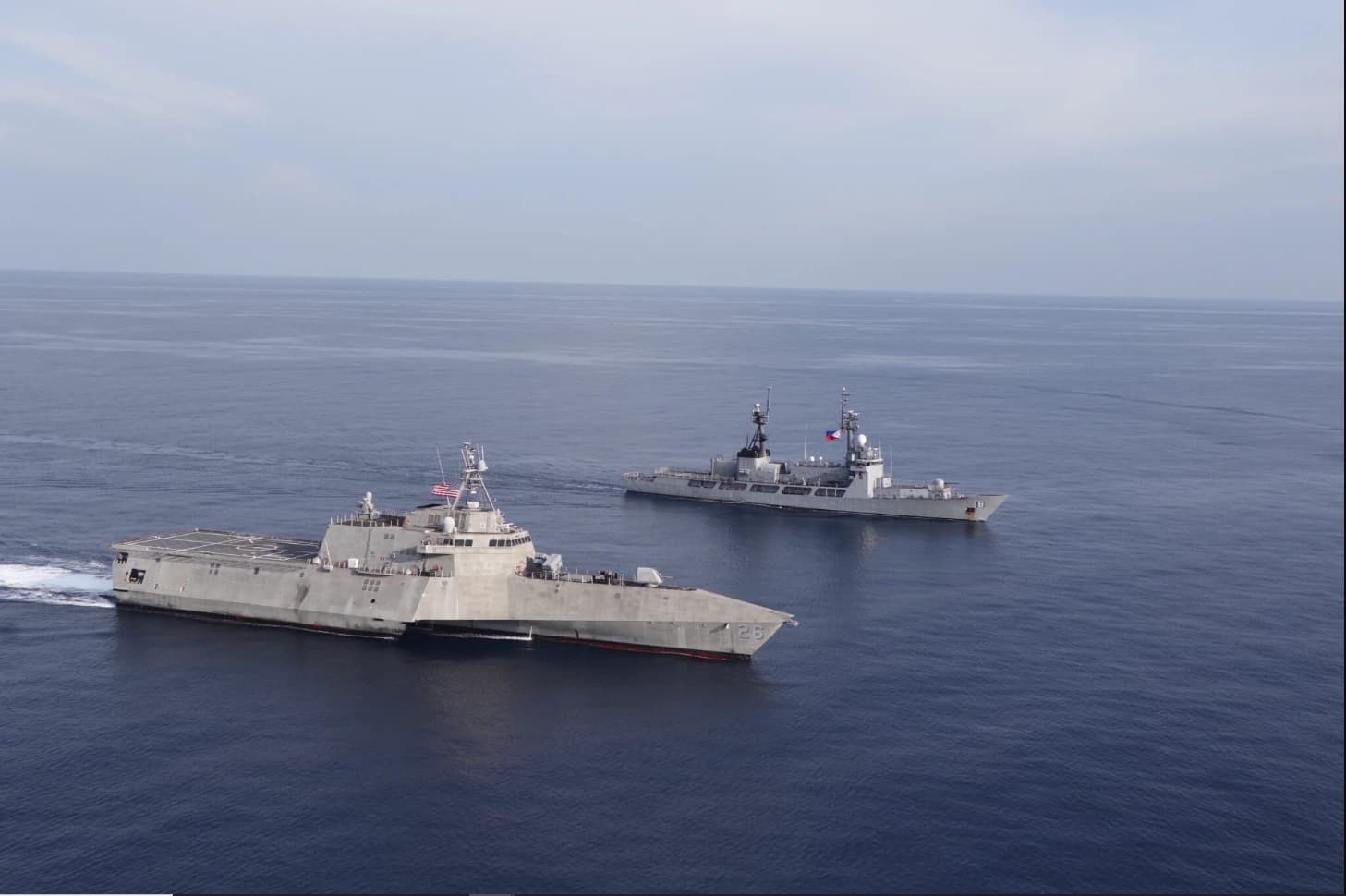
Japan is accelerating a security network across the Indo-Pacific as Washington’s attention is pulled elsewhere, deepening defence ties with Australia, India, the Philippines and Southeast Asian states in a bid to create a looser containment arc around China.
Japan Deepens Indo-Pacific Security Ties
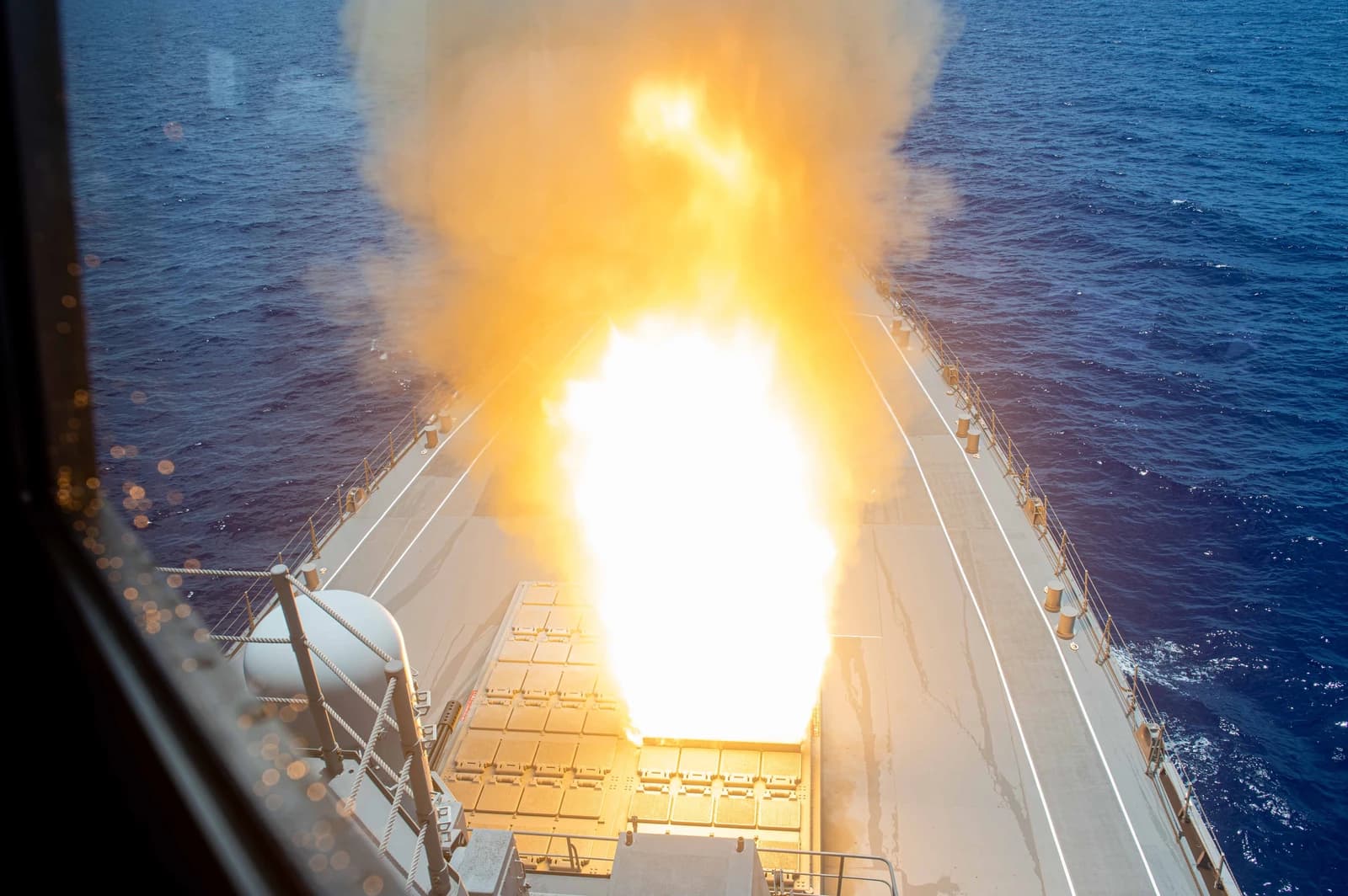
The push matters because Tokyo is trying to reduce its reliance on a U.S. security umbrella that looks less certain at a time of war in the Middle East, rising regional military pressure and intensifying Sino-U.S. friction. For investors, that means more defence spending, closer industrial cooperation and a higher probability of geopolitical shocks across trade routes that matter to semiconductors, autos and broader supply chains.
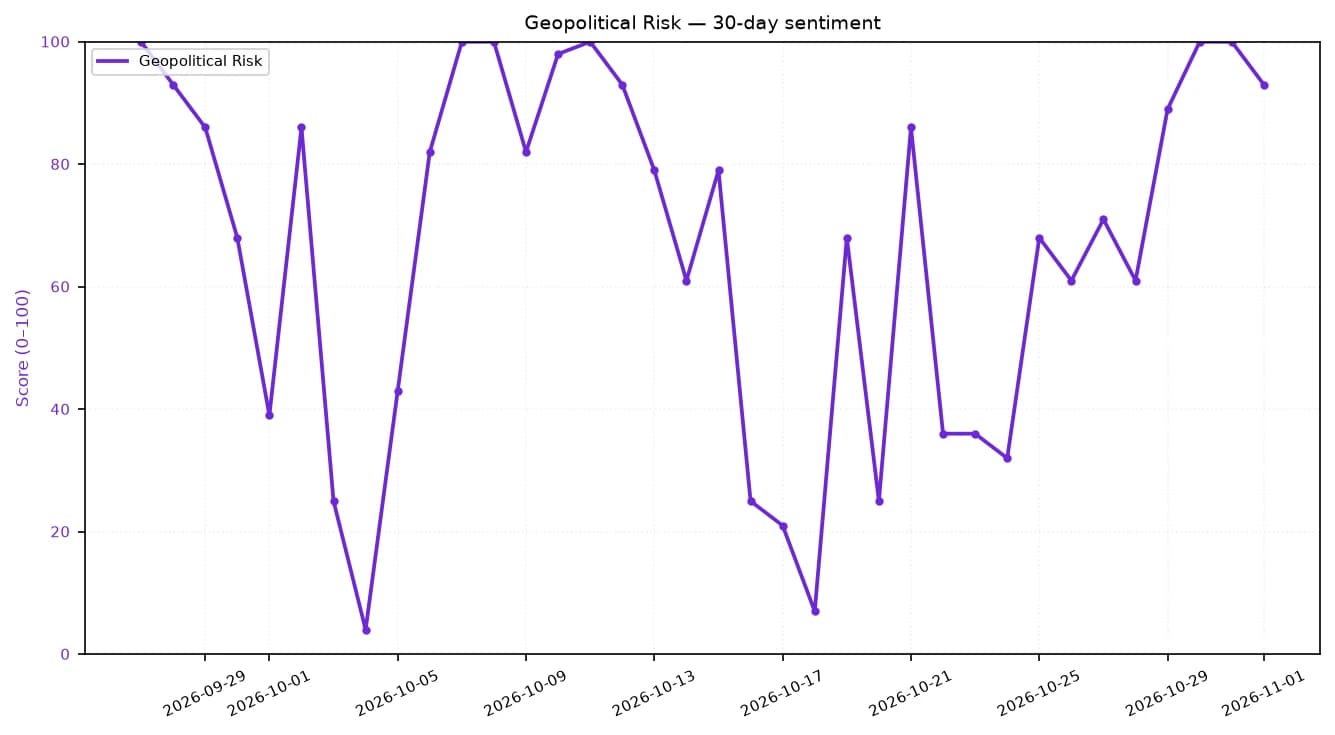
Sentiment Indicators
India is emerging as the most important node in that strategy. It offers Japan strategic depth, naval reach in the Indian Ocean and industrial scale, while also giving Tokyo a partner that can help link the waters off Taiwan to the western edge of the Indo-Pacific.
The timing is sensitive for markets already navigating a sharp deterioration in US–China sentiment. Adalytica’s US–China Relations Sentiment gauge stands at 11, or “Extreme Fear,” down 21 points in a day and 25 points over a week, underscoring how quickly geopolitical risk is being repriced.
That backdrop keeps pressure on companies with heavy Asia exposure. Apple has warned that a majority of its manufacturing is spread across China mainland, India, Japan, South Korea, Taiwan and Vietnam, while Nvidia has said export controls can disrupt its supply chain and distribution channels. Those risks become more relevant when security policy hardens across the same geography.
The strategic arc also has implications for the U.S. itself. If allies move to build more independent defence architecture, Washington’s role as the indispensable security guarantor weakens at the margin, while regional states gain more room to hedge between the U.S. and China.
For investors, the next catalyst is whether the network turns from rhetoric into binding cooperation: joint exercises, defence procurement, industrial deals and possible access arrangements across the Indian Ocean and around Taiwan. Any escalation involving China, or any sign of reduced U.S. commitment, would likely intensify the rotation into defence names and pressure Asia-linked supply-chain stocks.
| Entity | Gains | Losses |
|---|---|---|
| Japan | ▲strategic autonomy | ▼dependence on U.S. umbrella |
| India | ▲security leverage, naval role | ▼neutrality flexibility |
| China | ▲— | ▼regional containment pressure |
| U.S. allies and defence contractors | ▲deeper cooperation, spending | ▼higher geopolitical risk |