China is getting a short-term negotiating boost from Donald Trump’s political setback, but investors should not mistake that for a durable win. The midterm drubbing of Trump’s Republicans makes the US president more likely to protect a fragile trade truce with Beijing in the months ahead, even as it leaves China facing a longer-term risk of a less accommodating American political system and a more hawkish Congress.
China Trade Truce Gets Short-Term Boost After Trump Setback
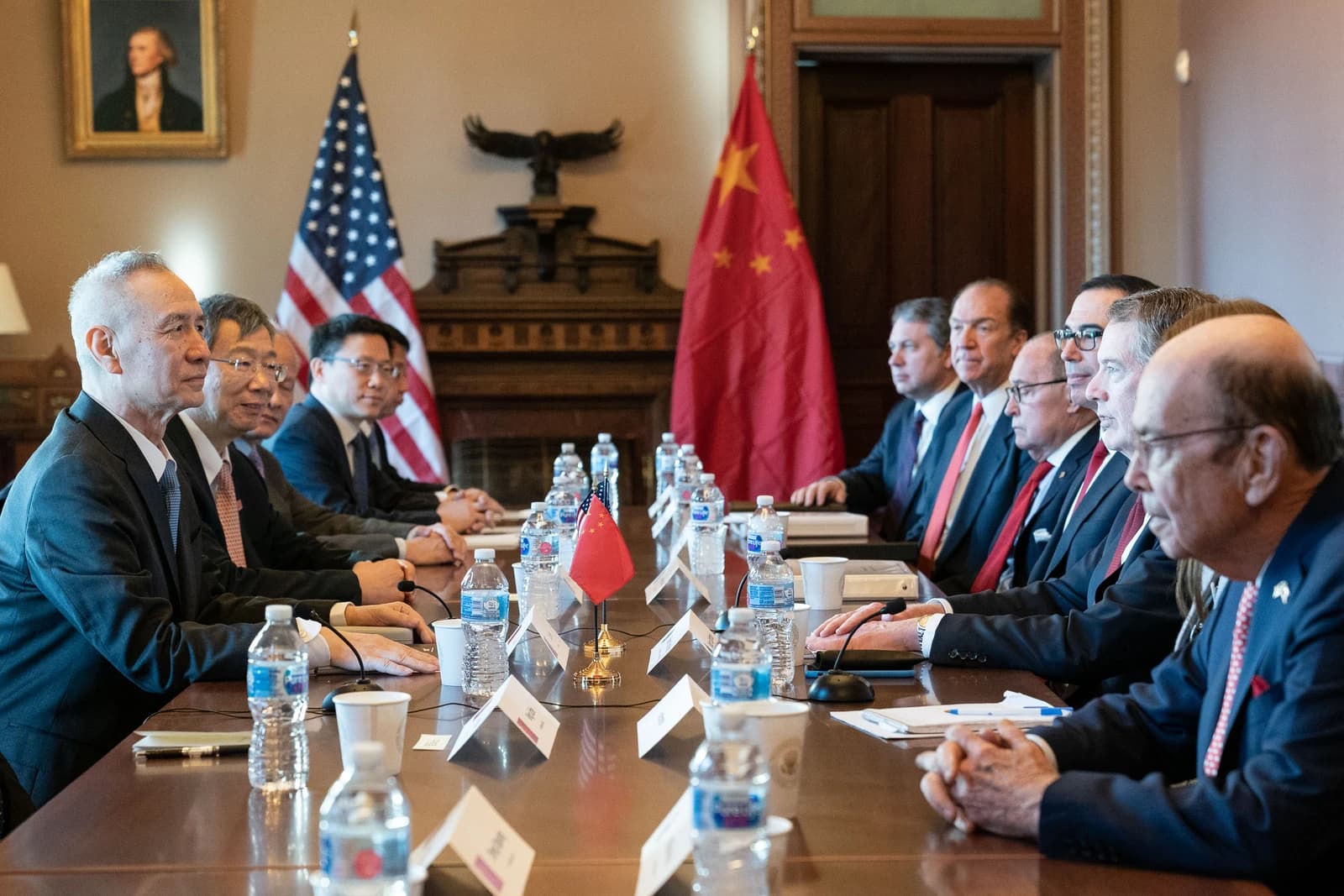
That matters because the trade relationship between the world’s two biggest economies still sets the tone for supply chains, tariffs, commodity demand and market sentiment well beyond bilateral headlines. Beijing has already extended its suspension of some US tariffs and trade restrictions for two more months, signaling it wants stability while high-level talks with Trump and Xi Jinping remain on the calendar. China’s own trade surplus has topped $1 trillion in the first 10 months of the year, a reminder that the country remains heavily exposed to external demand even as it tries to diversify.
Sentiment Indicators

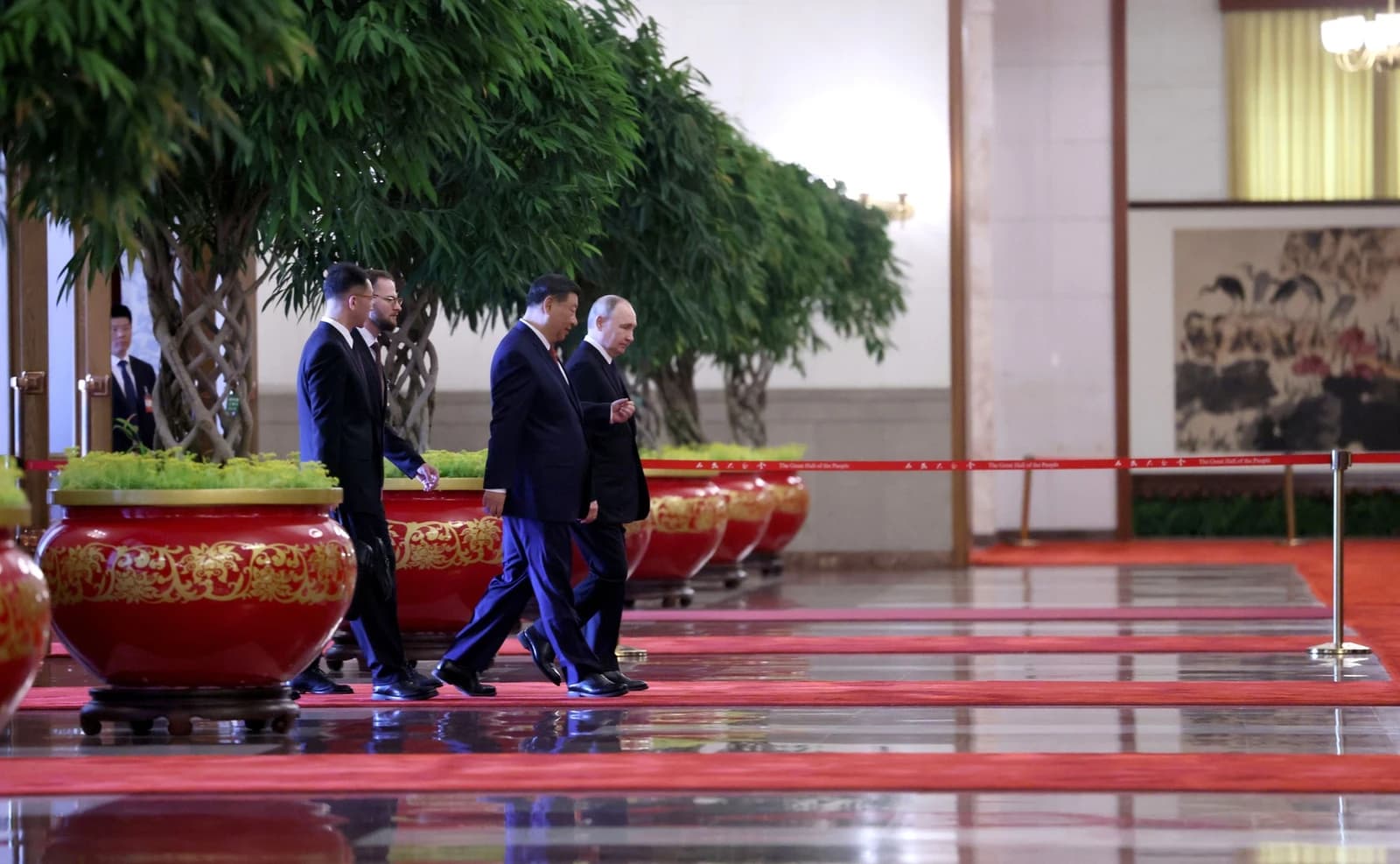
For China, the immediate upside is clear: a weakened Trump is less likely to blow up the truce ahead of talks at APEC and the G20, giving Chinese negotiators room to press for tariff cuts and other concessions. But that leverage cuts both ways. The more Trump feels boxed in at home, the more he may chase foreign policy wins elsewhere, from Russia and Ukraine to North Korea, or lean on Beijing for help — all of which could bring unpredictable demands.
The real investor question is not whether China gets a better hand in the next round of talks, but whether it can turn that into something lasting. History suggests not to count on it. Congress is now more inclined to scrutinize Chinese investment, push human-rights issues and press ahead with a $14 billion arms package for Taiwan, a flashpoint Beijing sees as a red line. That leaves the risk that any trade calm is temporary and that geopolitical friction simply shifts from tariffs to Taiwan, energy security or regional conflicts.
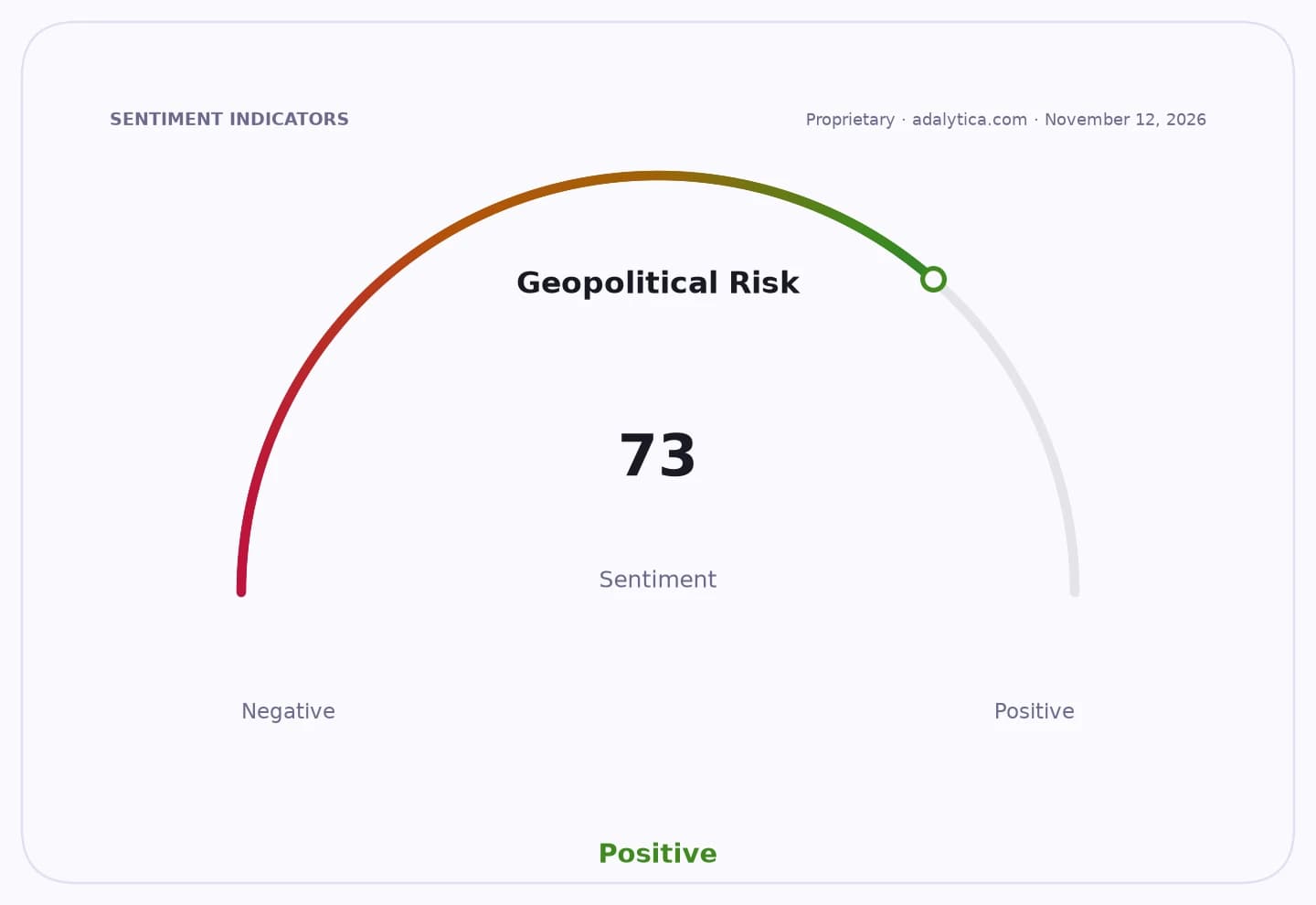
Geopolitical Risk — 30-day sentimentadalytica.com
Explore this data interactively — full history, time series and cross-market comparisons.
Geopolitical Risk
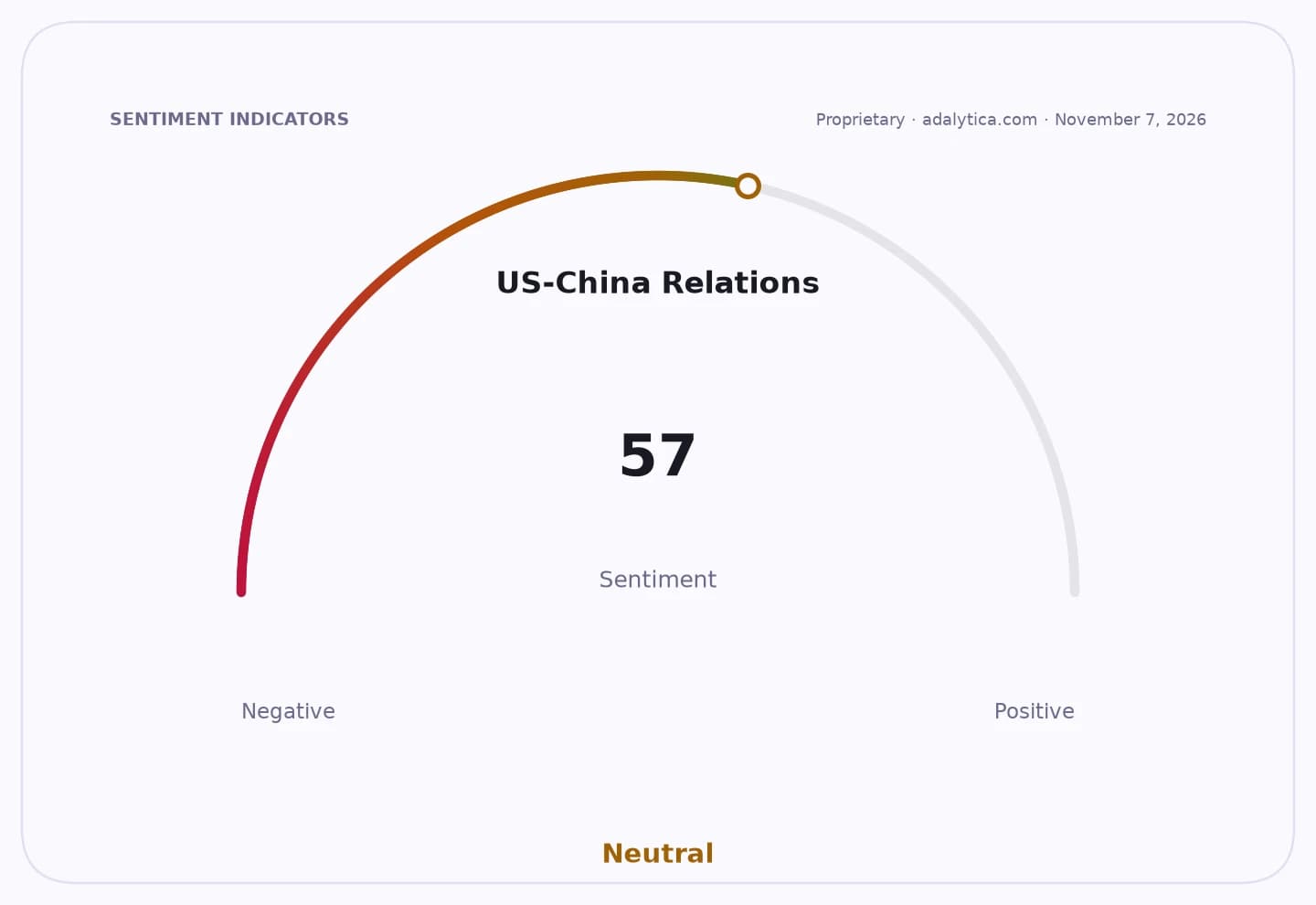
Markets have already treated the US-China relationship as a source of recurring stress rather than a clean investment thesis. The Chinese equity proxy FXI has been volatile, and the broader mood around the relationship, as tracked by Adalytica’s US-China Relations Sentiment gauge, remains in extreme fear territory. Even so, the best long-term takeaway for investors is that volatility does not erase the case for patience. If the next two years bring even modest stability, China gets time to shore up trade ties with other regions and prepare for a tougher showdown later.
For investors, that means the headline is not “China wins.” It is that Trump’s political weakness may buy Beijing time, but not immunity. Keep watching the trade talks, Taiwan, and any shift in US rhetoric. The truce may hold, and that could support risk assets in the near term, but the bigger investing lesson is to stay diversified, think in years rather than weeks, and treat any relief rally in China-related assets as something to hold carefully, not chase blindly.
| Entity | Gains | Losses |
|---|---|---|
| China negotiators | ▲More leverage in trade talks | ▼Higher risk of overplaying hand |
| Trump administration | ▲Short-term incentive to keep truce | ▼Less freedom to escalate trade pressure |
| US Congress | ▲More influence on China policy | ▼Less room for executive dealmaking |
| China-linked assets | ▲Relief from near-term trade shock | ▼Exposure to renewed geopolitical risk |