Lithuania’s foreign policy reset with China is moving back into the spotlight, and the stakes go well beyond a dispute over a nameplate in Vilnius. The real issue is whether Lithuania can ease a bruising diplomatic standoff with Beijing without fully abandoning the Taiwan outreach that has shaped its trade and security positioning for the past four years.
Lithuania-China Talks Put Taiwan Office Name in Focus
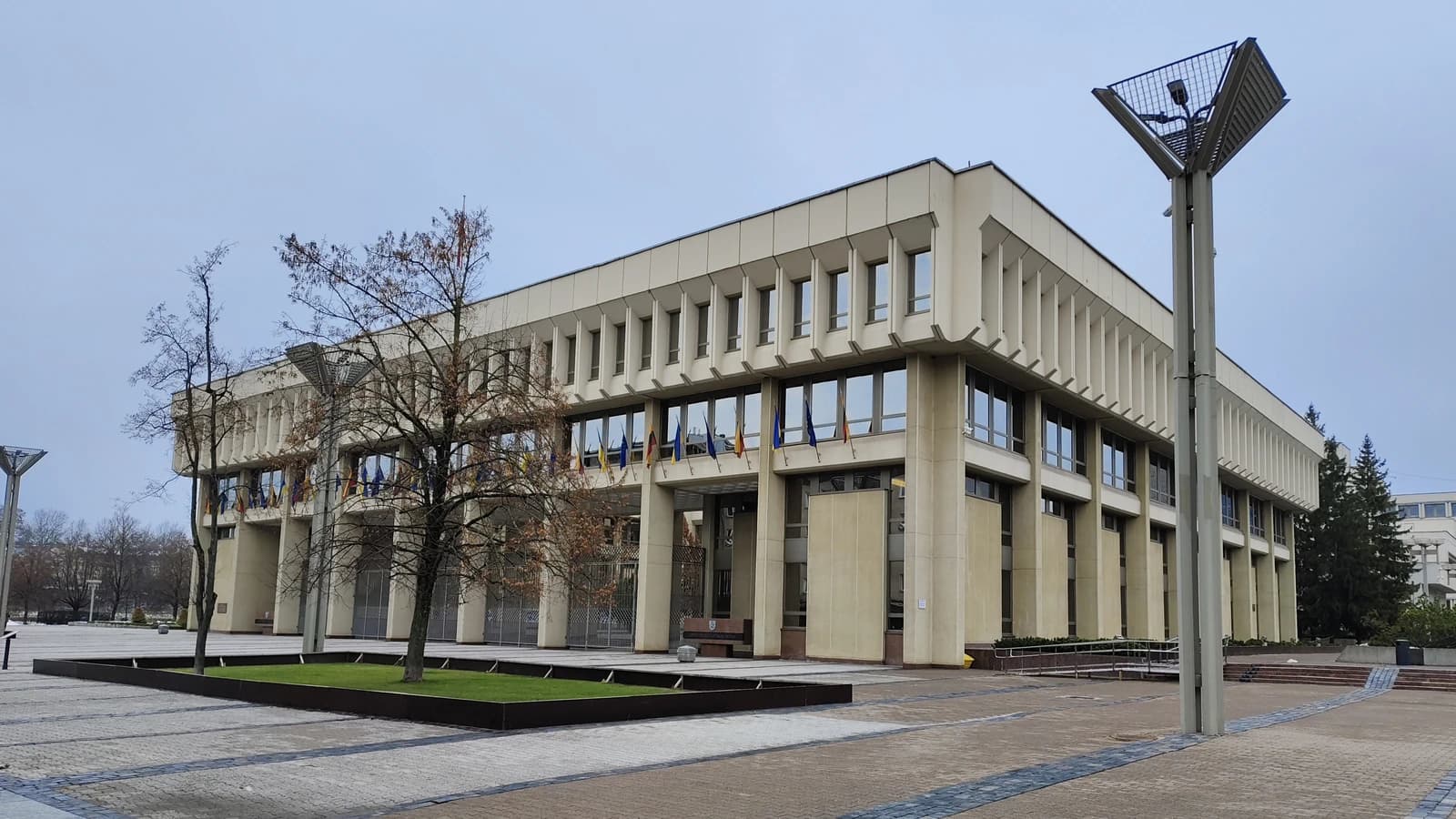
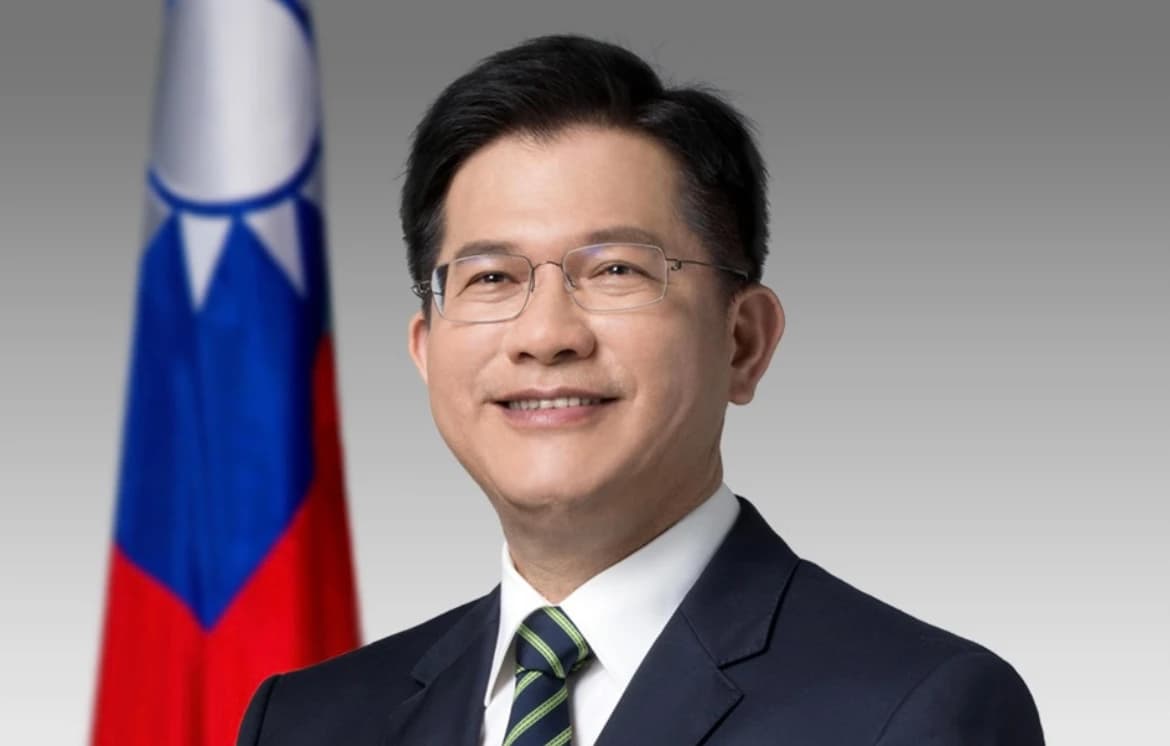
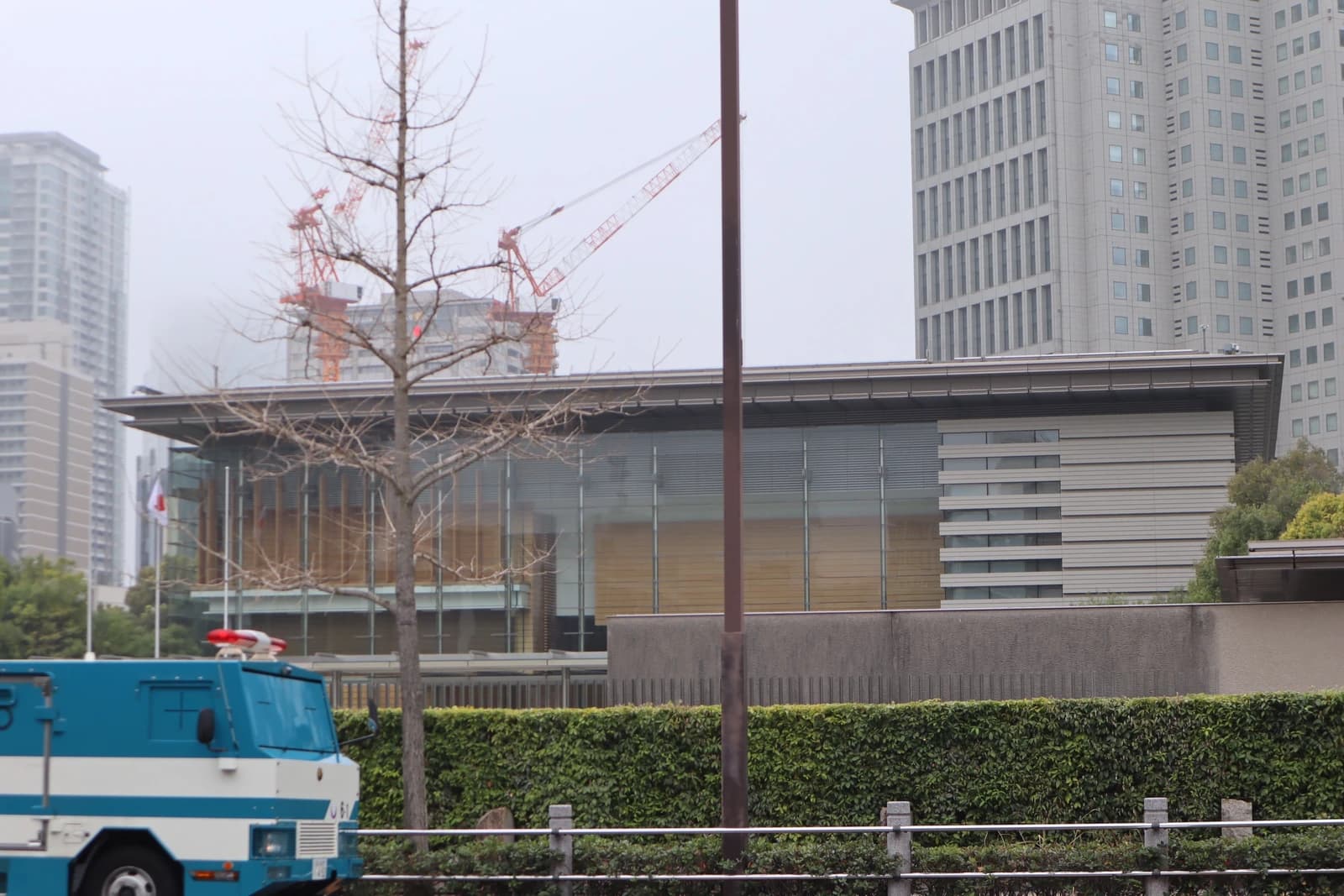
Rymigijus Motuzas, who chairs the Seimas foreign affairs committee, said the committee had not been formally informed about talks between the Foreign Ministry and Taiwan’s representation over a possible name change. That matters because any adjustment would be a signal that Vilnius is still looking for a way to thaw ties with China after relations collapsed in 2021, when Taiwan opened its representative office in the Lithuanian capital.
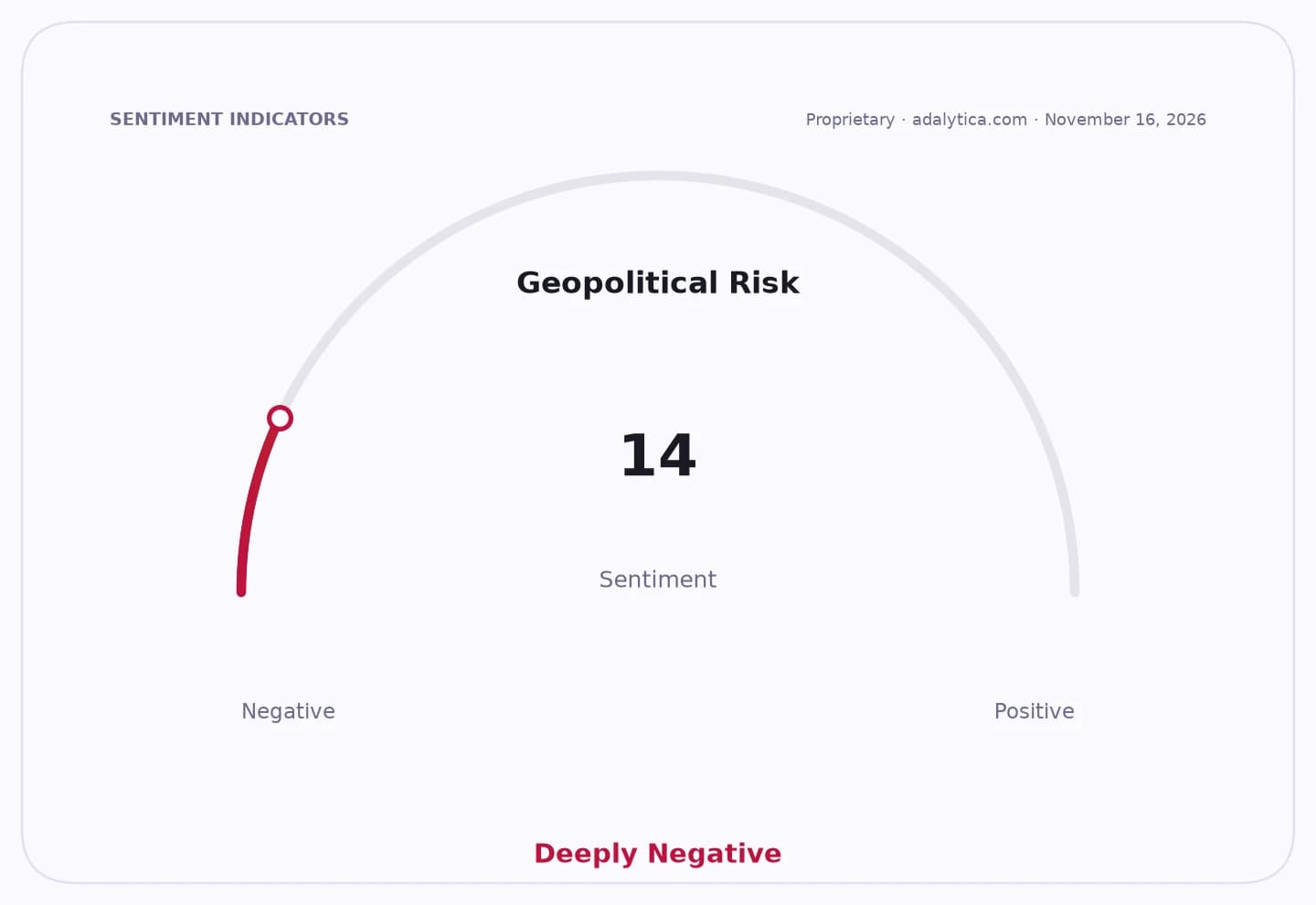
Sentiment Indicators
Geopolitical Risk
The move would be economically significant because the China dispute has had consequences well beyond diplomacy. Beijing downgraded representation after Lithuania’s Taiwan decision, and the two sides have effectively been frozen out of normal channels since then. Lithuania says there are no Chinese diplomats left in the country after it refused to accredit new ones, while the government is now signaling it is open to further discussion with partners at home and abroad. That suggests a potential policy pivot that could reopen commercial channels, reduce friction for exporters and lower the geopolitical premium attached to doing business in the Baltics.
For investors, the important read-through is not just Lithuania itself but the broader message for Taiwan-linked trade and for China exposure in Europe. If Vilnius is prepared to seek a softer label for the Taiwan office, other small European states may conclude that economic pragmatism is reasserting itself over symbolic alignment. That would be a modest but meaningful tailwind for European companies with China exposure, while also reinforcing the market’s view that Beijing still has leverage over smaller economies through trade and diplomacy.
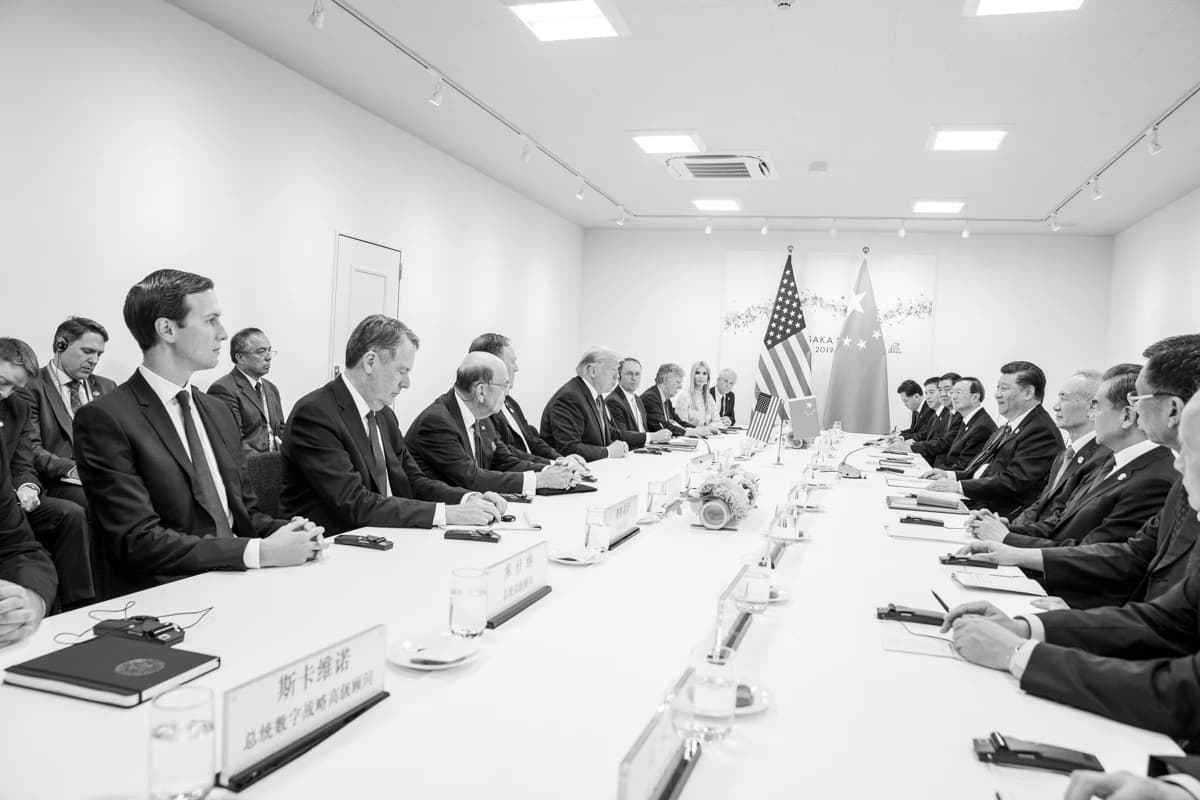
US-China Relations
The market backdrop is already turning more cautious on U.S.-China and Taiwan risk. Adalytica’s US–China Relations Sentiment gauge is at 4, or “Extreme Fear,” showing how quickly diplomatic friction is eroding confidence even as awareness of the issue is elevated. In that kind of environment, any sign of de-escalation can matter disproportionately for risk assets tied to Asian supply chains, export demand and cross-border capital flows.
The data also point to a split market response. The iShares MSCI Taiwan ETF, EWT, remains well below its recent highs, closing at 97.38 on Nov. 13 versus 110.91 on Sept. 11, even after a sharp rebound from a Nov. 5 low of 85.88. Standard technical indicators show the ETF still trading below its 50-day moving average, with the RSI around 41 and the MACD line still slightly below the signal line, which suggests sentiment remains fragile despite the bounce. By contrast, the iShares China Large-Cap ETF, FXI, has stabilized around 33.48 after a volatile year, with its 50-day moving average near 33.91 and RSI around 62, hinting that investors are already positioning for some normalization in China-related risk.
The bigger narrative is that Lithuania is testing how far it can go in repairing relations with Beijing without fully reversing its Taiwan stance. That balancing act will matter to Baltic trade, to European China risk and to investors watching whether the next phase of U.S.-China tension is marked by continued escalation or selective, transactional de-escalation. For now, the opportunity lies in watching for any sign that diplomacy is thawing before the market fully prices it in.
| Entity | Gains | Losses |
|---|---|---|
| Lithuania exporters | ▲Better China access | ▼Less geopolitical leverage |
| China | ▲Diplomatic normalization | ▼Hardline Taiwan precedent |
| Taiwan office in Vilnius | ▲Continued presence | ▼Possible name downgrade |
| EWT holders | ▲Relief from tension | ▼if talks fail |
| FXI holders | ▲De-escalation upside | ▼if friction resurges |