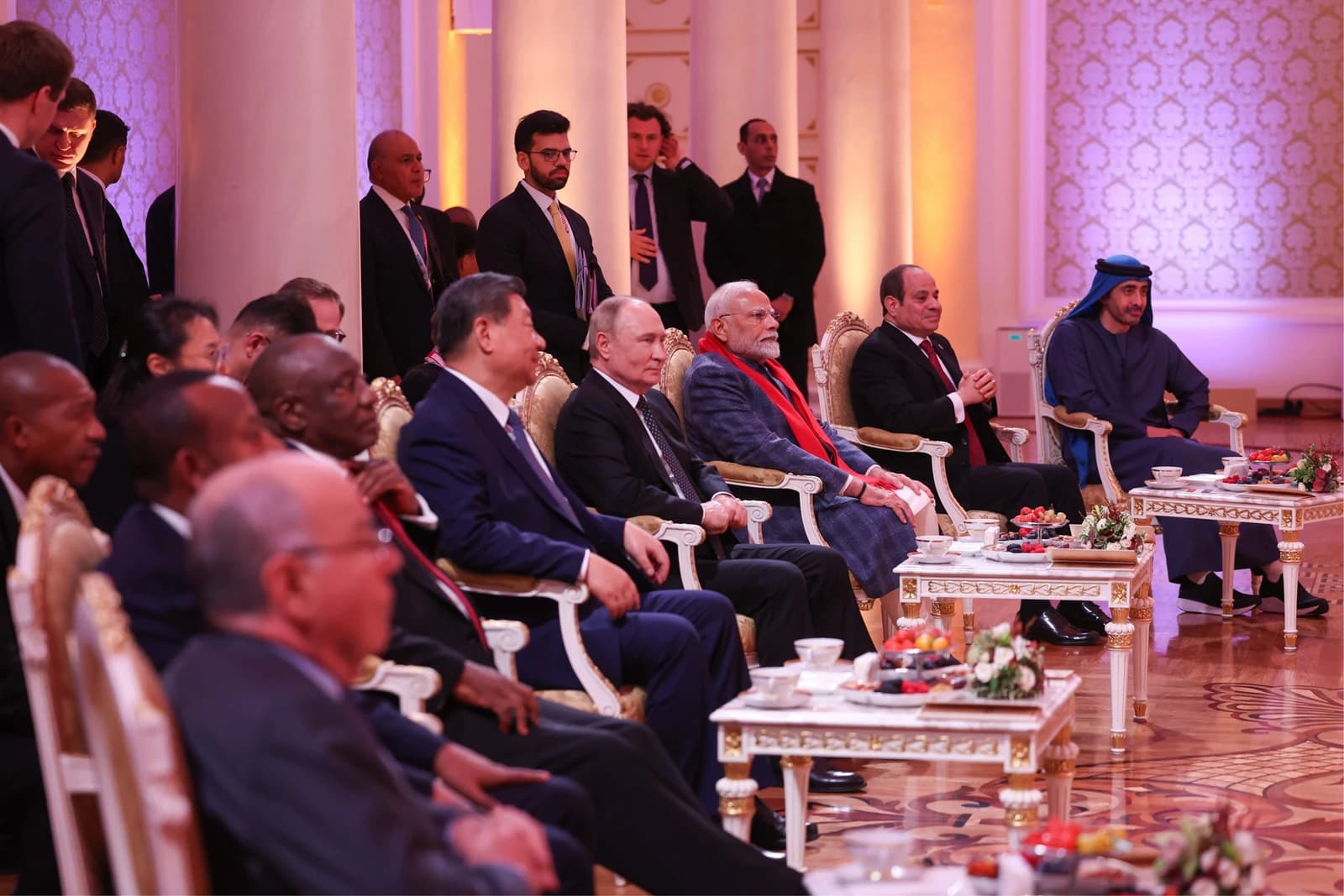
The biggest economic takeaway from the planned Trump-Xi-Putin meeting is not that a deal is likely, but that the three powers are now testing whether high-stakes diplomacy can cool the geopolitical risk premium that has been hanging over trade, defense and capital markets.
Trump-Xi-Putin meeting in Shenzhen on Nov. 19
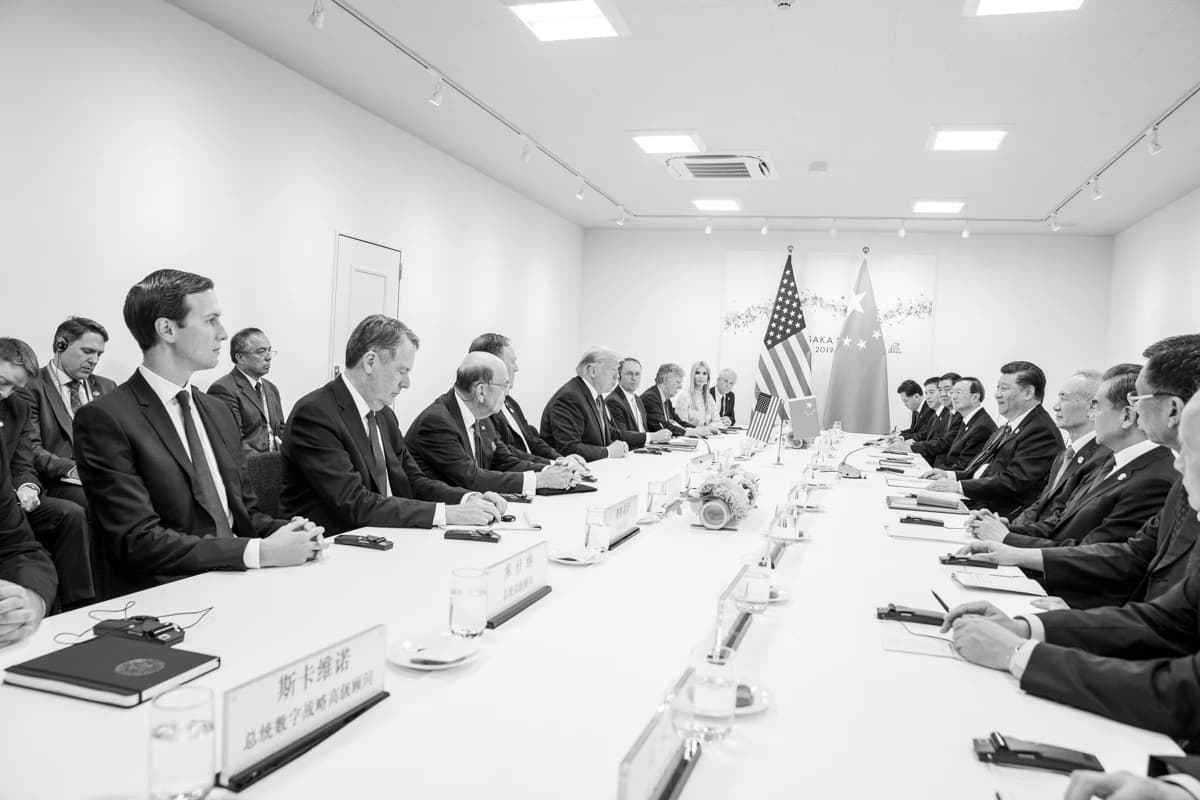
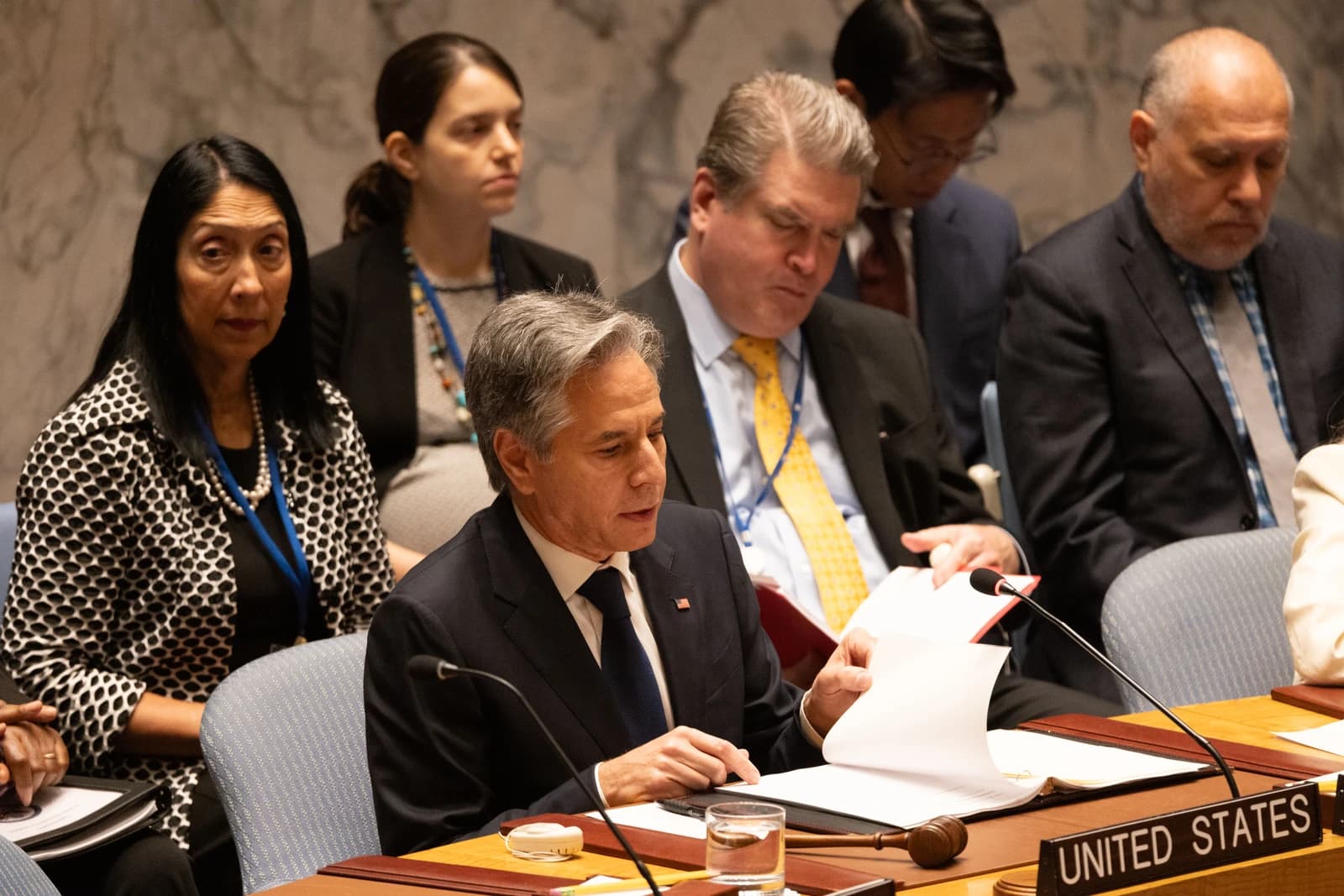
China has confirmed that the leaders will meet Nov. 19 in Shenzhen on the sidelines of the APEC summit, the first known trilateral gathering of sitting U.S., Chinese and Russian heads of state. Beijing called it “groundbreaking significance,” and that is the right frame for investors: even without a breakthrough, the summit could reset expectations around tariffs, sanctions, energy flows and nuclear policy at a moment when the world’s three most important strategic blocs are all under strain.
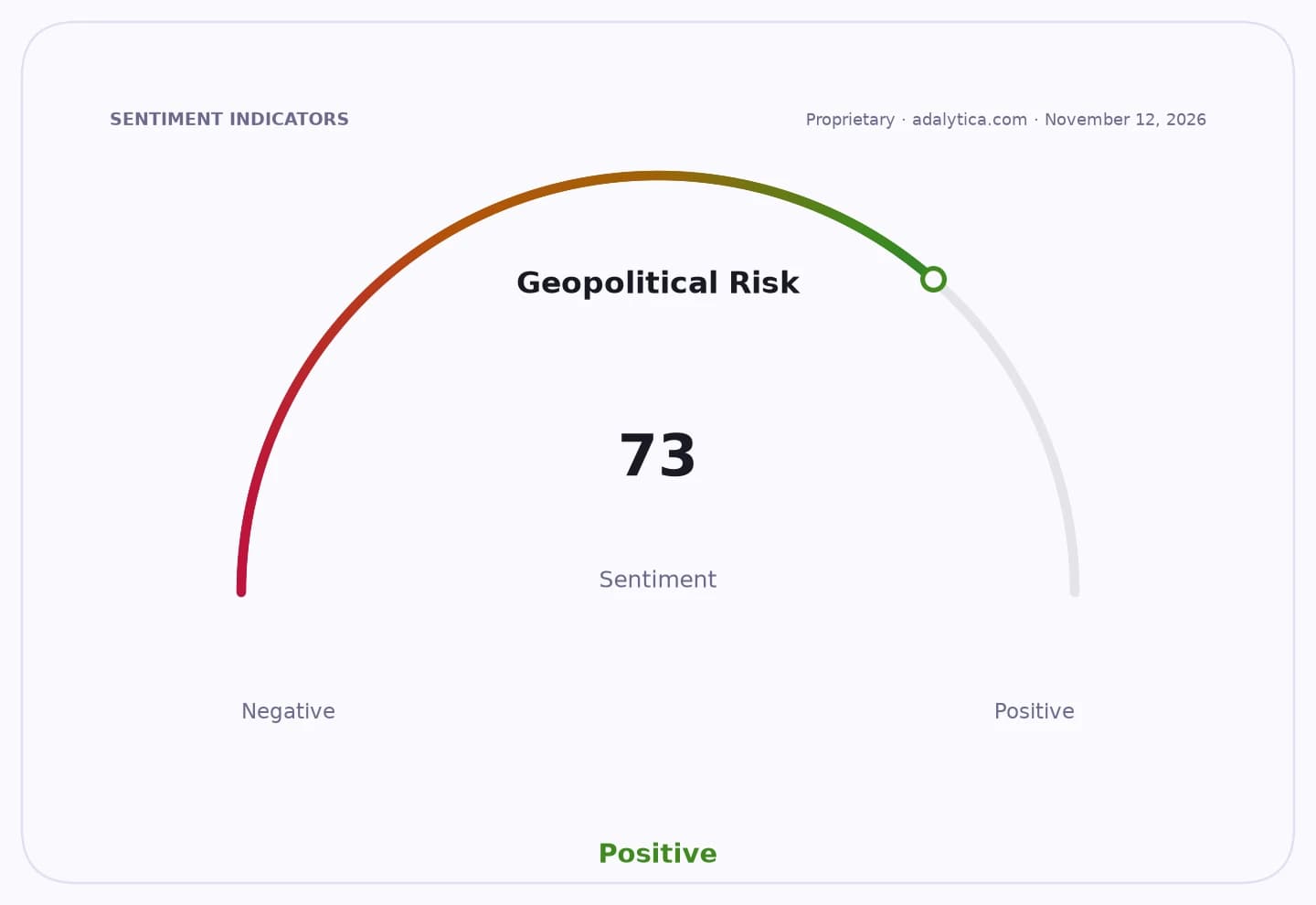
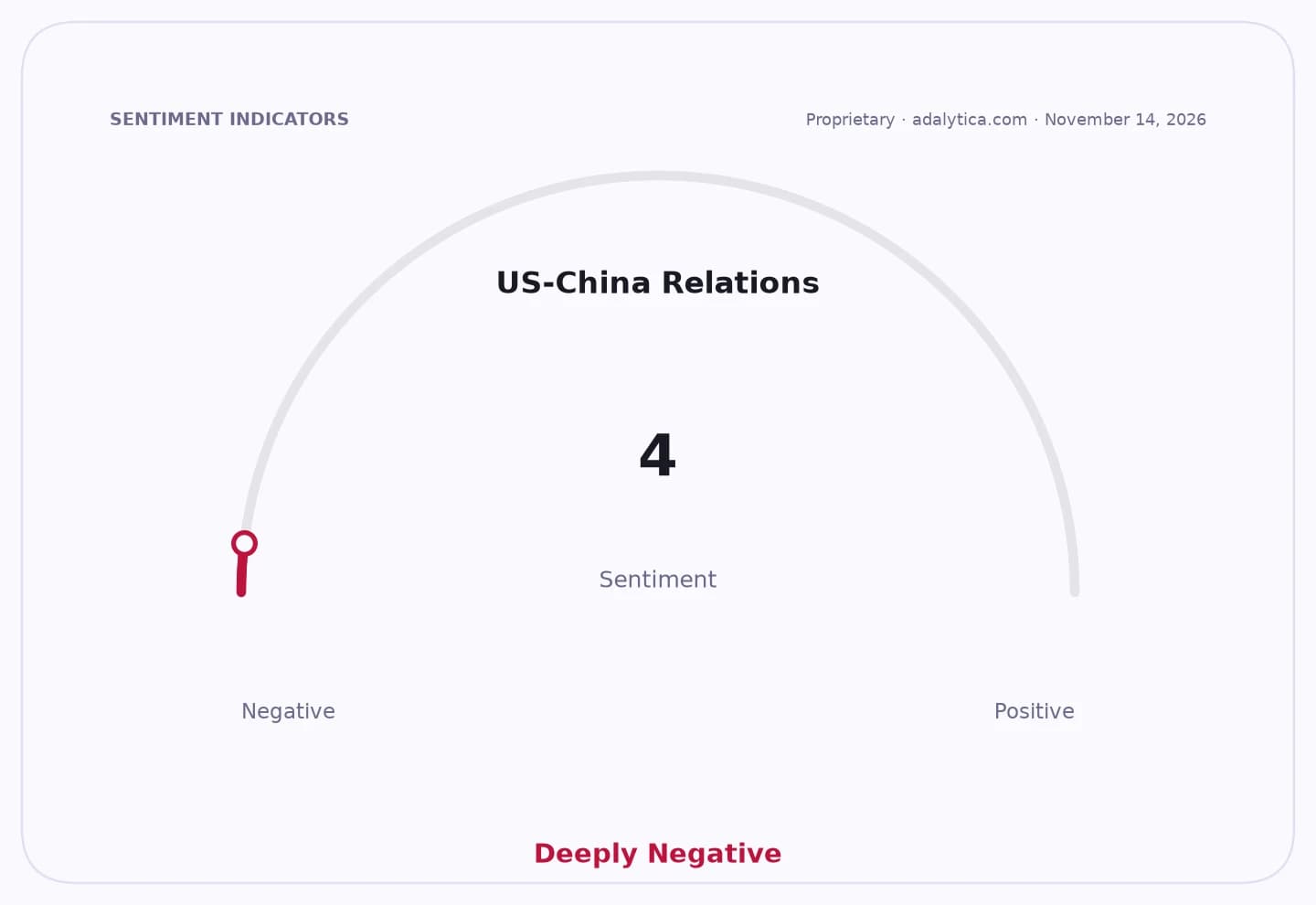
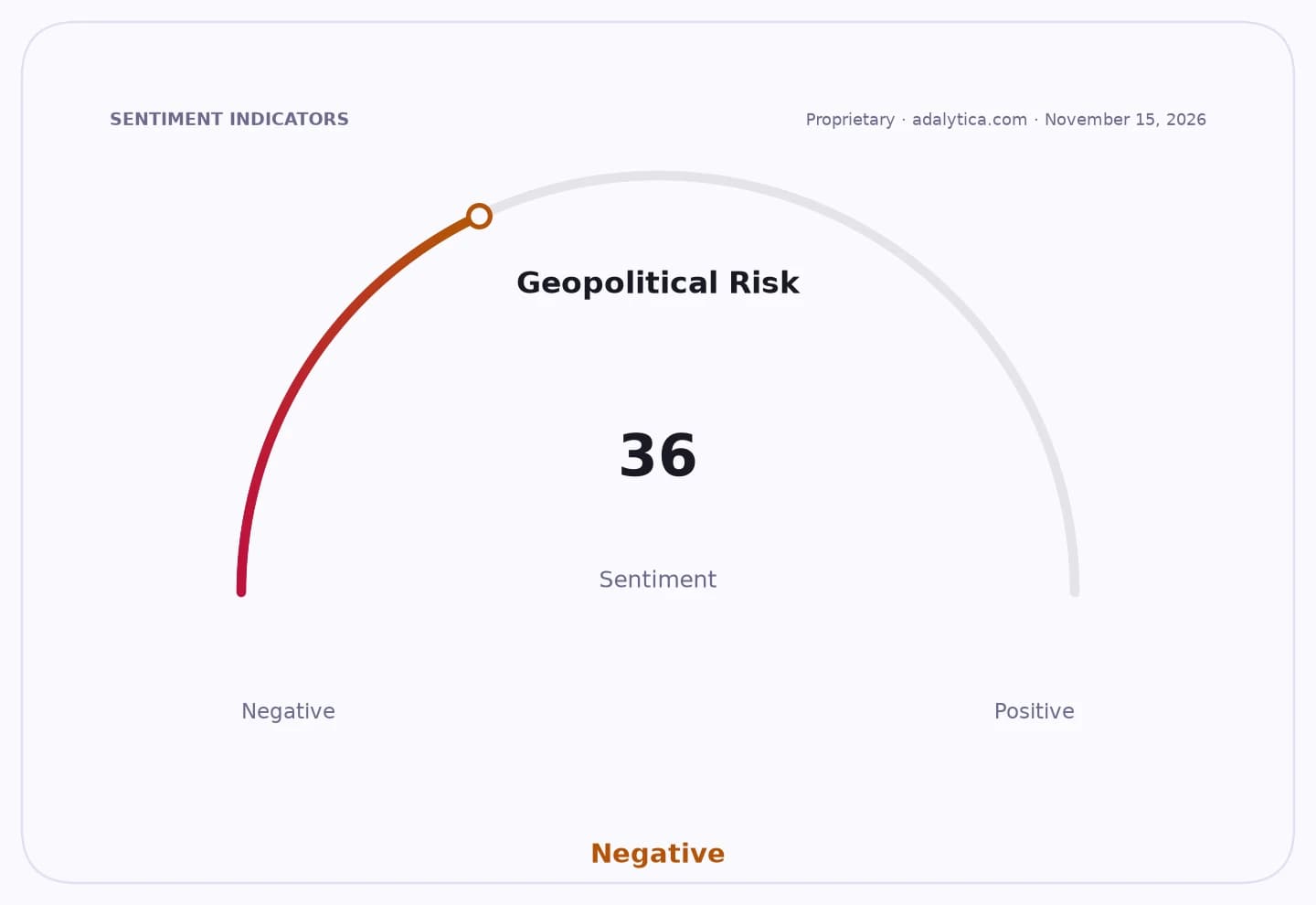
Sentiment Indicators
Geopolitical Risk
The market cares because this is not just a ceremonial photo opportunity. The meeting comes as the war in Ukraine grinds on, the Middle East remains volatile and Washington and Beijing remain locked in a broader competition over trade, technology and influence. Any sign that Trump, Xi and Putin are willing to coordinate, even narrowly, could ripple through sectors tied to defense spending, commodities, industrial supply chains and Chinese assets that have been priced for prolonged confrontation.
Nuclear arms control is likely to be one of the central themes. Trump has said he wants a three-way agreement to reduce nuclear arsenals before the New START treaty between the United States and Russia expires in February 2026. China has resisted joining formal arms talks, arguing its arsenal is far smaller than those of Washington and Moscow. U.S. officials do not expect a major agreement from this meeting, and that is probably the base case. But even a modest opening on strategic stability would matter for bond markets, defense contractors and the broader appetite for geopolitical risk.
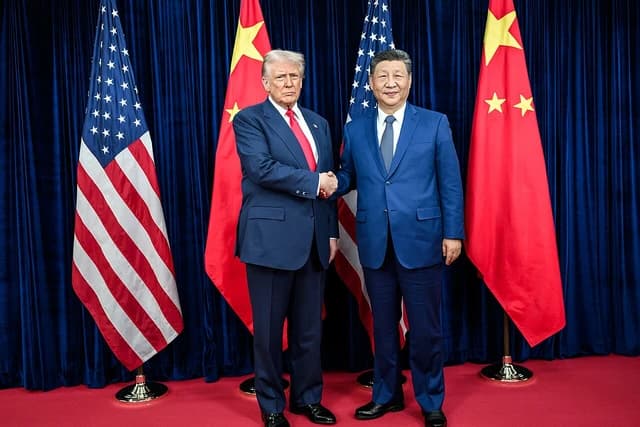
For investors, the more important signal may be that the diplomatic channel itself is back in play. That raises the odds of tactical relief in areas that have been under pressure from sanctions, export controls and tariff threats. Chinese equities, represented by the FXI ETF, have already been volatile, with technical readings showing a market that remains below its 200-day moving average and still lacks a strong momentum trend. U.S. equities, tracked by the SPY ETF, have also lost some steam after earlier strength, with RSI readings easing and the index slipping back toward its 50-day moving average. In plain English, markets are not pricing in a clean geopolitical reset — which is exactly why the setup matters.
The hidden opportunity is in second-order beneficiaries. If the summit lowers the temperature, even temporarily, the biggest gains could come in semiconductors, industrials, energy logistics and multinational firms exposed to China trade. If it fails, the winners are the usual safe-haven trades: defense, energy, gold and select U.S.-centric companies insulated from cross-border friction. That asymmetry is what makes this event investable, not just newsworthy.
There is also a historical echo here. Nixon’s 1972 trip to China did not solve every dispute, but it redrew the strategic map and changed how markets viewed globalization, supply chains and the balance of power. This summit is different in form and far more complicated in substance, especially with Russia at the table, but it could still mark a turning point in how investors price the durability of great-power confrontation.
My view: do not chase the headlines, position for the probabilities. The market underestimates how much asset prices can move if even a limited diplomatic thaw emerges from Shenzhen, and it also underestimates how quickly those gains could reverse if the meeting produces only rhetoric. That is why the best approach is to own the picks-and-shovels of de-escalation and keep exposure to the beneficiaries of continued friction. The summit may not deliver peace, but it could deliver a tradable shift in risk sentiment — and that is often enough to move billions.
| Entity | Gains | Losses |
|---|---|---|
| China equities | ▲Diplomatic relief bid | ▼Geopolitical discount |
| U.S. defense stocks | ▲Tension premium if talks fail | ▼De-escalation upside |
| Industrials and semis | ▲Trade thaw expectations | ▼Export-control strain |
| Gold and safe havens | ▲Risk-off demand | ▼Lower fear premium |