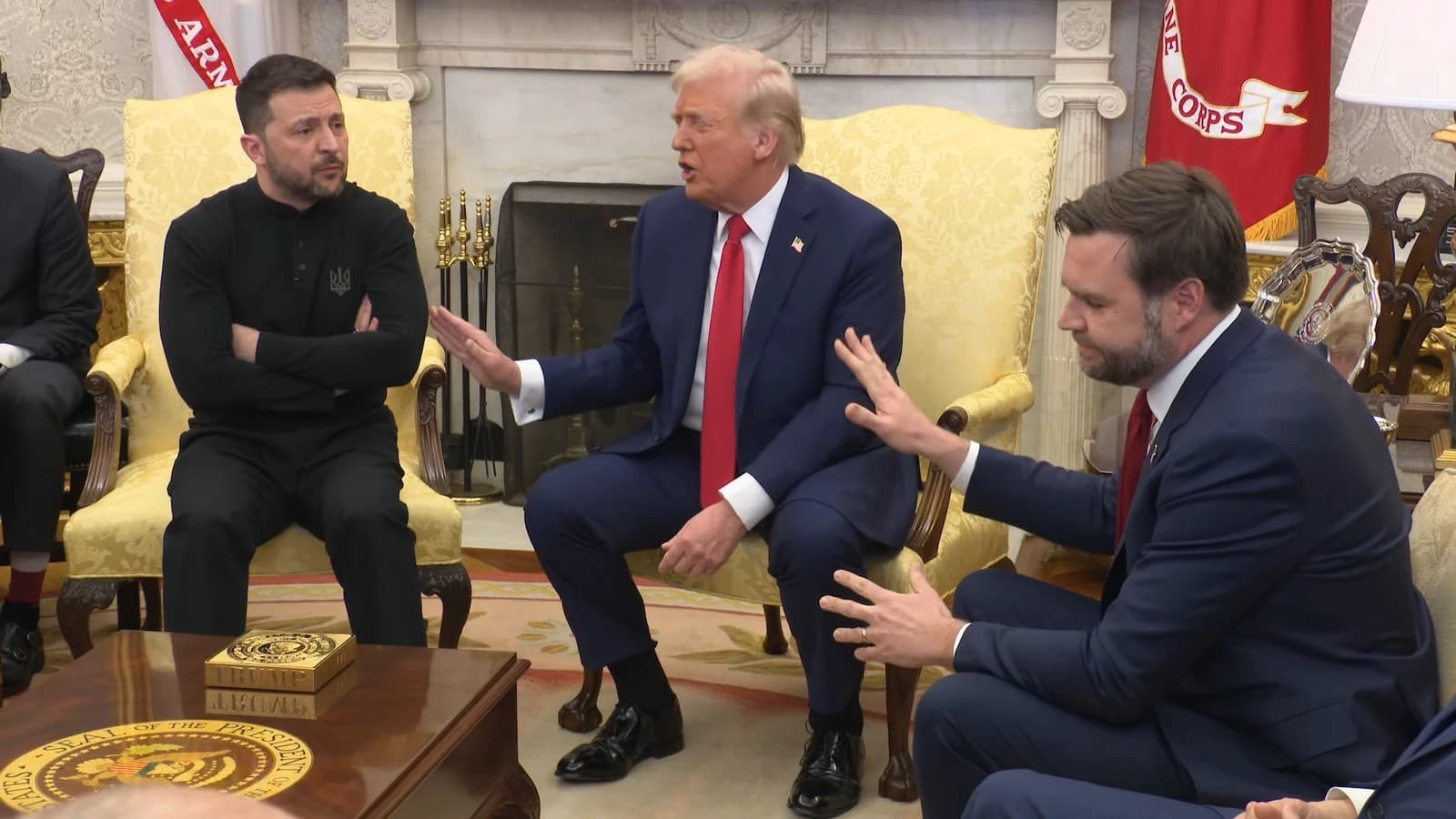
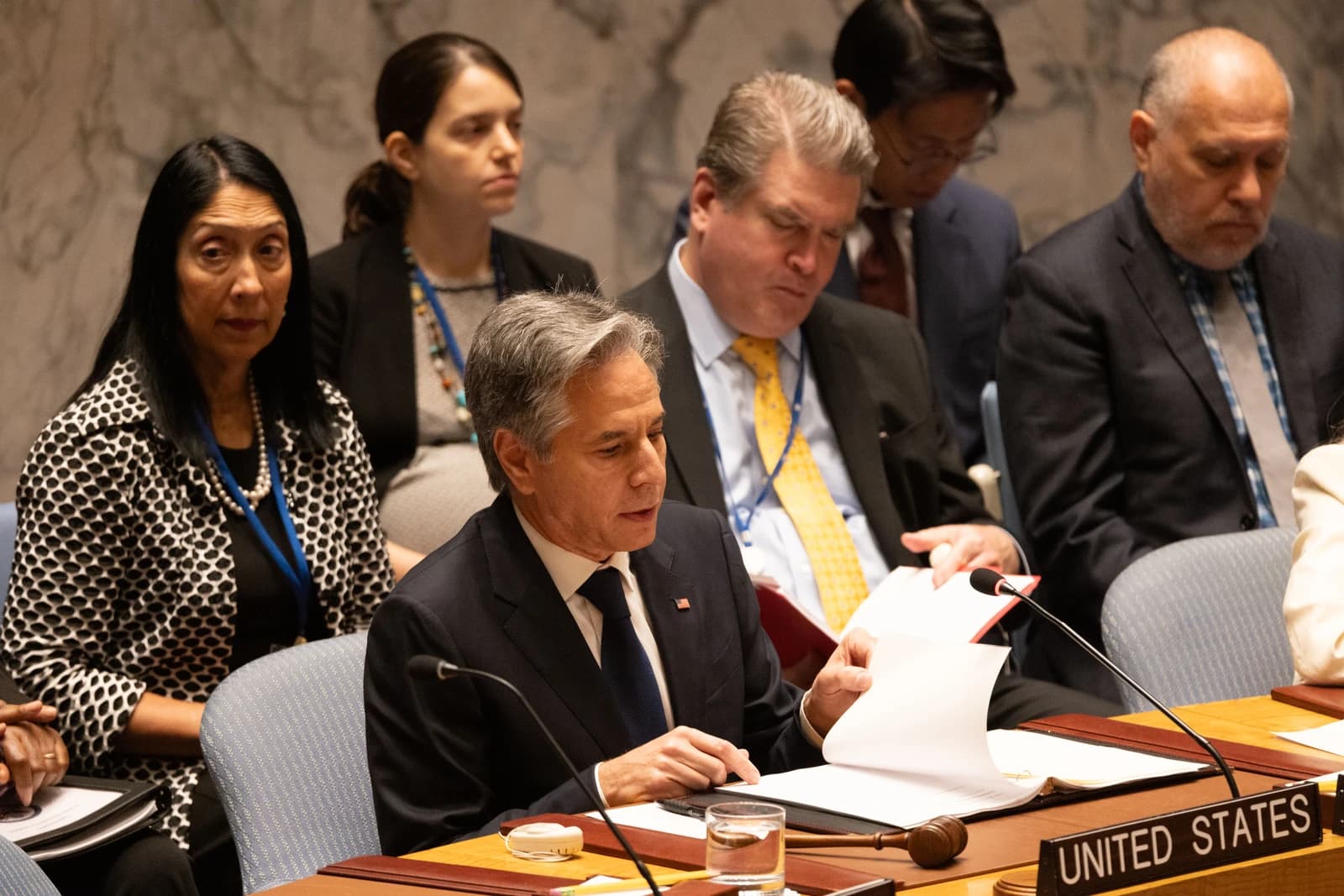
The United States is leaning on China to help bring the Iran war to an end, a diplomatic push that could matter as much for energy markets as for regional security.
US Seeks China Help on Iran War, Oil Impact
If Beijing can help restrain Tehran, it could reduce the risk of a wider conflict that has kept crude prices elevated and forced investors to price in a persistent geopolitical premium. Brent-linked West Texas Intermediate was trading at $88.56 a barrel on the latest session in the data, well below its 2026 peak above $109 but still far above the levels that prevailed before the Middle East flare-up. The market is effectively pricing in less panic than in March, but not a full normalization.
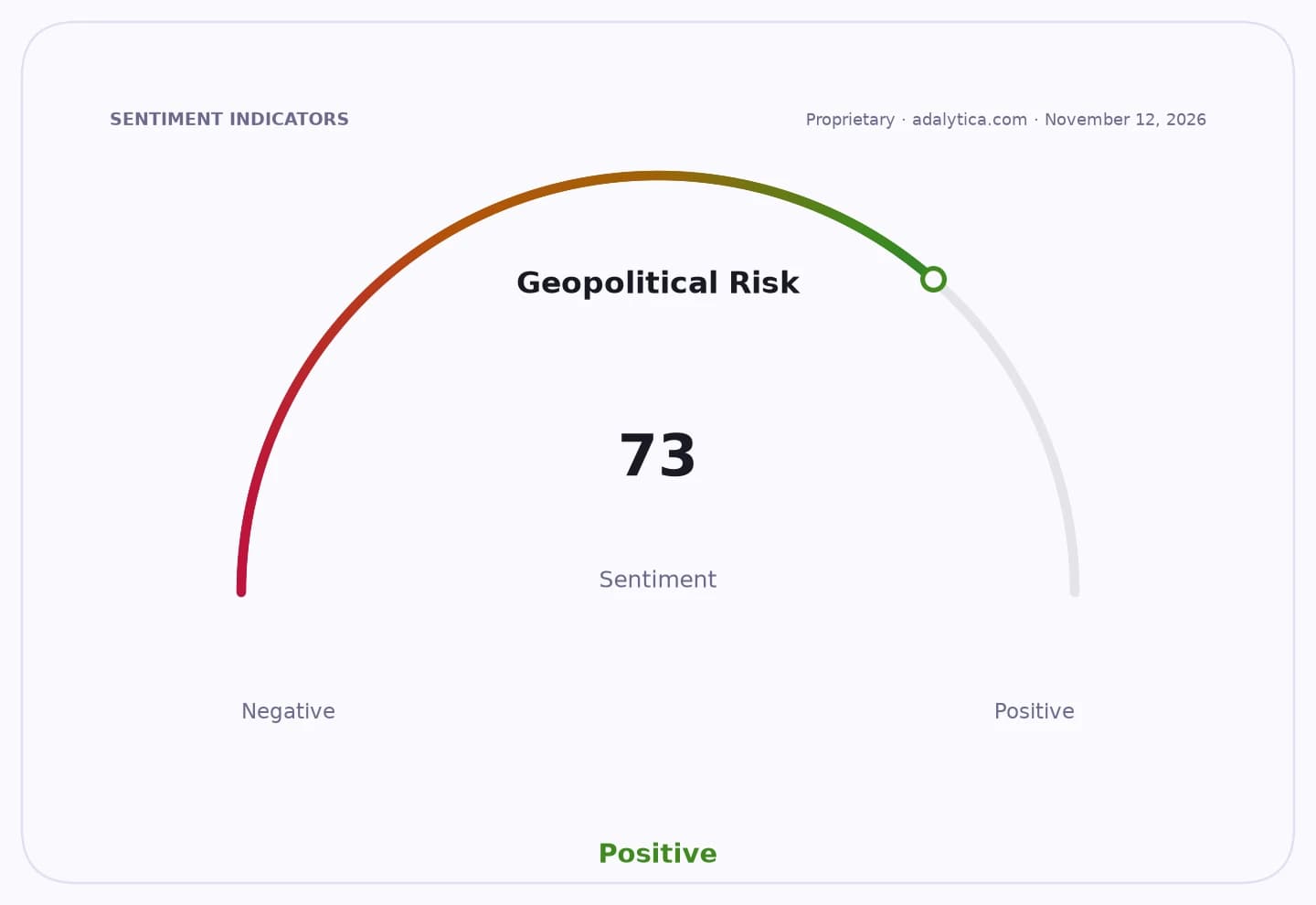
Sentiment Indicators

That matters because oil remains one of the clearest transmission channels from Middle East politics to the global economy. Higher crude filters quickly into gasoline prices, freight costs and inflation expectations, while a disorderly escalation can tighten financial conditions through a jump in energy-linked volatility. The 10-year Treasury yield has climbed to 5.1%, underscoring a fragile backdrop for risk assets even as the U.S. high-yield credit spread has narrowed to 3.2 percentage points, suggesting markets are still differentiating between a contained conflict and a systemic shock.
For investors, the stakes are immediate. Lower geopolitical risk would typically favor airlines, industrials and consumer sectors that have been squeezed by energy costs, while pressuring the crude trade and the shares of producers that benefit from a sustained war premium. Energy stocks, as measured by the XLE ETF, have retreated to $64.96 from a recent high near $70, though the fund remains above its 200-day moving average, a sign the sector has not fully rolled over. Defense shares, tracked by the ITA ETF, have held up better at $71.51 but are also below their recent peak, suggesting the market is already trimming some conflict premium.
Geopolitical Risk vs CL=Fadalytica.com
Explore this data interactively — full history, time series and cross-market comparisons.
Geopolitical Risk
The diplomatic angle also reflects broader U.S.-China leverage. Washington wants Beijing to use its economic relationship with Iran to encourage de-escalation, a pragmatic acknowledgment that the conflict’s outcome is tied not only to military pressure but to commercial and political channels. Adalytica’s Global Stability Sentiment gauge has fallen to 36, a Neutral reading, with awareness at 7, or Extreme Fear, indicating markets remain alert to a low-probability but high-impact escalation even as the immediate military temperature cools.
The bull case for risk assets is that a durable truce would remove a major tail risk, ease pressure on inflation-sensitive sectors and allow oil to drift lower toward the mid-$80s forecast in the data. The bear case is that diplomacy stalls, the war remains in a “no war, no peace” limbo, and markets continue to pay up for energy security and defense exposure.
For now, the key investor question is not whether the conflict has faded from headlines, but whether a China-backed diplomatic off-ramp can turn a military pause into something more durable. If it cannot, crude, rates and defense spending will remain tethered to the next escalation.
| Entity | Gains | Losses |
|---|---|---|
| Consumers and airlines | ▲Lower fuel costs | ▼Persistent oil premium |
| Oil producers | ▲Elevated crude prices | ▼Price normalization |
| Defense contractors | ▲Sustained security budgets | ▼De-escalation premium fades |
| Global economy | ▲Less inflation pressure | ▼Higher volatility if talks fail |