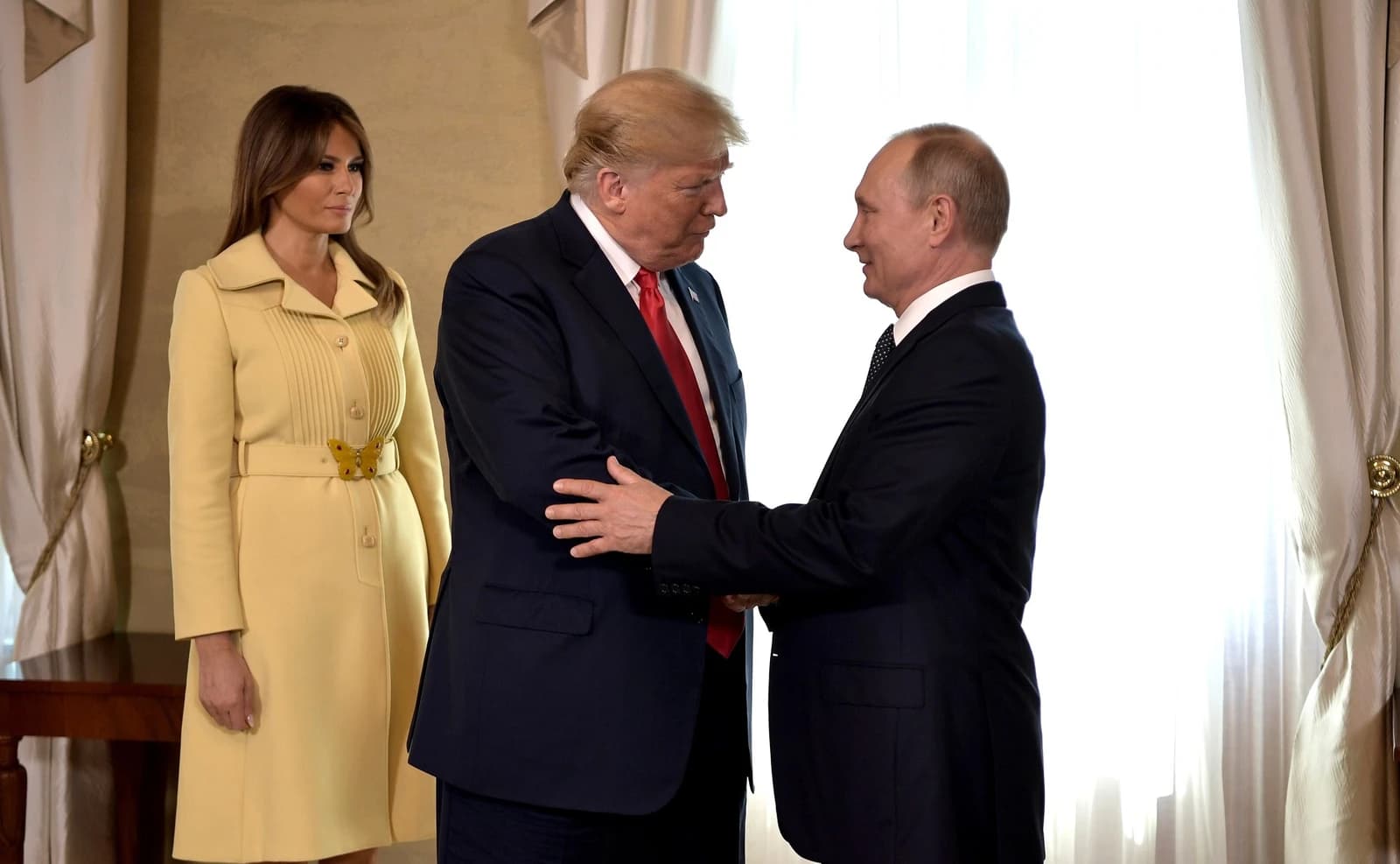
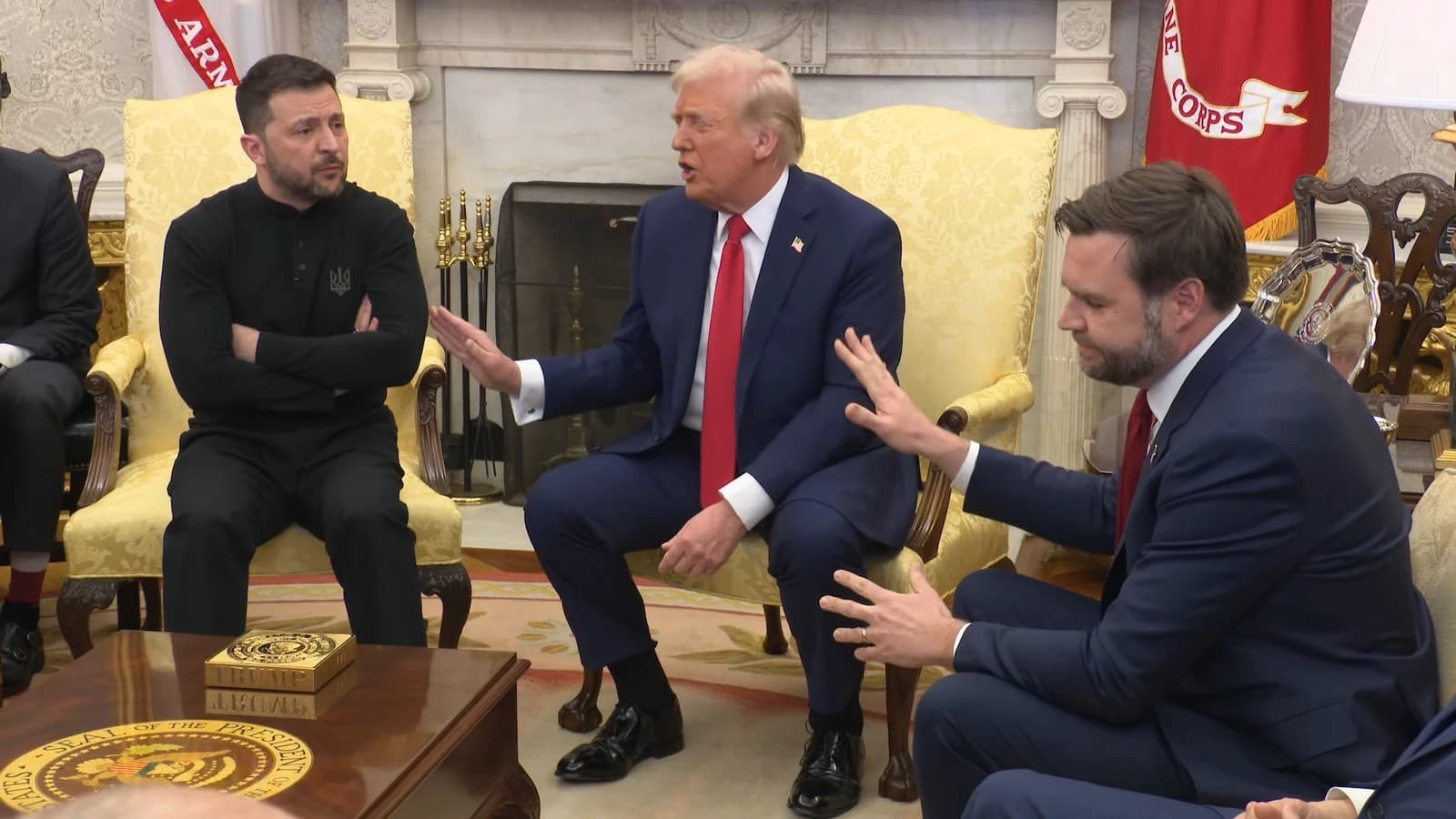
Trump’s announcement that a possible agreement with Russia on Ukraine could take shape at meaningful scale is the biggest geopolitical catalyst in markets right now because it changes the odds on energy prices, safe-haven demand and defense spending before any actual deal is signed.
Trump Russia Ukraine Talks Move Gold Oil Defense
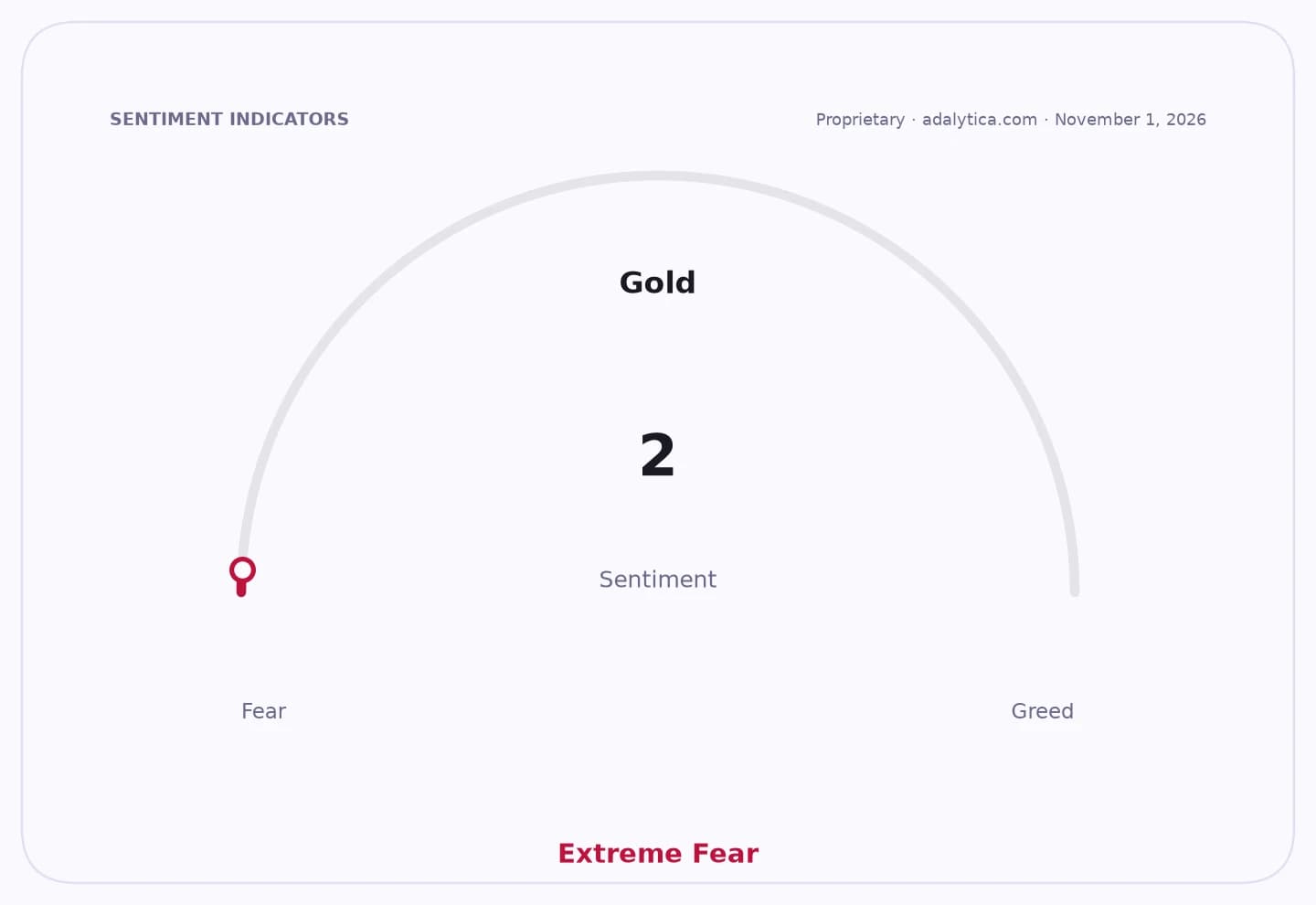
Investors are not waiting for a treaty to price the possibility. Gold has already been whipsawed, with GLD recently surging as high as 490 before sliding to 355.45, a reminder that peace headlines can unwind a large chunk of war premium in bullion almost as fast as they build it. The fund was trading below its 50-day moving average at the latest close, and its relative strength index had cooled to 42.6, showing how quickly the market has rotated from fear to caution. In Adalytica’s Gold Fear & Greed Index, sentiment is only neutral at 61, even after a 24-point seven-day jump, suggesting traders are still hedging rather than chasing a clean breakout.
Sentiment Indicators
Oil is the more direct economic transmission. USO closed at 145.58, down from its recent highs and below its 50-day average of 152.81, while its RSI sat at 28.7, a level that reflects a deeply oversold tape after the earlier war-driven spike. If diplomacy reduces the odds of supply disruption, sanctions escalation or lingering logistics risk, crude’s risk premium can compress further. That matters for inflation, gasoline prices and the Federal Reserve’s room to maneuver. It also matters for portfolios: energy equities that benefited from geopolitical scarcity could underperform if the market starts to believe a broader settlement is credible.
The other side of the trade is defense. Lockheed Martin has already seen its shares fall from this year’s highs, with the stock at 596.04 after touching 635.20 in late October. The latest reading puts it below both its 50-day and 200-day moving averages, and the RSI has slipped to 39.0. That does not mean the defense cycle is over, but it does mean investors are beginning to question whether peace negotiations could slow the urgency of incremental European rearmament or shift budget priorities away from immediate wartime procurement. That is a real valuation risk for contractors if diplomacy gains traction.
Geopolitical Risk vs GLDadalytica.com
Explore this data interactively — full history, time series and cross-market comparisons.
The broader market message is simple: geopolitical risk is becoming tradable again. Adalytica’s Global Stability Sentiment is still neutral at 36, but awareness is in “extreme fear,” which fits a market that is alert to headline risk yet skeptical that negotiations will deliver fast results. That skepticism is warranted. Recent talks have been called constructive, but the history of Ukraine negotiations is littered with false dawns, and European leaders are still emphasizing security commitments rather than betting on a rapid settlement.
For investors, the asymmetry is in positioning for lower oil and softer haven demand without assuming a full peace dividend. If Trump can turn a vague opening into a concrete framework, expect gold to give back more of its war premium, oil to remain under pressure, and defense names to face a valuation reset. If talks fail, those same trades reverse quickly. That makes this a market where optionality matters: own the beneficiaries of de-escalation selectively, keep energy exposure nimble, and avoid assuming that a headline-driven rally in peace hopes is already priced in.
| Entity | Gains | Losses |
|---|---|---|
| Gold/GLD | ▲Peace premium fades | ▼Safe-haven demand |
| Oil/USO | ▲Lower geopolitical risk may aid consumers | ▼War-driven risk premium |
| Defense stocks/LMT | ▲Long-term peace dividend if spending shifts | ▼Near-term urgency and multiples |
| European economy | ▲Lower energy and inflation pressure | ▼Continued security spending burden |