China is signaling it wants to deepen its relationship with Iran at a moment when the Middle East remains a live geopolitical risk for energy markets, global trade and investor sentiment.
China Deepens Iran Ties as Middle East Risk Stays High
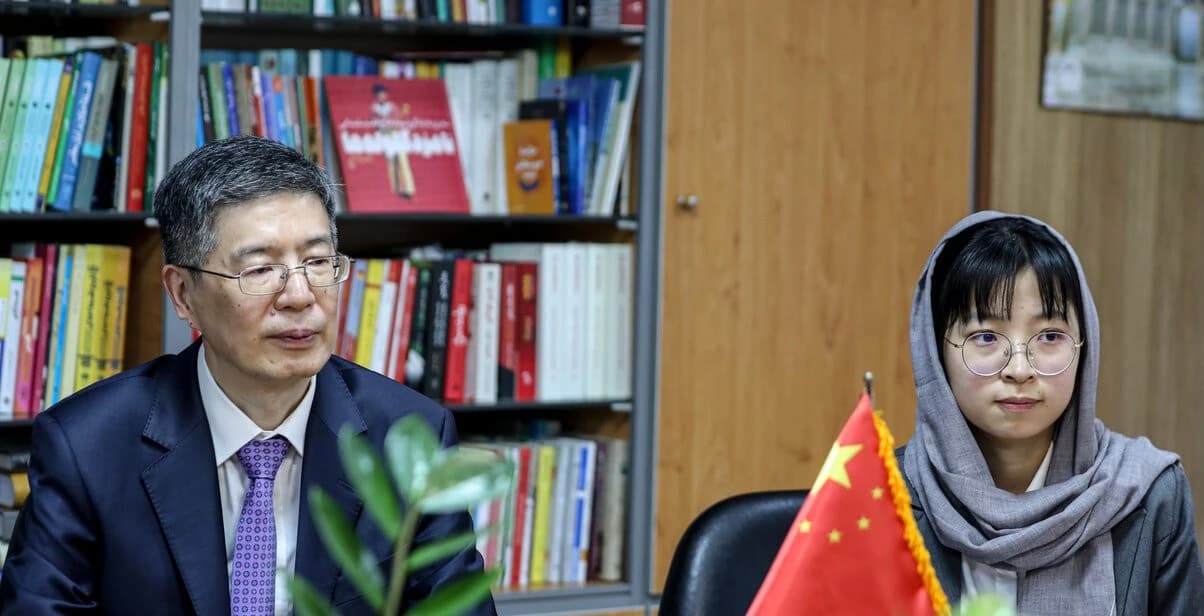
Beijing’s special envoy to the Middle East, Zhai Jun, met with Ali Bagheri Kani, deputy secretary of Iran’s Supreme National Security Council, and said China is willing to promote “new progress” in bilateral relations, according to Iran’s foreign ministry. He also said the prolonged conflict in the region cannot be resolved by force.
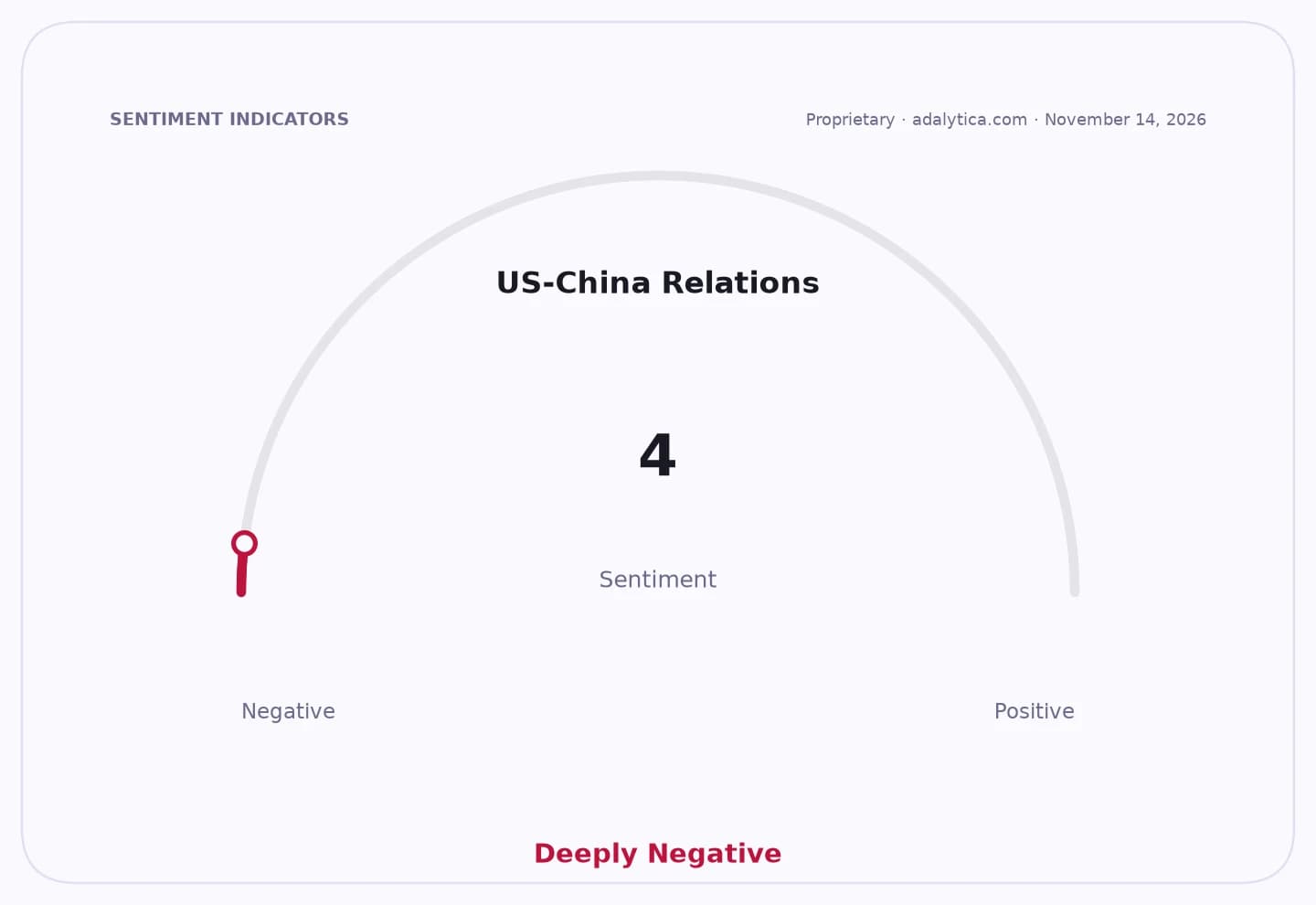
Sentiment Indicators
That message matters well beyond diplomacy. China is one of Iran’s most important economic lifelines, and any strengthening of ties can help Tehran withstand Western sanctions while preserving Beijing’s access to discounted crude and broader regional influence. For investors, that keeps a familiar risk premium alive in oil, shipping and defense-related assets, even if the rhetoric itself does not immediately move markets.
The timing is especially notable because Zhai is also visiting Oman and Saudi Arabia this month, underscoring Beijing’s effort to keep channels open with both sides of the Gulf divide. China has increasingly cast itself as a broker in Middle Eastern disputes, a role that can support its energy security while reducing the odds of a supply shock that would hit growth and inflation worldwide.
The market backdrop shows why geopolitical headlines still matter. U.S. oil fund USO remains elevated at $145.58, far above its 200-day moving average of $127.66, even after a recent pullback from earlier highs. The broader risk mood is fragile too: Adalytica’s US–China Relations Sentiment gauge is at 4.0, labeled “Extreme Fear,” a reminder that investors are already priced for a rocky geopolitical backdrop.
For long-term investors, the key takeaway is not to trade every headline, but to understand the structural forces at work. A closer China-Iran relationship can reinforce OPEC-plus style supply discipline, complicate U.S. efforts to isolate Tehran and keep energy volatility higher for longer. That is a reminder to diversify, stay invested through the noise and watch the sectors most exposed to crude prices, sanctions policy and regional instability.
| Entity | Gains | Losses |
|---|---|---|
| China | ▲Energy security, regional influence | ▼Diplomatic friction with the West |
| Iran | ▲Sanctions relief, external support | ▼Pressure to compromise |
| Oil producers | ▲Higher risk premium, stronger pricing power | ▼Importers facing cost pressure |
| Investors | ▲Opportunities in energy hedges | ▼Exposure to volatility and inflation risk |