China is stepping up its diplomatic outreach to Iran at a moment when regional stability remains fragile and energy markets are still sensitive to any sign of wider conflict.
China Deepens Iran Ties Amid Middle East Tension

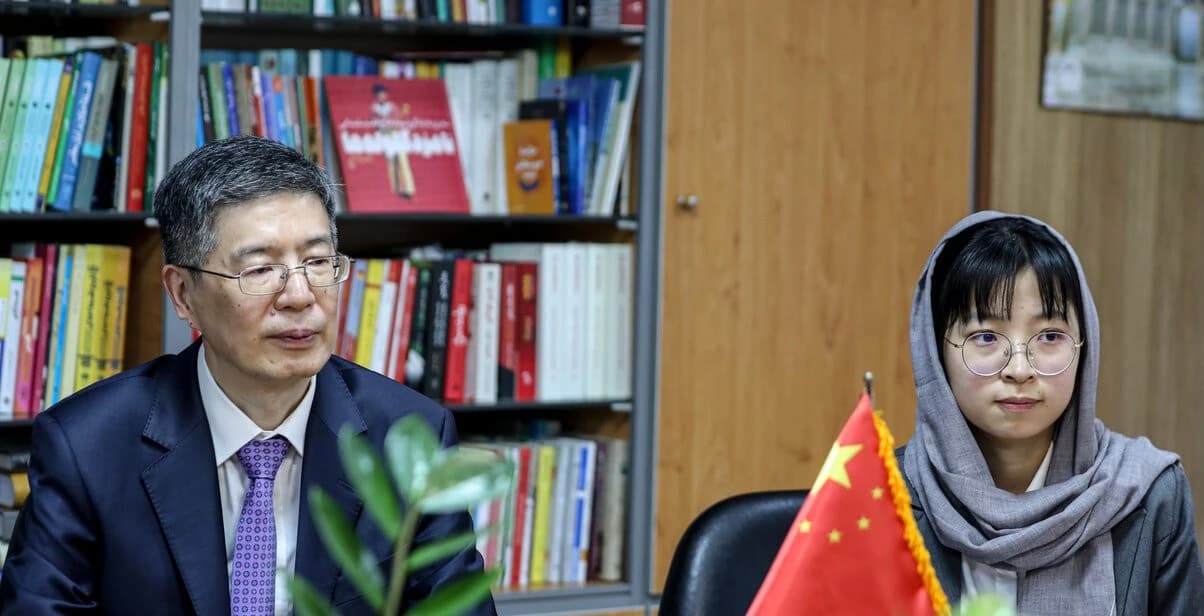
Beijing’s special envoy to the Middle East, Zhai Jun, told Iranian officials China is willing to pursue stronger ties with Tehran, according to China’s foreign ministry, as he visited Iran as part of a regional tour that also includes Oman and Saudi Arabia. The message underscores Beijing’s effort to position itself as a political mediator in the Middle East while preserving relationships with rival powers across the Gulf.
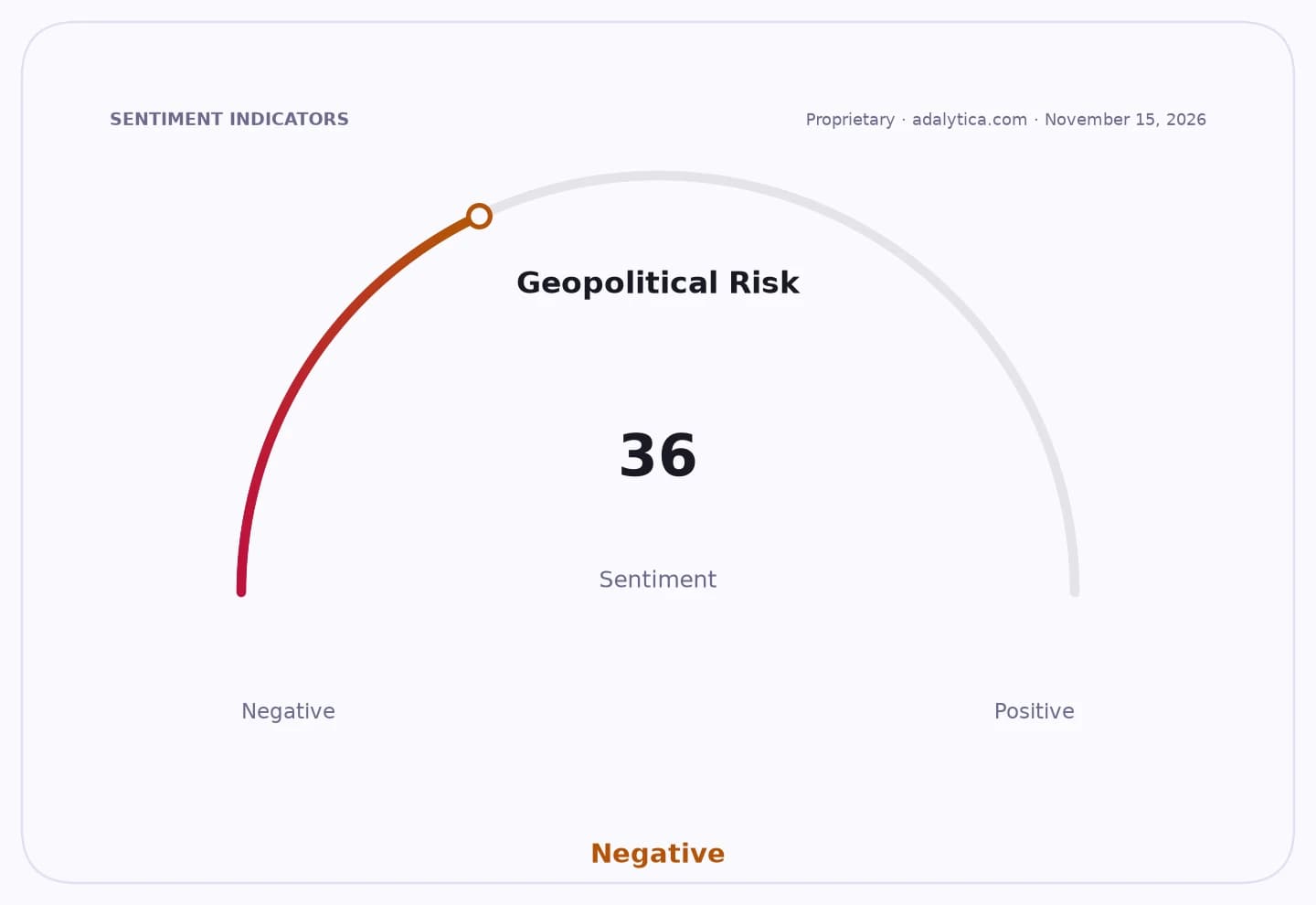
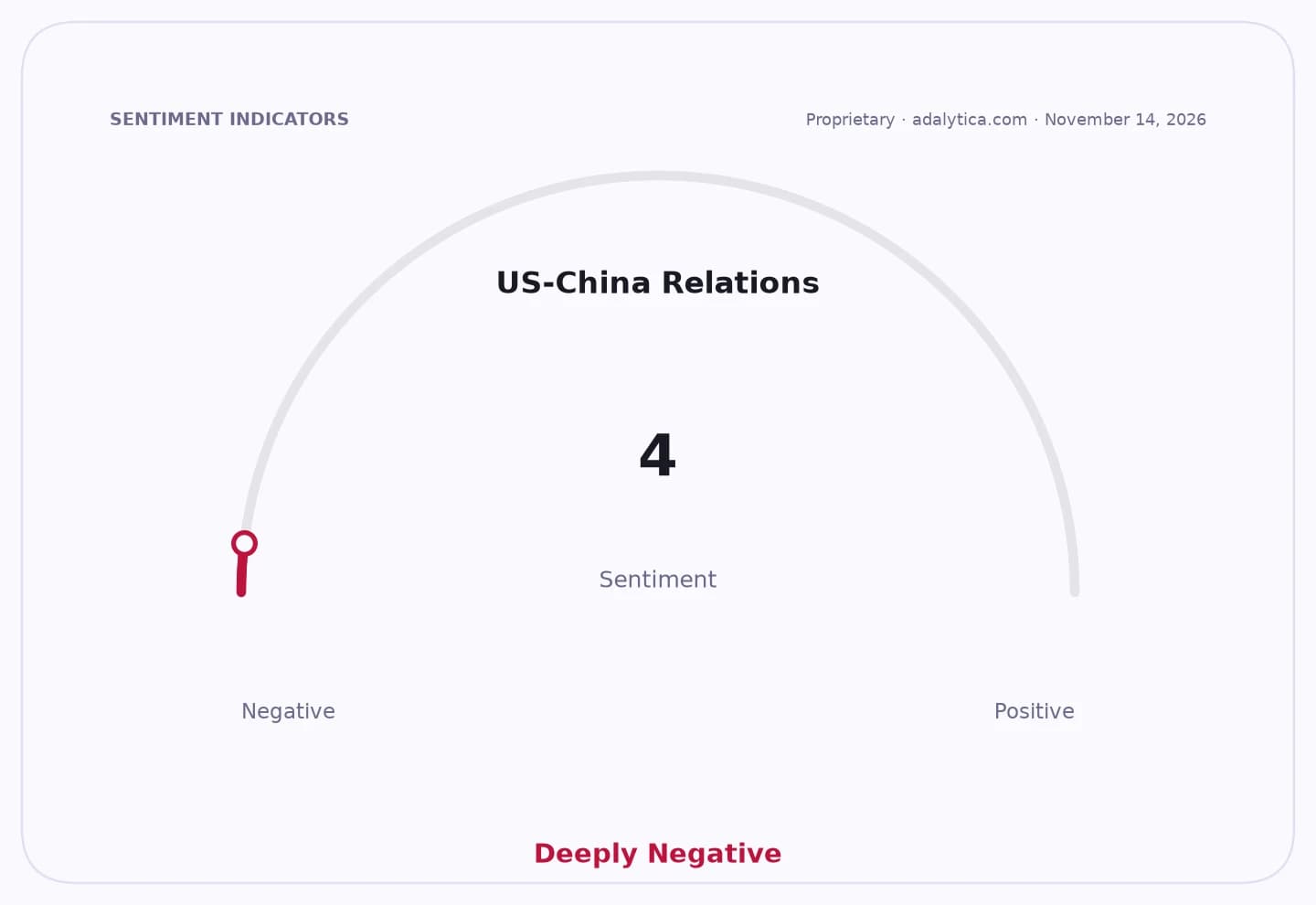
Sentiment Indicators
The timing matters because China is not just talking diplomacy; it is trying to reduce the odds that Middle East tensions spill into trade, shipping and energy prices. Chinese officials, including Foreign Minister Wang Yi, have been pressing for “political solutions” rather than renewed fighting, a stance that aligns with Beijing’s broader interest in keeping crude flows stable and avoiding shocks that can reverberate through manufacturing costs, inflation and global risk appetite.
For investors, the main transmission channel is oil. China remains one of the world’s largest buyers of crude, and any escalation around Iran typically feeds into energy volatility, shipping insurance costs and broader inflation expectations. That makes Beijing’s engagement relevant not only to diplomacy but also to portfolios exposed to oil, refiners, airlines, industrials and emerging-market risk.
Geopolitical Risk — 30-day sentimentadalytica.com
Explore this data interactively — full history, time series and cross-market comparisons.
The market backdrop shows why traders remain alert. Energy prices have been volatile this year, with the USO oil ETF still elevated even after recent swings, while the energy sector has held up better than the broad market despite bouts of profit-taking. Gold has also remained bid at times of stress, reflecting the market’s preference for havens whenever geopolitical risk rises. That pattern suggests investors are still pricing a meaningful tail risk around the region.
China’s approach also carries geopolitical weight. By deepening ties with Iran while simultaneously engaging Saudi Arabia and Oman, Beijing is trying to maintain access to both sides of the Gulf divide. That could strengthen China’s influence in Middle East diplomacy, but it also exposes the limits of its leverage: Beijing can urge restraint, yet it cannot alone resolve the underlying confrontation between Iran and its adversaries or the nuclear file that keeps sanctions and escalation risks in play.
The bull case for Beijing’s role is that sustained Chinese engagement could help preserve dialogue, reduce the probability of miscalculation and support a lower-volatility backdrop for energy markets. The bear case is that diplomatic initiatives may do little to change hard security realities, leaving oil and shipping markets vulnerable to abrupt shocks if tensions worsen.
For now, the narrative is straightforward: China wants to be seen not just as Iran’s economic partner, but as a stabilizing force in a region where the price of failure would be measured in higher oil, tighter financial conditions and more frequent risk-off moves across global markets.
| Entity | Gains | Losses |
|---|---|---|
| China | ▲Diplomatic influence | ▼Pressure if tensions rise |
| Iran | ▲International engagement | ▼Less room for escalation |
| Oil bulls | ▲Higher risk premium | ▼Lower prices if diplomacy works |
| Global consumers | ▲Stable supply hopes | ▼Energy inflation if talks fail |