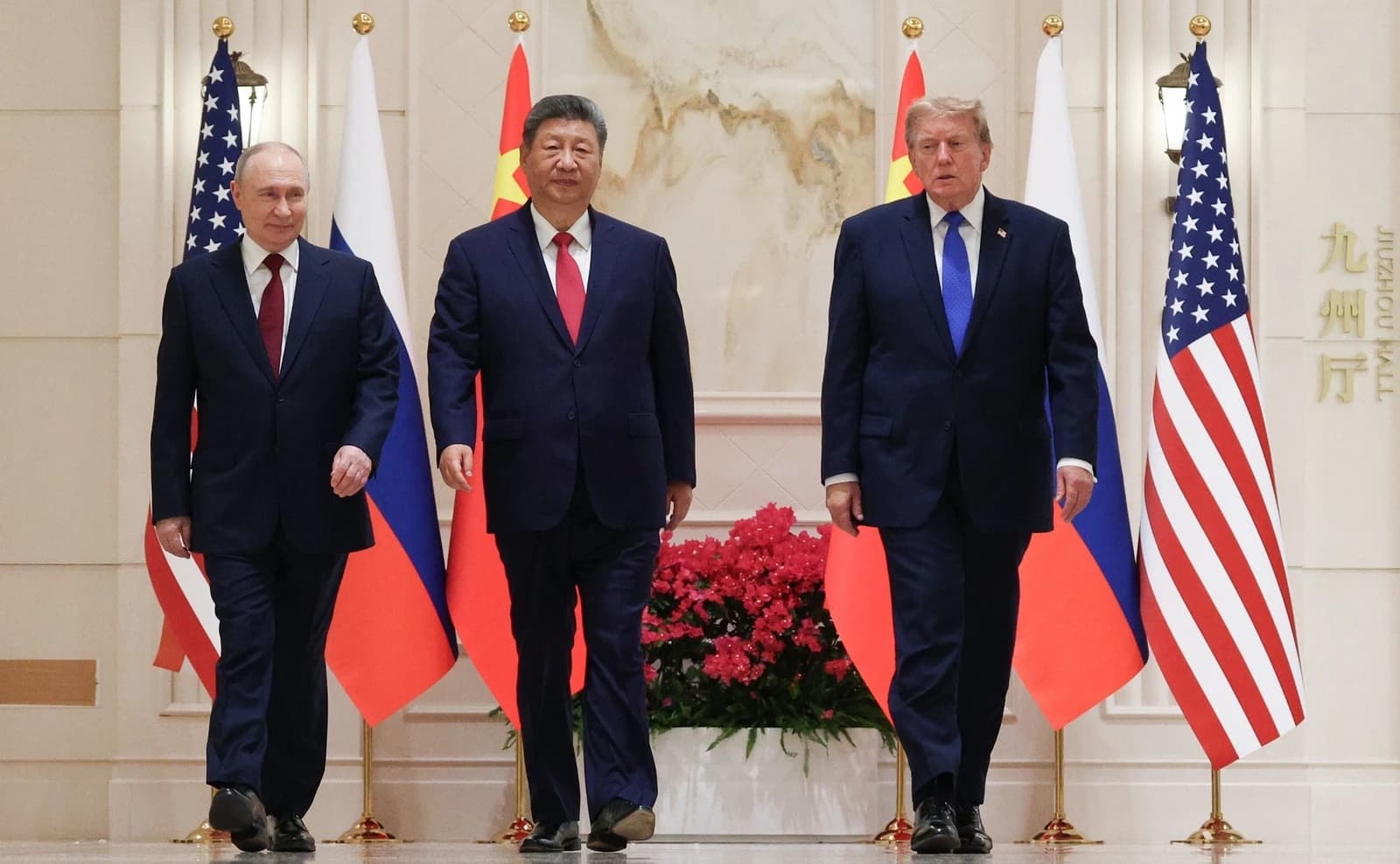
Japan’s public mood toward China and Russia has deteriorated to record lows, underscoring how geopolitics is now a direct economic risk for Prime Minister Sanae Takaichi and the companies exposed to Asia’s security realignment.
Japan Public Opinion on China and Russia Hits Record Lows
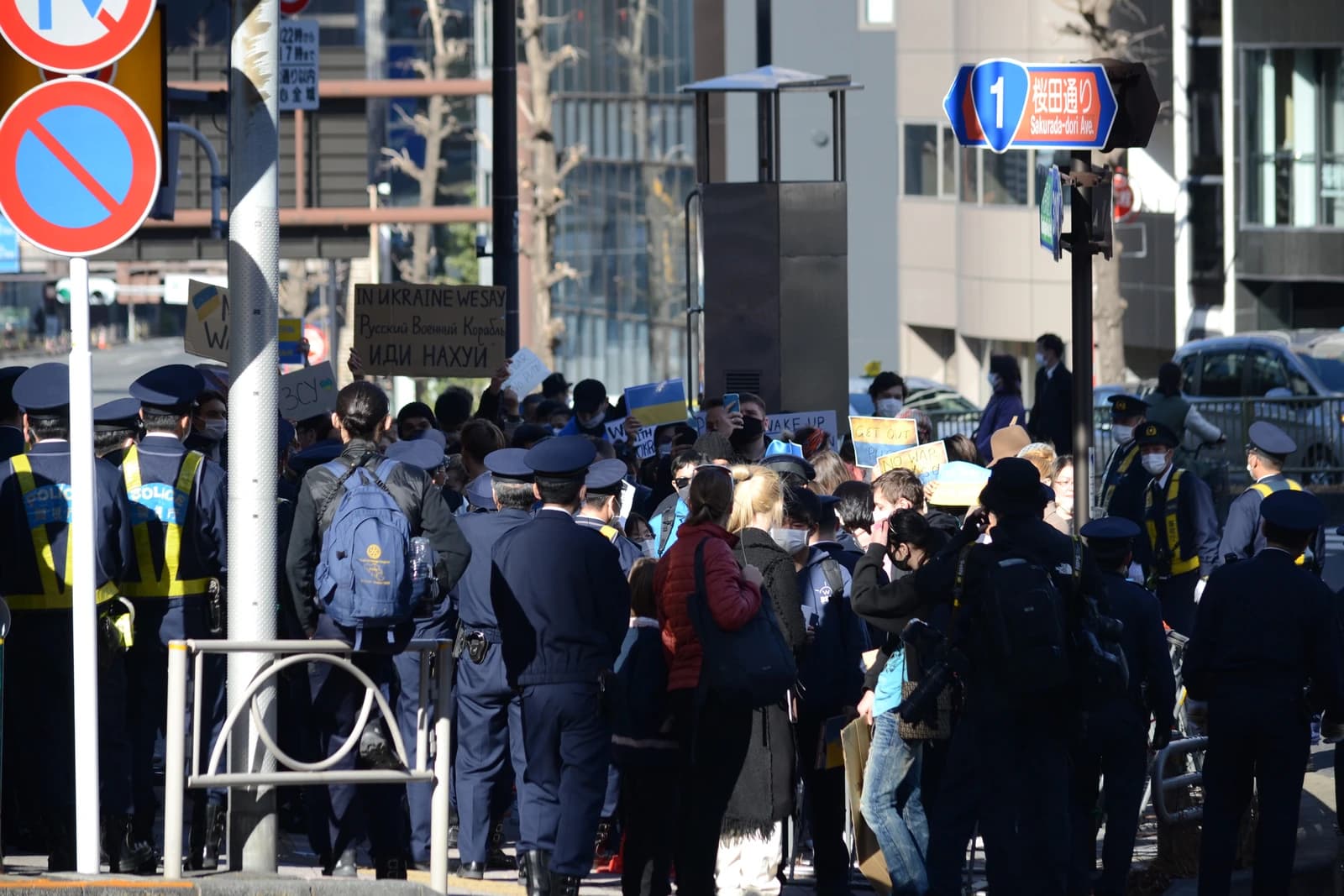
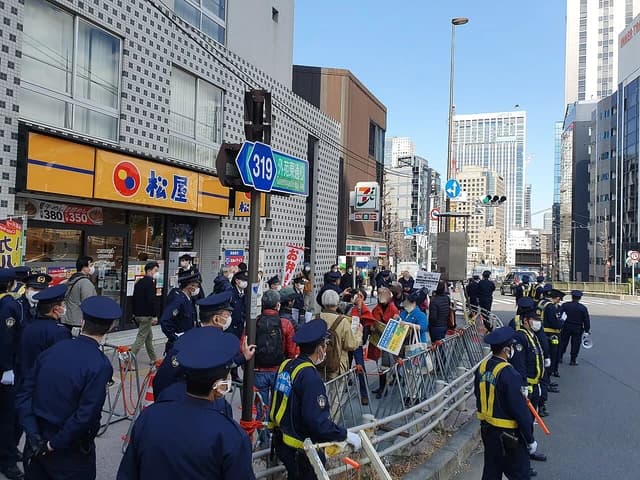
A Cabinet Office survey showed 93% of respondents viewed Japan’s ties with China as poor or somewhat poor, the highest reading since the question was first asked in 1986, while 93.7% had a negative view of relations with Russia. That matters because hostile sentiment is no longer just a diplomatic backdrop: it is hardening support for a tougher national-security posture, raising the odds of more sanctions, tighter trade controls and a longer period of friction for exporters, investors and supply chains tied to the region.
Sentiment Indicators
The timing is politically awkward for Takaichi, who ended the week of summit diplomacy in Shenzhen with strained encounters with both Xi Jinping and Vladimir Putin. She met Xi only briefly and without formal talks, while her 30-minute exchange with Putin did little to ease tensions after Moscow arrested a Japanese journalist in October and seized assets of Japan Tobacco this month. Russia’s takeover of JTI’s Russian operations is already expected to push the company into a net loss for the year, a reminder that geopolitical confrontation can quickly become a bottom-line issue for multinationals.
The survey also highlights a sharp contrast in Japan’s regional relationships. Some 62% of respondents said they felt affinity toward South Korea, up from 35% in 2020, suggesting Tokyo may deepen ties with Seoul as part of a broader alignment among U.S. partners facing a more assertive China and Russia. That is economically important because Japan’s security policy increasingly intersects with industrial policy, defense spending and the flow of capital into semiconductors, shipbuilding, cyber and dual-use technologies.
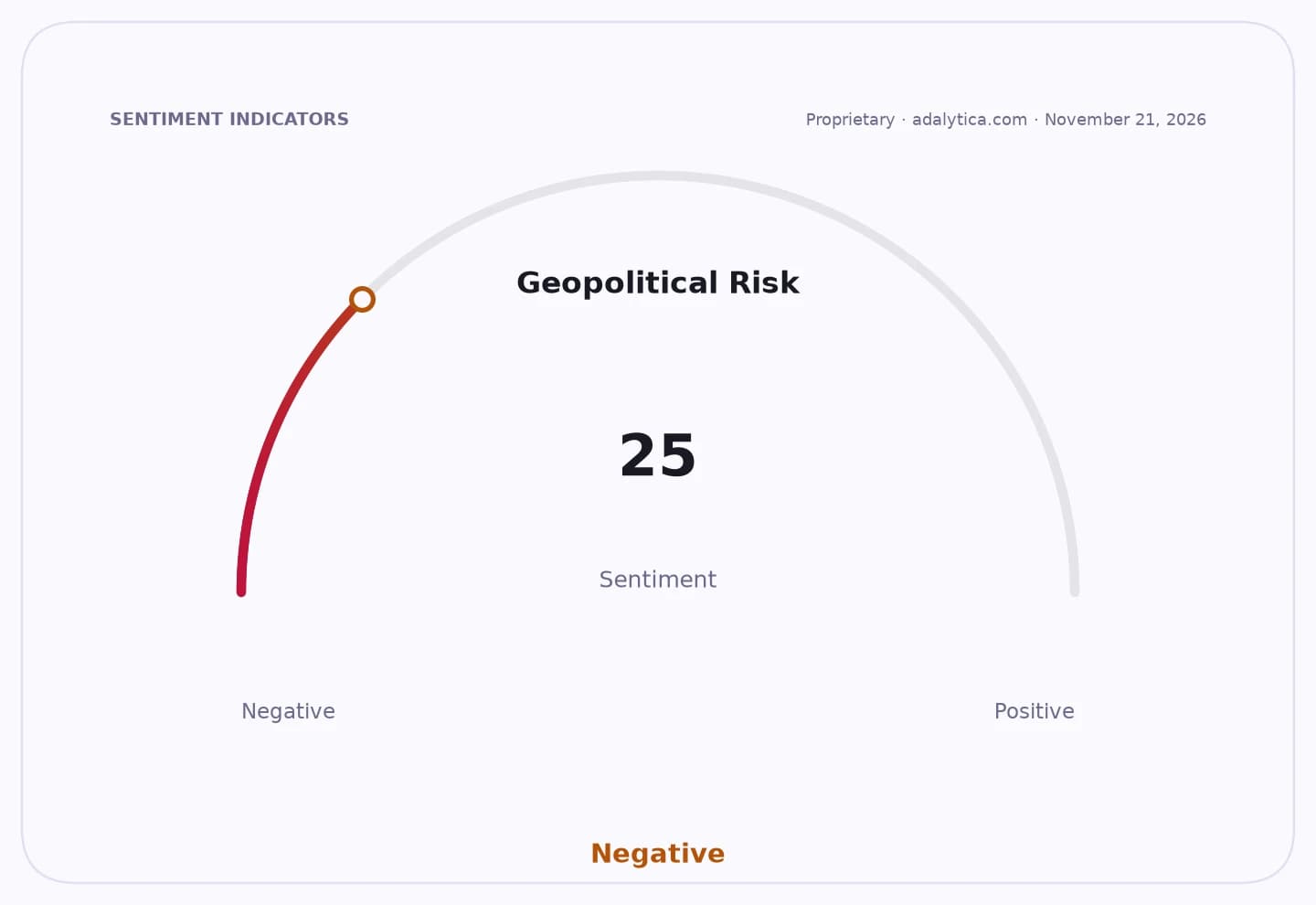
Geopolitical Risk
For investors, the message is not simply that Japan is unpopular with its neighbors; it is that the premium for geopolitical insulation is rising. Companies with heavy China or Russia exposure face more headline risk, more regulatory friction and potentially more disruption to operations and sales. By contrast, defense contractors, cybersecurity names, LNG-linked infrastructure plays and Japan-focused firms with limited Russian exposure may benefit as Tokyo reallocates resources toward resilience and deterrence.
Markets have started to reflect that harsher backdrop. The Japan-focused EWJ exchange-traded fund has slipped to $83.43, below both its 50-day and 200-day moving averages, while the China-heavy FXI fund has fallen to $31.23, also under both key technical averages. That lines up with Adalytica’s US–China relations sentiment gauge, which sits at an extreme-greed reading of 89 even as the broader global stability gauge points to fear, a sign that geopolitical headlines remain capable of reversing positioning quickly.
The bigger trade is that Japan’s diplomatic squeeze is becoming an allocation story. If relations with China and Russia keep worsening, the winners are likely to be the names tied to national security, supply-chain diversification and friend-shoring; the losers are the companies and funds still priced for a calmer Asian order.
| Entity | Gains | Losses |
|---|---|---|
| Japan defense and cyber stocks | ▲higher spending tailwind | ▼less relevant trade friction risk |
| Exporters with China/Russia exposure | ▲— | ▼tariffs, controls, disrupted sales |
| Japan Tobacco | ▲domestic political support narrative | ▼Russia asset seizure, net loss |
| EWJ / Japan-focused ETFs | ▲selective defense-heavy rotation | ▼geopolitical risk discount |
| FXI / China equities | ▲potential policy stimulus offset | ▼worsening Japan-China ties |