Malaysia’s economic and institutional progress depends on public servants, professionals and academics refusing to trade integrity for rank, pay or convenience, Sultan Nazrin Muizzuddin Shah warned as Universiti Malaya celebrated a stronger global standing.
Malaysia Sultan Urges Integrity as UM Rises in Rankings
The Perak ruler’s message matters because it goes beyond ceremony: in a country trying to improve governance, productivity and investor confidence, even small acts of concealment, falsification or complacency can distort policy, weaken project delivery and impose real economic costs. His warning that “one falsified figure” can affect policy and “one concealed negligence” can cost lives speaks directly to the quality of institutions that underpin growth.
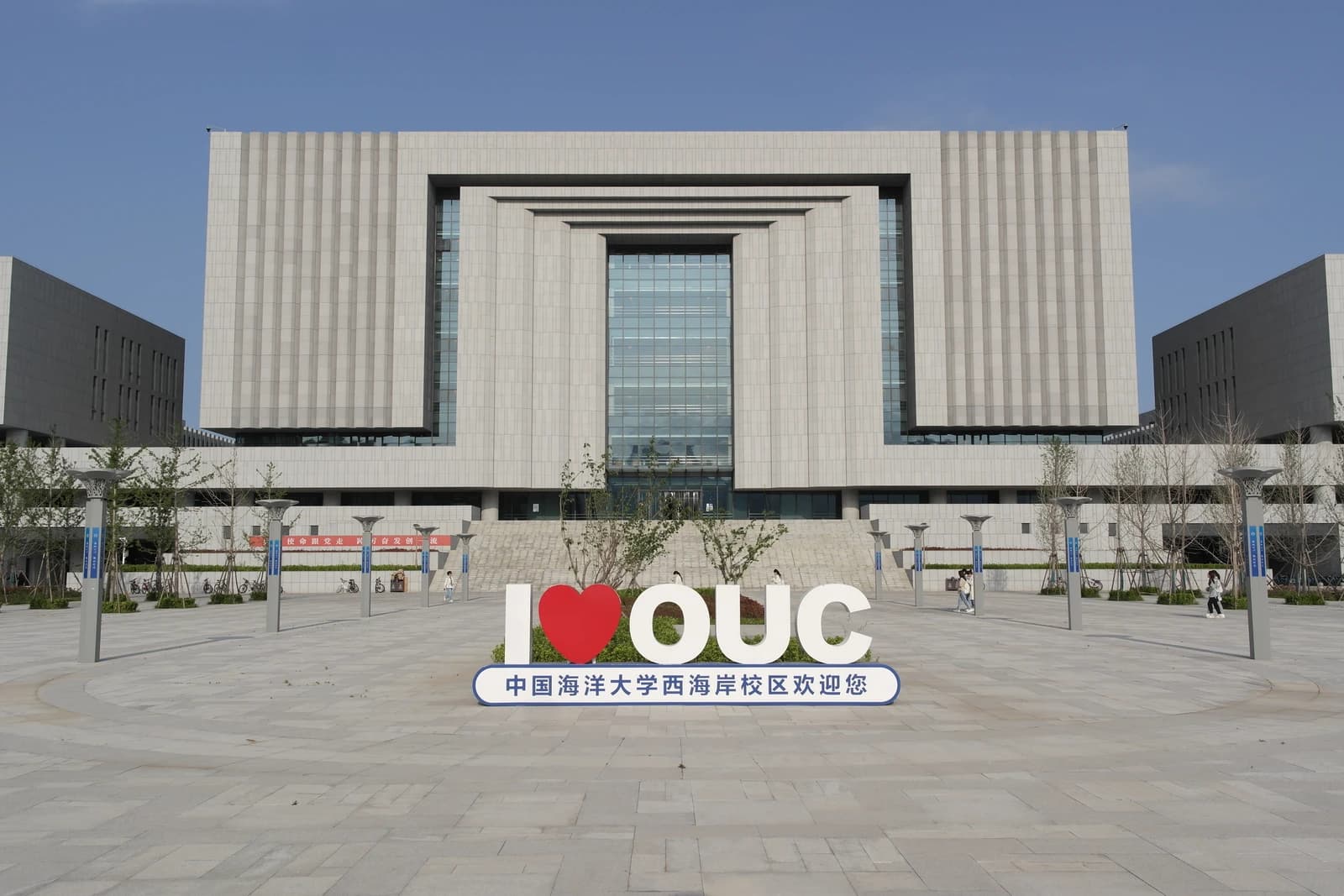
The remarks came as UM marked its 66th convocation with 11,842 graduates, while also highlighting a jump to 56th in the QS World University Rankings and a place in the top 200 of the Times Higher Education list. For Malaysia, those achievements matter not just as prestige metrics but as signals that the country can produce talent competitive enough to support higher-value industries, research-led growth and a more sophisticated labour market.
That is where the economic argument becomes sharper. Malaysia is trying to move up the value chain, attract investment and strengthen its reputation as a stable, rules-based destination in Southeast Asia. That requires engineers, doctors, scientists, managers and civil servants who can resist pressure to manipulate numbers, hide defects or rubber-stamp weak decisions. In practical terms, integrity reduces the risk of cost overruns, project delays, safety failures and governance scandals that can weigh on fiscal resources and corporate balance sheets.
For investors, the message is relevant because governance quality increasingly shapes country risk, not just corporate earnings. Strong universities and credible institutions support a deeper talent pool, while a culture that rewards ethical judgement improves the odds of cleaner execution in infrastructure, healthcare, education and public administration. The reverse is also true: weak accountability raises the discount investors apply to long-term Malaysian assets.
The Sultan also tied knowledge to responsibility, saying greater education brings greater obligation to tell the truth and avoid misleading others. That framing fits Malaysia’s broader challenge as it seeks to strengthen ASEAN cooperation and preserve stability in a region exposed to environmental, political and supply-chain shocks. Better institutions are part of that resilience.
UM’s ranking gains and the size of this year’s graduating class give the speech additional weight: Malaysia is producing more graduates, but the economic payoff depends on whether those graduates carry the discipline to defend facts under pressure. If they do, the country’s ambitions for higher productivity and stronger governance become more credible. If they do not, the costs will show up first in public trust and eventually in growth.
| Entity | Gains | Losses |
|---|---|---|
| Malaysia’s institutions | ▲Credibility and efficiency | ▼Governance slippage |
| University of Malaya | ▲Prestige and talent appeal | ▼Pressure to sustain standards |
| Graduates and professionals | ▲Clear ethical benchmark | ▼Short-term incentives to compromise |
| Investors and taxpayers | ▲Lower governance risk | ▼Costs from weak oversight |