Malaysia’s artificial intelligence build-out is under fresh scrutiny after Washington tightened restrictions on advanced AI chips, a move that could complicate some data centre projects serving Chinese customers but leave many local facilities tied to U.S. tech groups relatively insulated.
Malaysia AI data centers face U.S. chip curbs
That distinction matters because Malaysia’s boom has been driven less by a single domestic AI champion than by its role as a regional hosting base for cloud and data infrastructure. If the new U.S. curbs bite hardest on China-linked workloads, the immediate risk is not a broad collapse in investment, but a split market in which projects with Chinese exposure face delays, licensing hurdles or redesigns, while sites built for American hyperscalers and enterprise users continue to expand.
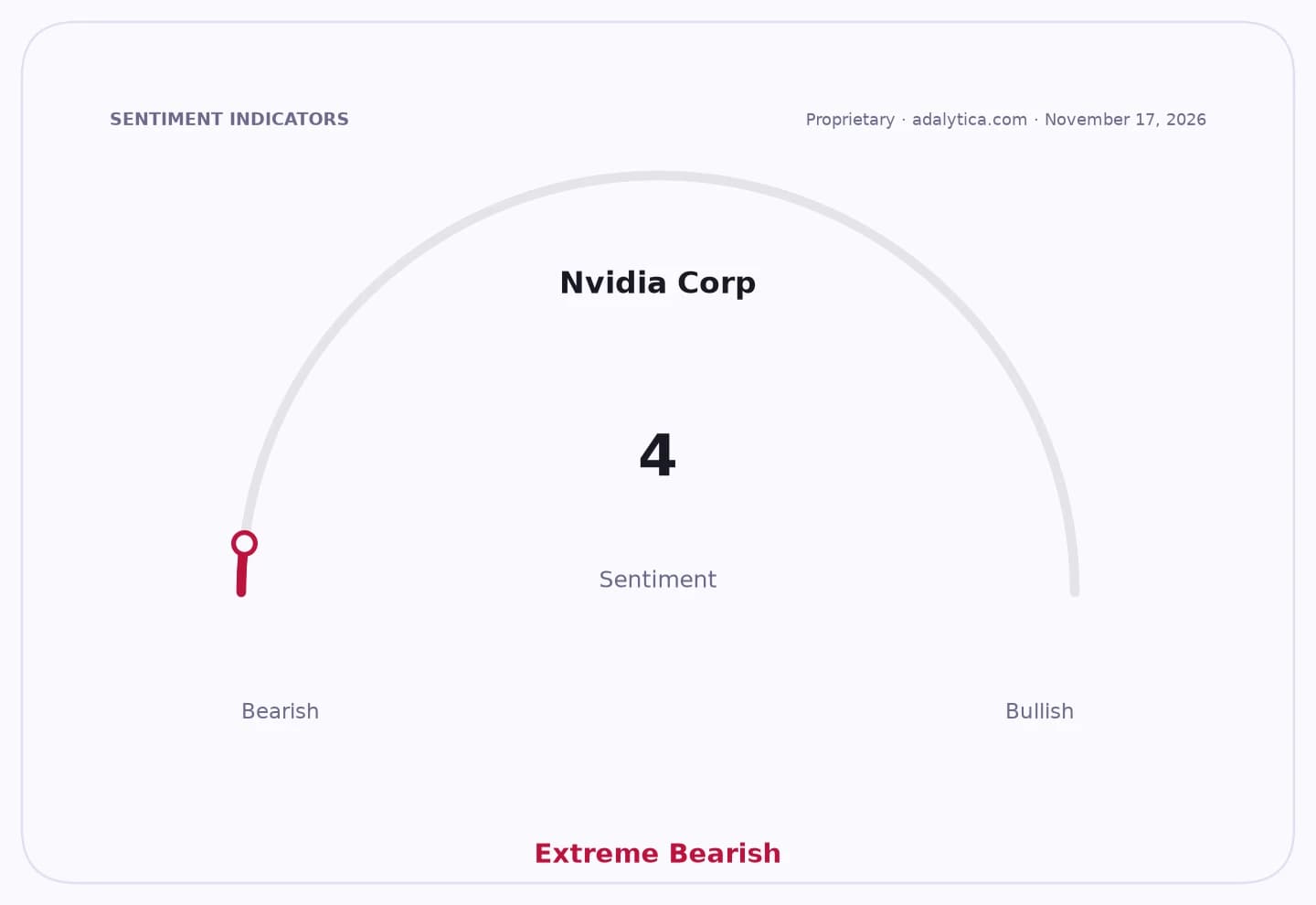
Sentiment Indicators
The economic stakes are significant. Data centres have become one of Malaysia’s most visible technology-growth engines, pulling in construction, power, cooling and telecom investment while supporting high-value engineering work. A tighter U.S. export regime raises the cost of compliance and could force developers to rework chip sourcing, server specifications and customer contracts, especially where advanced accelerators are involved. That could slow some capital deployment and reduce near-term project economics even if the broader investment cycle remains intact.
The market reaction suggests investors are parsing winners from losers rather than pricing in a full reversal of the sector. Shares in AI-linked names have become more volatile: the U.S.-listed AI stock tracked here fell to $9.95 on Nov. 17 from $12.16 a month earlier, with the 50-day moving average still above the price and RSI at 26.9, a level that points to oversold conditions. That kind of price action reflects heightened concern around policy risk, even as the underlying AI demand story has not disappeared.
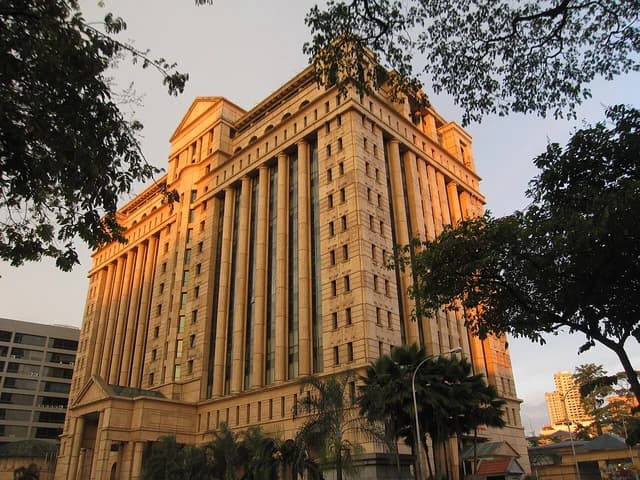
In Malaysia, the most exposed developers are those with customers or supply chains tied to China-facing AI workloads, where the U.S. increasingly wants to prevent advanced chips from being diverted into restricted uses. By contrast, local contractors building for American technology companies are less likely to be caught in the crossfire, because those projects are more likely to be structured around compliant supply lines and cloud demand from global enterprises.
That leaves Malaysia in a familiar position for fast-growing emerging-market tech hubs: benefiting from the AI capex boom while remaining vulnerable to geopolitics set in Washington and Beijing. For investors, the key question is not whether AI demand is fading, but which parts of the ecosystem can keep growing under tighter trade rules and which ones will need more time, more paperwork and potentially lower margins.
The next catalyst is whether the U.S. enforcement approach remains targeted or broadens into a wider clampdown on regional data centre supply chains. If it stays narrow, Malaysia’s boom may slow at the edges rather than break. If it expands, the country’s pitch as a neutral AI infrastructure hub could become much harder to sustain.
| Entity | Gains | Losses |
|---|---|---|
| U.S. hyperscalers in Malaysia | ▲Greater compliance clarity | ▼Higher procurement costs |
| China-linked data centre projects | ▲Short-term operating continuity | ▼Chip access and project timing |
| Malaysian contractors | ▲Ongoing build-out work | ▼Margin pressure from redesigns |
| U.S. regulators | ▲Tighter export control reach | ▼Risk of investment diversion |