US tightening of semiconductor rules is starting to bite into Southeast Asia’s data center expansion, threatening one of the region’s fastest-growing sources of investment and a key engine for broader economic growth.
US Chip Curbs Slow Southeast Asia Data Centers
That matters because data centers are not just a tech story in Singapore, Malaysia, Thailand and neighboring markets — they are a capital-spending story, an electricity story and, increasingly, a GDP story. If Washington’s export controls make it harder to source advanced chips, equipment and supporting hardware, the region’s buildout slows, forcing developers to delay projects, trim capex and rethink timelines just as global AI demand is pushing power and cloud capacity higher.
Sentiment Indicators
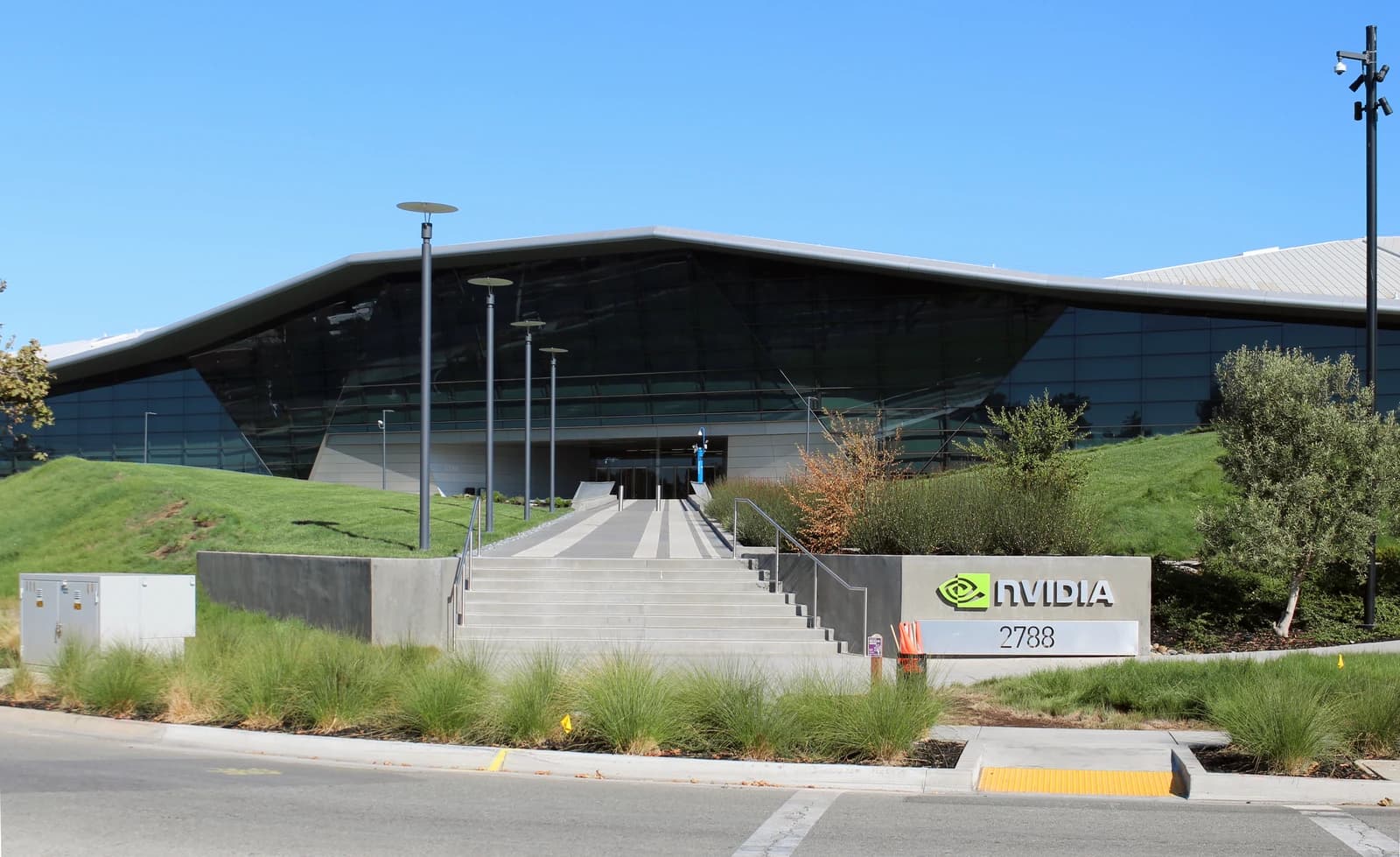
The market impact is already showing up in the chip complex. Nvidia has fallen to $156.14 from above $220 in late October, with its 16 RSI reading pointing to deeply oversold conditions after a sharp selloff. AMD has also given back ground to $504.28 from an early-November surge above $580. The pressure reflects not only valuation reset, but investor concern that tighter US restrictions will crimp downstream demand, complicate supply chains and limit sales into markets outside China as well.
That is the second-order risk the market may still be underpricing. Southeast Asia has been emerging as a beneficiary of supply-chain diversification and AI infrastructure spending, with local data center operators, utilities and construction firms positioned to capture the spillover. If the regulatory regime becomes more restrictive, the region loses a chunk of the foreign direct investment and associated job creation that has been helping offset slower manufacturing growth elsewhere.
The macro backdrop makes that more important, not less. US 10-year Treasury yields are back near 5.15%, a level that raises the hurdle rate for capital-intensive projects, while Adalytica’s global stability gauge has dropped to “Extreme Fear.” In that environment, higher financing costs and more political friction can quickly turn a boom into a pause, especially in markets where land, power and permitting are already constraints.
For investors, the message is clear: the next leg of the AI trade may not be the headline chipmakers, but the infrastructure toll roads around them. Equinix, at $1,043.06, remains a key beneficiary of structural demand for interconnection and enterprise colocation, and its long-term chart still shows a stock holding near its 200-day moving average despite volatility. The more important opportunity may sit in power, cooling, networking and regional infrastructure names that can capture demand even if chip shipments and project starts get more complicated.
The market underestimates how much of Southeast Asia’s data center boom depends on frictionless access to advanced semiconductors and imported systems. If US rules stay tight, the effect will be broader than a single sector slowdown: it will reshape capital allocation, delay some regional megaprojects and keep pressure on the fastest-growing pockets of Asia’s investment cycle. For long-term investors, that argues for owning the picks-and-shovels winners while staying selective on the most chip-dependent developers.
| Entity | Gains | Losses |
|---|---|---|
| US chip curbs | ▲More strategic leverage | ▼Southeast Asia data center buildout |
| Power and infrastructure providers | ▲Higher demand for capacity | ▼Chip-dependent developers |
| Equinix and peers | ▲Interconnection tailwind | ▼Delayed project pipeline |
| Nvidia and AMD | ▲Long-term AI demand remains | ▼Near-term export-driven sales risk |