The U.S. Treasury’s plan to broaden restrictions on outbound investment would tighten Washington’s grip on American capital flowing into sensitive foreign technology, a step that could reshape cross-border financing, pressure multinational dealmaking and add another layer of uncertainty to already fragile risk assets.
U.S. Treasury Plans Wider Outbound Investment Limits
The proposal matters economically because outbound investment controls are no longer just a national-security screen; they are becoming a capital-allocation rule with direct consequences for corporate strategy, fund flows and access to growth markets. If finalized in expanded form, the program would make it harder for U.S. investors to back companies in sectors Washington views as strategically sensitive, especially advanced technologies tied to military or dual-use applications.
Sentiment Indicators
That would likely hit venture capital, private equity and corporate investment teams first. U.S. firms with exposure to China or other restricted jurisdictions could face higher compliance costs, narrower investment universes and more frequent divestment decisions. For companies selling chips, software, industrial technology or equipment into those markets, the rules could also reinforce a broader decoupling trend already visible in export controls, supply-chain reshoring and tighter scrutiny of cross-border partnerships.
The policy backdrop is one of persistent geopolitical tension. Beijing has urged Washington not to widen the restrictions, underscoring how investment rules have become part of a larger economic standoff over technology leadership. The move follows a pattern of reciprocal controls that has already complicated market access for semiconductor, AI and advanced manufacturing firms, and it raises the prospect that capital markets will become more segmented along strategic lines.
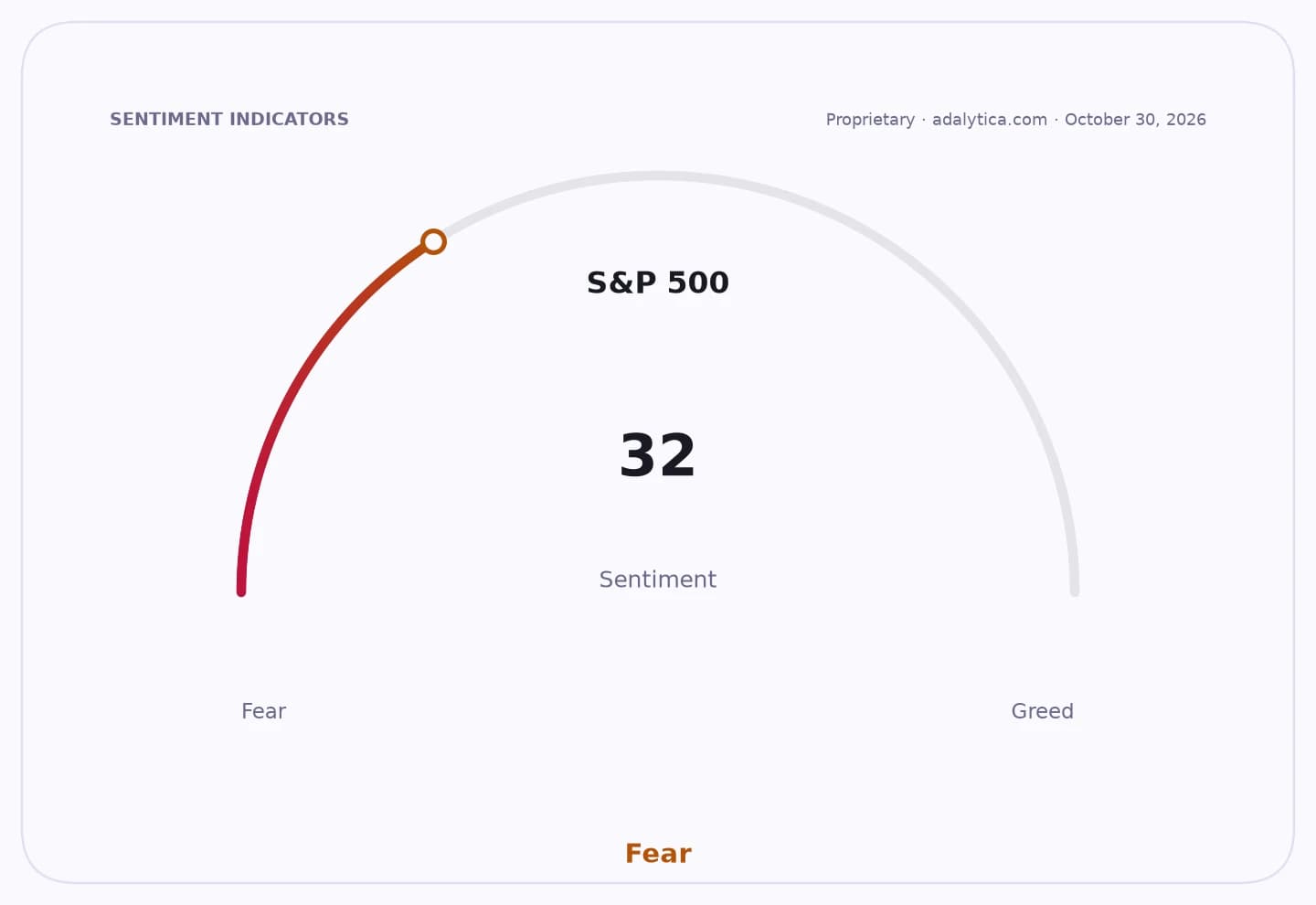
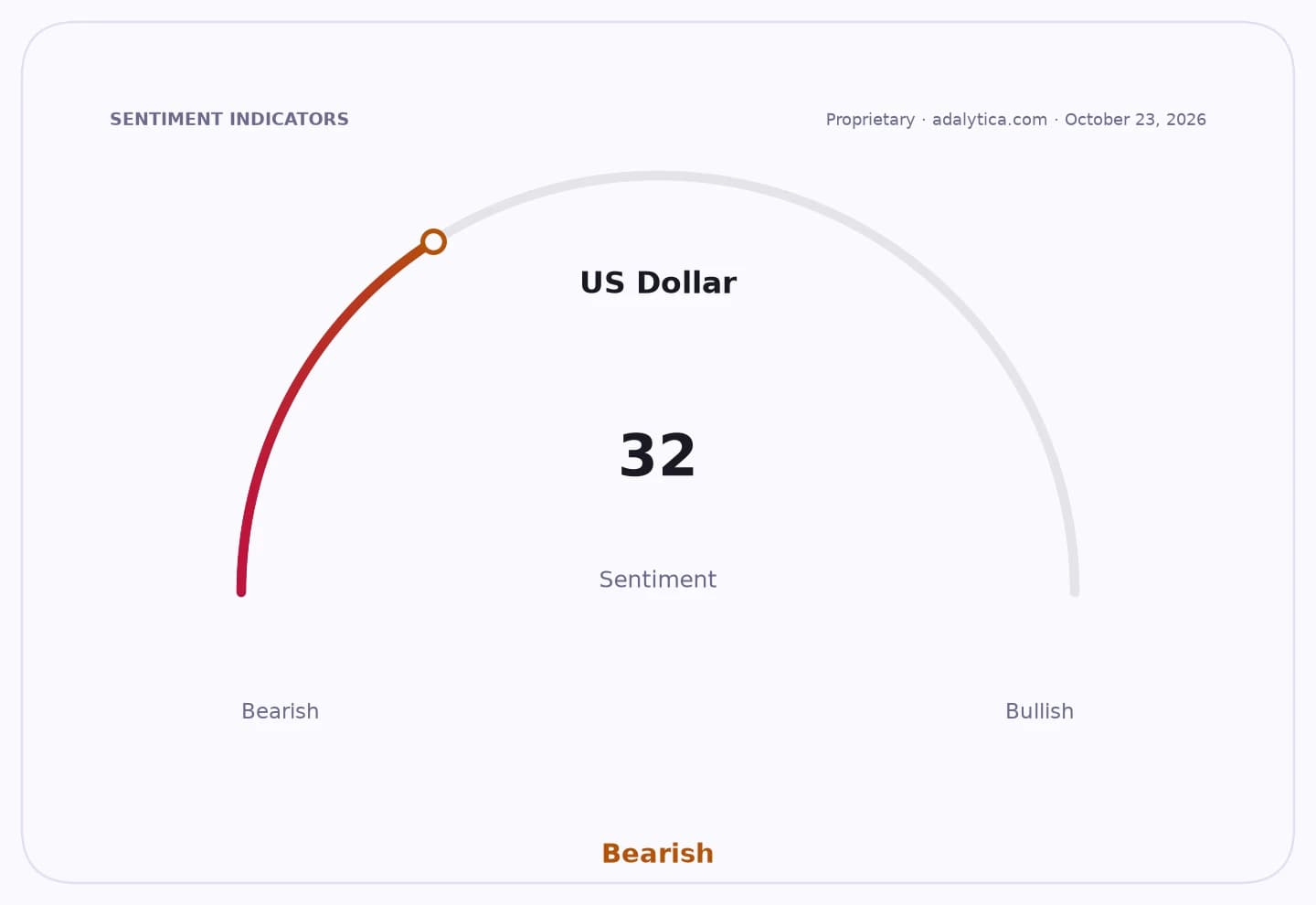
For investors, the immediate issue is not just direct exposure to the targeted sectors but the second-order effects on valuations, deal flow and earnings visibility. The S&P 500, tracked by SPY, has been trading near its 50-day moving average while sentiment gauges show neutral readings even as market awareness remains elevated, suggesting investors are alert to policy risk without fully pricing a broader shock. Treasury yields near 4.9% and a weaker dollar also point to a market already balancing growth concerns against policy uncertainty.
The bull case for tighter outbound rules is that they reduce long-run strategic risk, improve visibility around U.S. technology policy and limit the transfer of capital and know-how to competitors. The bear case is that they fragment global investment markets, reduce returns for U.S. institutions and encourage retaliatory measures that further complicate international capital allocation.
More broadly, the proposed expansion suggests Washington is prepared to use outbound capital as a lever alongside tariffs, export controls and sanctions. That makes the next phase of rulemaking important not only for China-sensitive investors, but for anyone allocating to technology, venture capital or global growth assets in an environment where geopolitics is increasingly part of the pricing model.
| Entity | Gains | Losses |
|---|---|---|
| U.S. national security planners | ▲tighter capital screening | ▼less investment flexibility |
| China-linked tech firms | ▲none | ▼less U.S. capital access |
| U.S. investors | ▲clearer rules | ▼narrower deal universe |
| Global tech markets | ▲policy visibility | ▼cross-border valuation pressure |