The U.S. Treasury is moving to widen restrictions on U.S. investment in foreign technology companies, a step that could choke off capital to Chinese and other “countries of concern” just as Washington sharpens its effort to slow military-relevant advances in semiconductors, supercomputing and next-generation AI.
U.S. Treasury proposes wider outbound tech rules
S&P 500
The proposed rules would expand the outbound investment security regime Congress codified in last year’s defense bill, adding new technologies and tighter limits on transactions involving China, Hong Kong, Macau, Russia, Iran, North Korea, Cuba and, under the proposal, Venezuela would not appear to meet the definition as written. Treasury said the plan is designed to stop U.S. money from helping adversaries build systems that could support surveillance, cyber operations and military modernization.
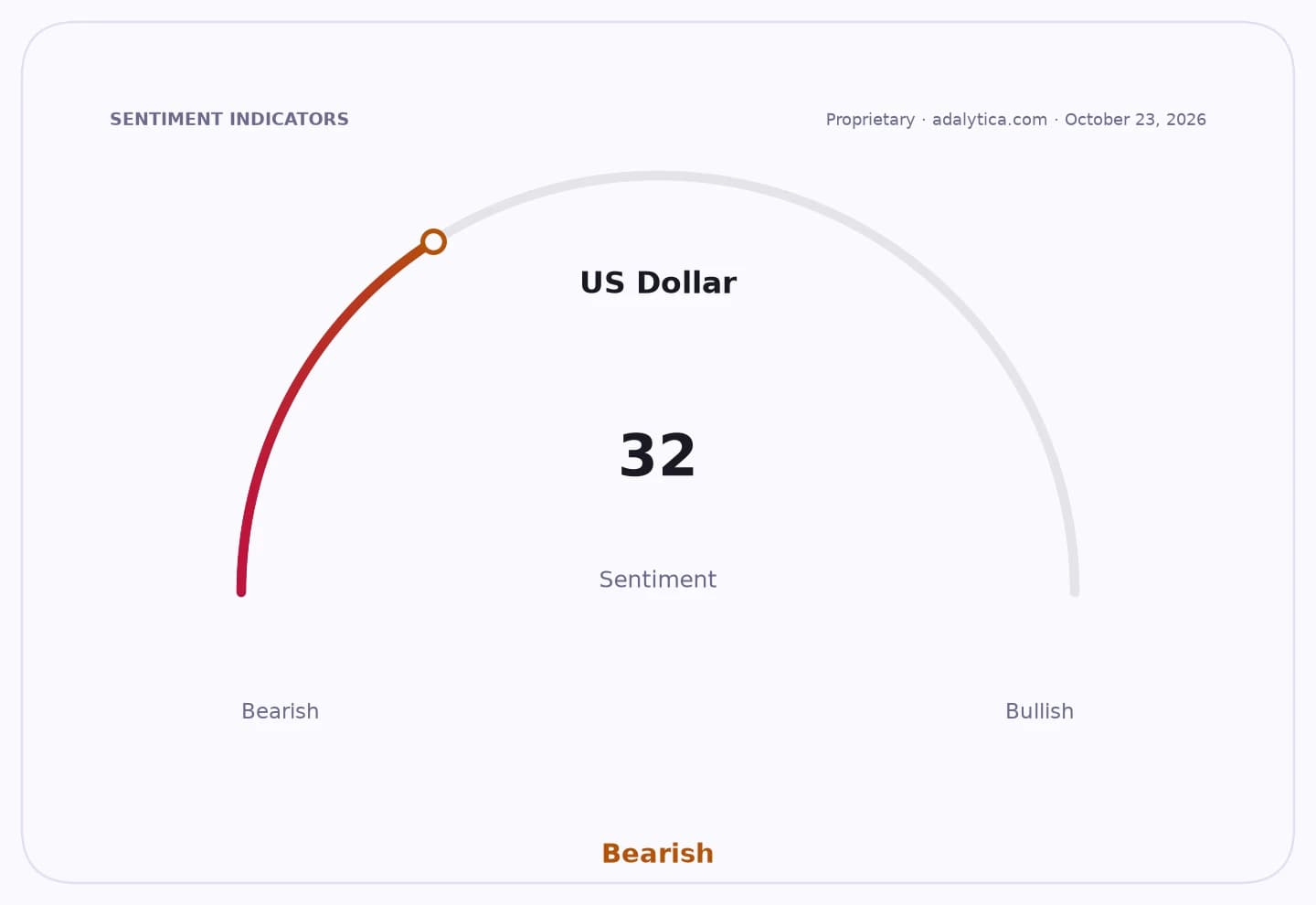
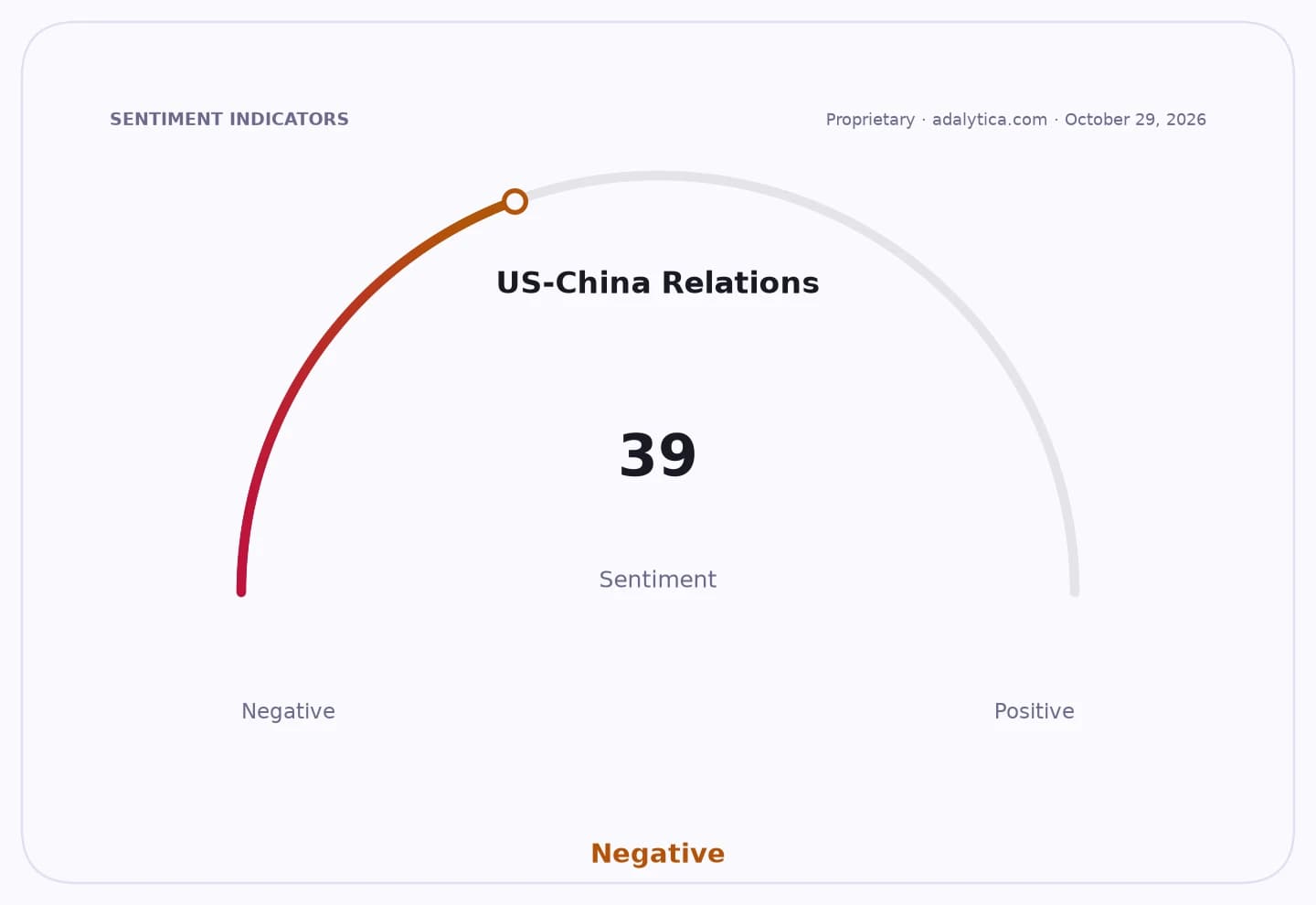
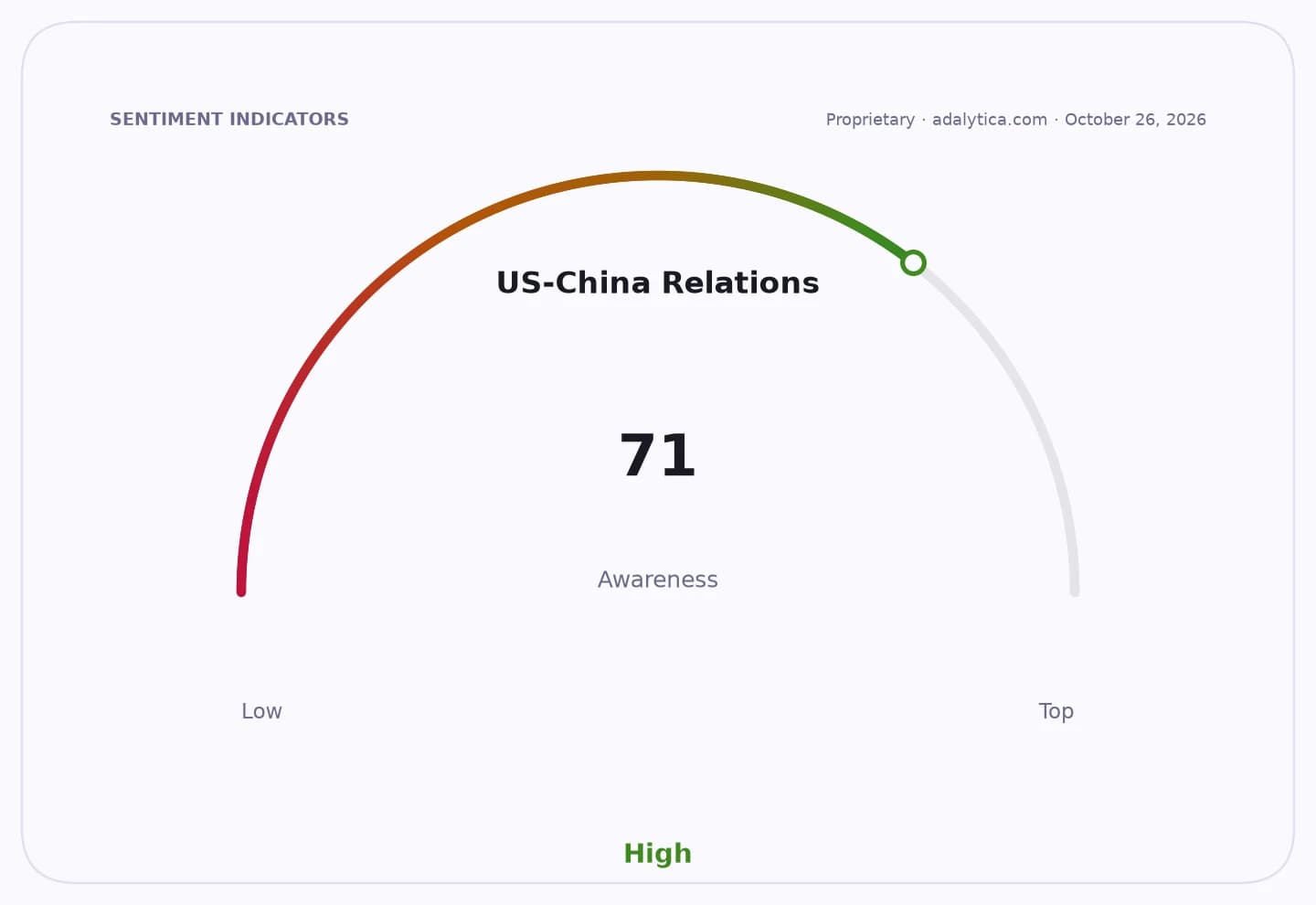
Sentiment Indicators
That matters because the policy reaches beyond a narrow sanctions list and into the machinery of venture capital, private equity, corporate expansions and some limited-partner commitments. Investors would have to police whether a deal is prohibited, merely notifiable or exempt, with penalties tied to the International Emergency Economic Powers Act and the possibility of forced divestment in some cases.
The proposal broadens the scope well past the original 2023 White House order that targeted semiconductors, quantum and artificial intelligence. Treasury now wants to add biotechnology, hypersonic systems and more categories of chips and advanced computing, including radiation-hardened and photonic integrated circuits, high-bandwidth memory and more tightly defined supercomputer links.
For markets, the clearest read-through is to the semiconductor complex and AI-adjacent names that are already trading under the shadow of tighter U.S.-China technology controls. VanEck Semiconductor ETF SMH fell 8.1% to $519.30 on Oct. 30 from a day earlier, while Invesco QQQ dropped 3.6% to $689.59, reflecting broader risk aversion around tech policy and growth stocks.
Chip-equipment makers such as Applied Materials and Lam Research, along with design-software, memory and advanced-packaging suppliers, are likely to face the most scrutiny if the rules make it harder for U.S. capital to back foreign expansion in sensitive technologies. Nvidia has already warned in regulatory filings that export controls and sanctions can disrupt supply chains, demand and distribution, underscoring how quickly policy can feed into revenue assumptions and valuation multiples.
The Treasury notice does include important carveouts for publicly traded securities, ETFs and mutual funds, and small limited-partner stakes, which should limit the blow to broad portfolio flows. But the direction of travel is clear: Washington is turning outbound capital into a national-security tool, not just a market-access issue, and that raises the compliance burden for funds that invest across borders.
Comments are due by Dec. 7, after which Treasury will issue a final rule that sets the effective date. Until then, investors are likely to keep pricing in a slower, more selective flow of U.S. capital into sensitive Asian tech ecosystems, with chips, AI and quantum names most exposed to the next round of policy tightening.
| Entity | Gains | Losses |
|---|---|---|
| U.S. Treasury | ▲Stronger national-security controls | ▼More compliance burden |
| U.S. investors | ▲Clearer rules, some fund exemptions | ▼Fewer deal opportunities |
| China-linked tech firms | ▲None | ▼Less U.S. capital access |
| Semiconductor and AI equities | ▲Defensive flows in exempted vehicles | ▼Valuation pressure from curbs |