The biggest investment implication from Washington’s latest defense warning is not a coming war, but a coming shortage: if the U.S. keeps shifting ships, missiles and air defenses toward the Middle East, it risks thinning its ability to deter China in the Western Pacific by 2027.
Defense Stocks Rise on U.S. Munitions Replenishment
That is the economic and market crux behind a report delivered to President Donald Trump, according to diplomatic sources cited by Eram News, which says Chinese assessments are now openly testing whether Washington can sustain two simultaneous strategic theaters. For investors, that makes the defense trade less about headline conflict risk and more about a durable rearmament cycle, with replenishment, munitions and missile defense emerging as the clearest beneficiaries.
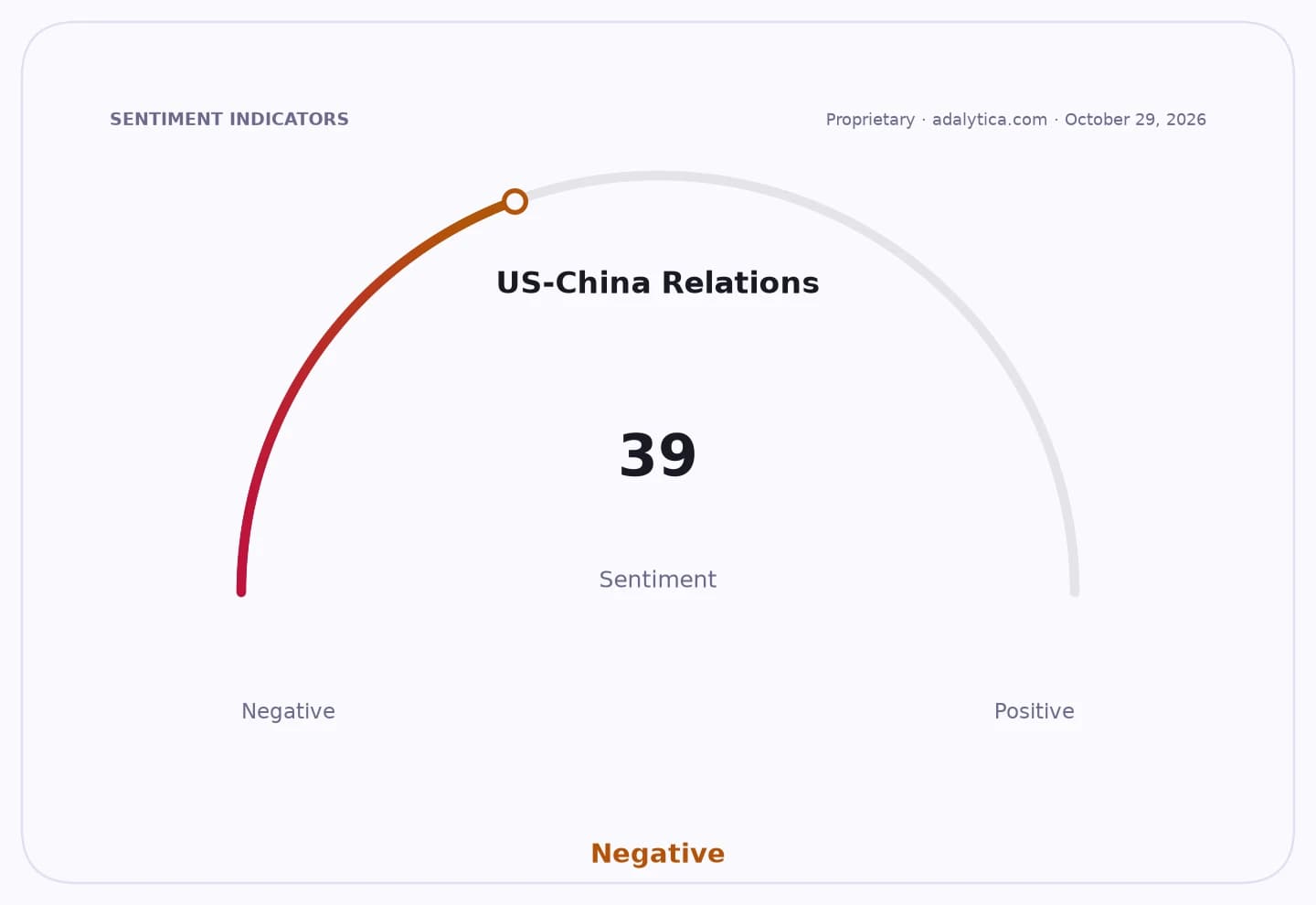
Sentiment Indicators
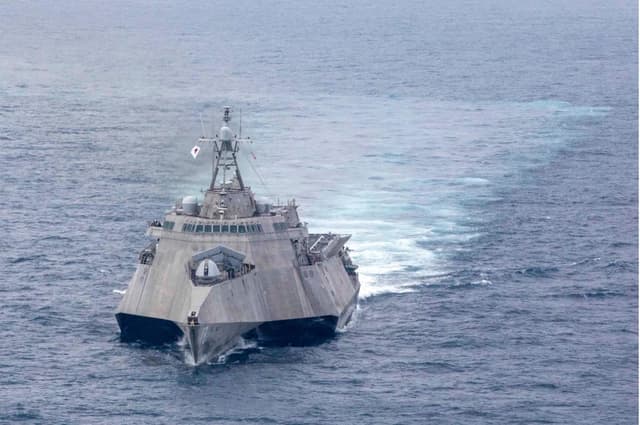
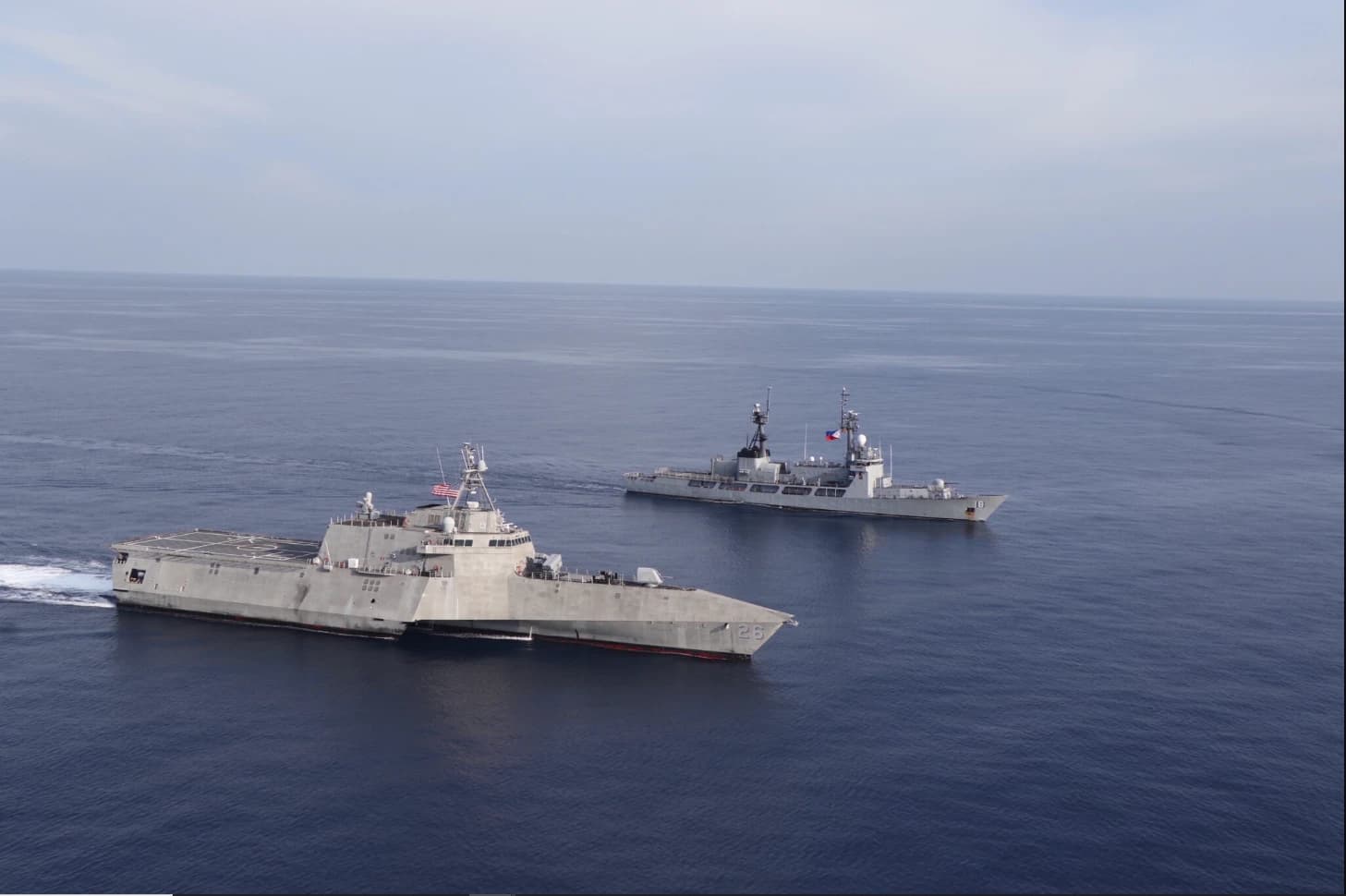
The report’s core warning is simple: repeated U.S. deployments tied to Iran are not only consuming assets in the Middle East, they are also reducing the visible American footprint in the South China Sea and broader Indo-Pacific. Chinese estimates, as relayed in the report, suggest that by 2027 the balance of deterrence in the South China Sea could shift if Washington remains stretched. Some U.S. sites in the Indian Ocean and Western Pacific could see military assets fall by more than 50%, while activity such as air sorties, exercises and drills could drop by more than 60%.
That matters because deterrence is a balance-sheet business. Fewer assets forward-deployed means less reassurance for allies such as Japan, South Korea, the Philippines and Australia, and a greater chance that Beijing interprets U.S. strain as operational opportunity. In practical terms, China does not need to push the U.S. out of the region; it only needs Washington to look overextended.
Geopolitical Risk
The most important second-order effect is on munitions. The report says U.S. officials are also weighing the depletion of interceptor and long-range missile stocks used in the Iran fight, with some replenishment cycles potentially taking two years. That creates a classic bottleneck: the U.S. can surge capability into one theater, but replacing it takes time, industrial capacity and budget authority. In a world of overlapping crises, that becomes a strategic vulnerability and an earnings tailwind for the defense supply chain.
That is why shares of defense contractors remain the cleaner trade than the broader market. Lockheed Martin, which makes Patriot PAC-3 MSE and THAAD systems, is already pointing to multi-year contracts intended to accelerate production. Its stock has surged to around $639, far above its 200-day moving average near $564, reflecting how investors are already pricing in the missile-defense supercycle. Northrop Grumman, via the ITA defense ETF, is trading near $216, with the ETF holding above its 50-day average even as it remains below the 200-day line, a sign the sector still has room to re-rate if replenishment orders keep building.
The other clear winner is the munitions and air-defense ecosystem. If the Pentagon has to rebuild interceptor inventories while maintaining readiness in Europe, the Middle East and the Indo-Pacific, suppliers with bottleneck exposure to missile production, shipbuilding and integrated air defense should see the best order visibility. That includes prime contractors and their subcontractor networks, not just the headline names.
| Entity | Gains | Losses |
|---|---|---|
| Lockheed Martin | ▲Missile-defense demand | ▼Inventory shortages ease |
| Northrop Grumman / ITA | ▲Replenishment cycle | ▼Budget delay |
| China | ▲Regional leverage | ▼U.S. deterrence holds |
| U.S. allies in Asia | ▲More U.S. spending | ▼Confidence gaps widen |