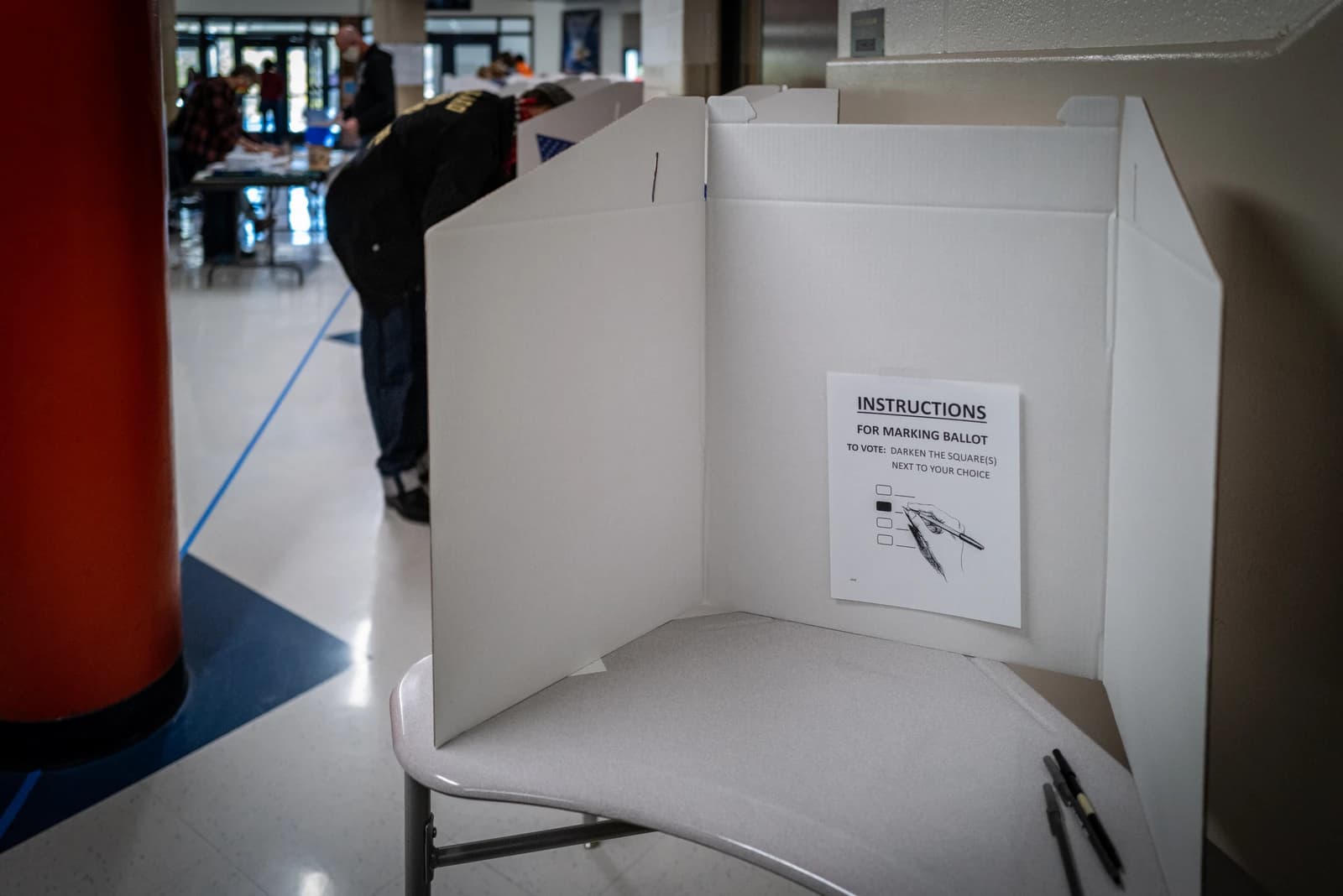
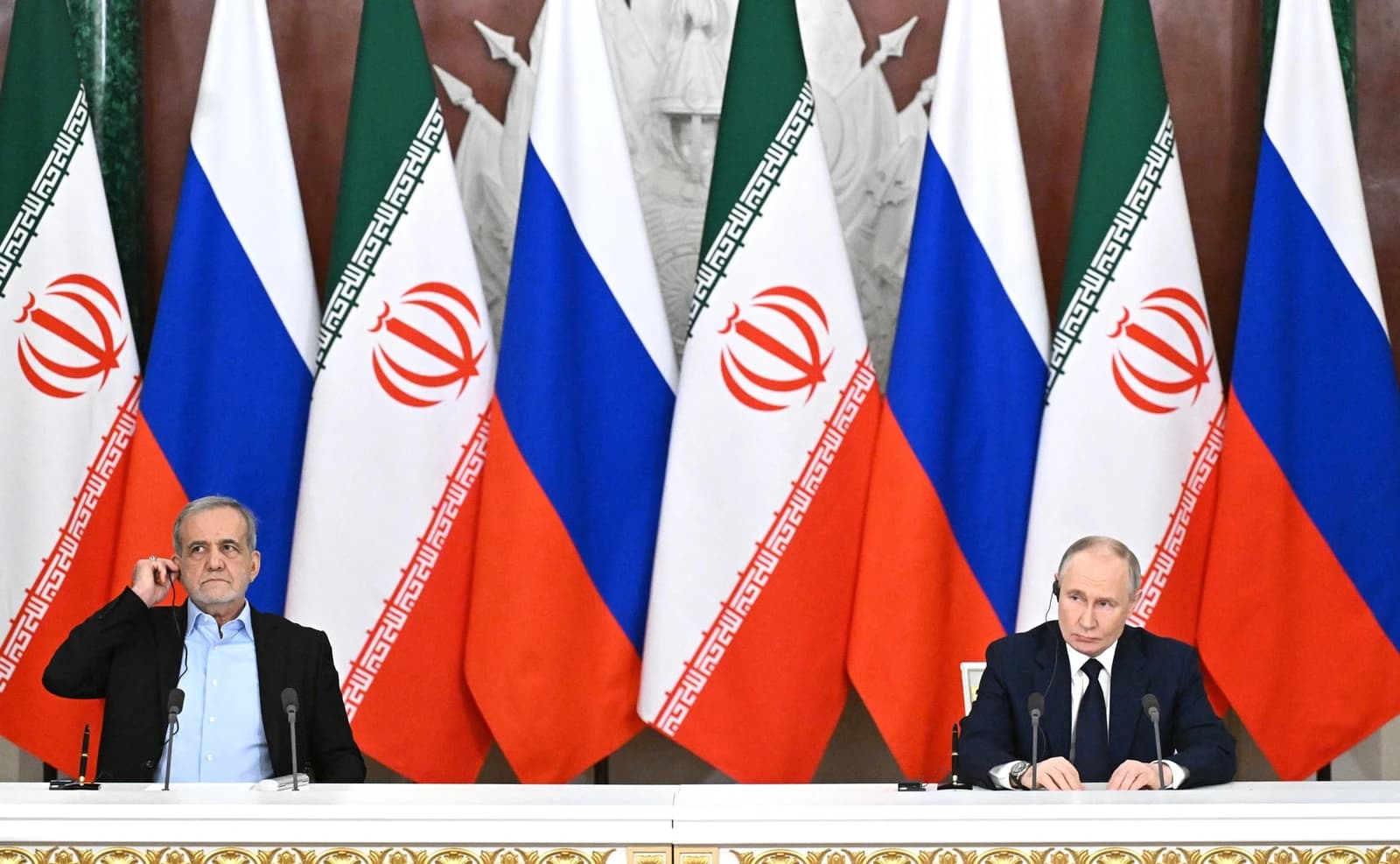
The biggest market risk from the U.S. midterm elections is not who wins Congress, but who keeps control of the war in Iran: the president. For investors, that matters because a more hostile Congress can investigate, criticize and try to constrain military action, but it is unlikely to stop a determined commander in chief from escalating, de-escalating or striking back — and that makes oil, defense and the broader risk mood vulnerable to decisions that will still be made in the White House.
Iran conflict risk after the midterm elections
That is the core lesson of history, and it is exactly why Tehran’s apparent focus on the elections may be misplaced. As the seed headline suggests, Congress could change hands and still fail to alter the strategic math. A president can veto restrictions on military operations, and overriding that veto takes two-thirds majorities in both chambers — a bar that is rarely met, especially on war powers. Even when lawmakers are skeptical, they are often reluctant to cut off funding for troops already in harm’s way.
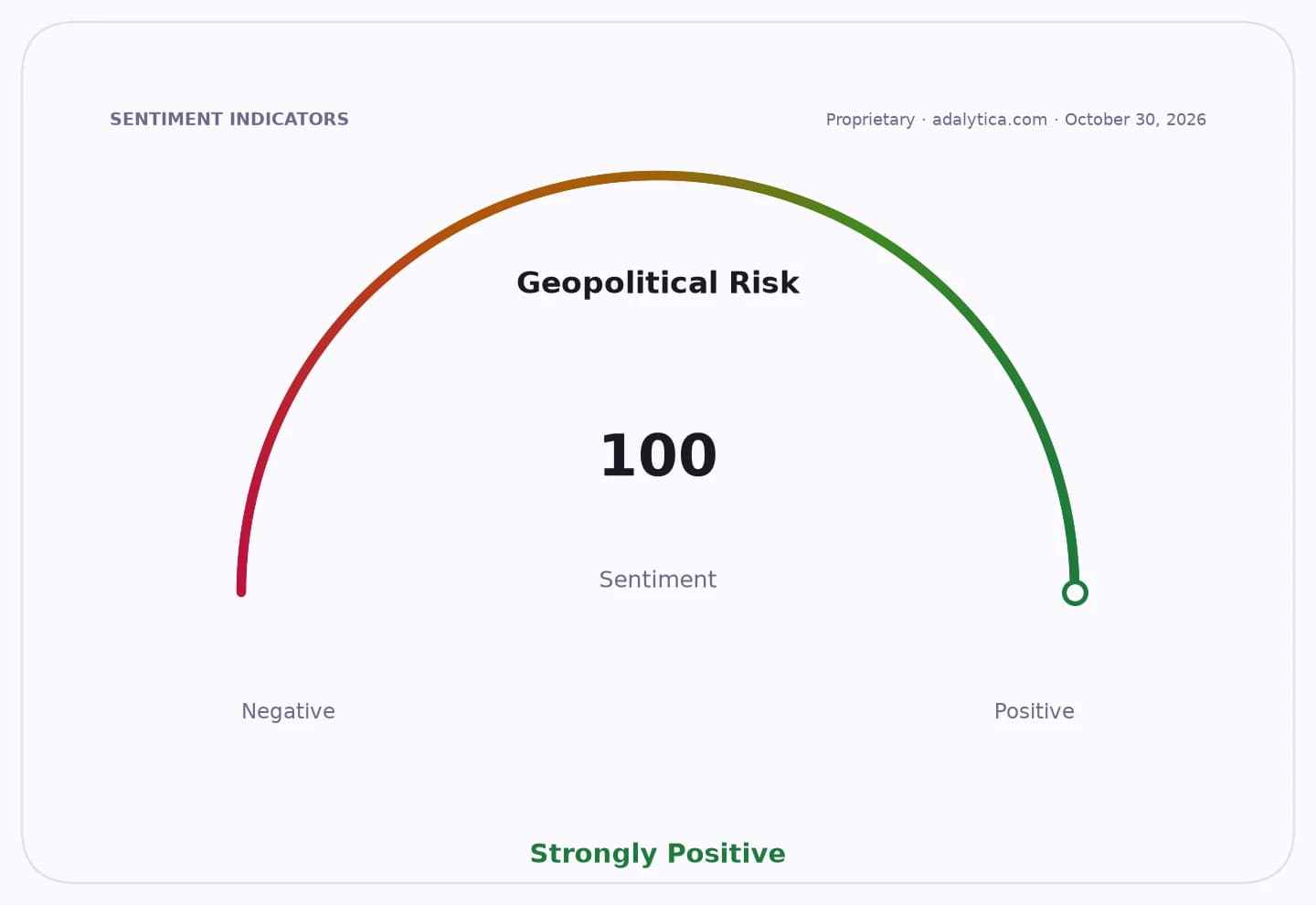
Sentiment Indicators

The economic stakes are straightforward. If conflict around the Strait of Hormuz intensifies, energy markets will feel it first. Crude oil has already been highly sensitive to Middle East headlines, with West Texas Intermediate futures in the context reaching about $169.53 a barrel on Oct. 23 before easing to $166.23 two sessions later. That is not a normal geopolitical premium; it is a reminder that the world’s most important oil chokepoint still has the power to move inflation expectations, transport costs and consumer sentiment almost overnight.
That helps explain why energy stocks have outperformed. The XLE energy ETF closed at $69.64 on Oct. 26, up sharply from $42.60 in mid-December, while RSI readings in the context sat in the mid-70s, a sign the sector has been strong enough to look extended by conventional technical measures. Chevron and other large producers benefit when oil stays elevated, while airlines, refiners, chemical users and consumers pay the price through higher input costs.
Geopolitical Risk — 30-day sentimentadalytica.com
Explore this data interactively — full history, time series and cross-market comparisons.
S&P 500
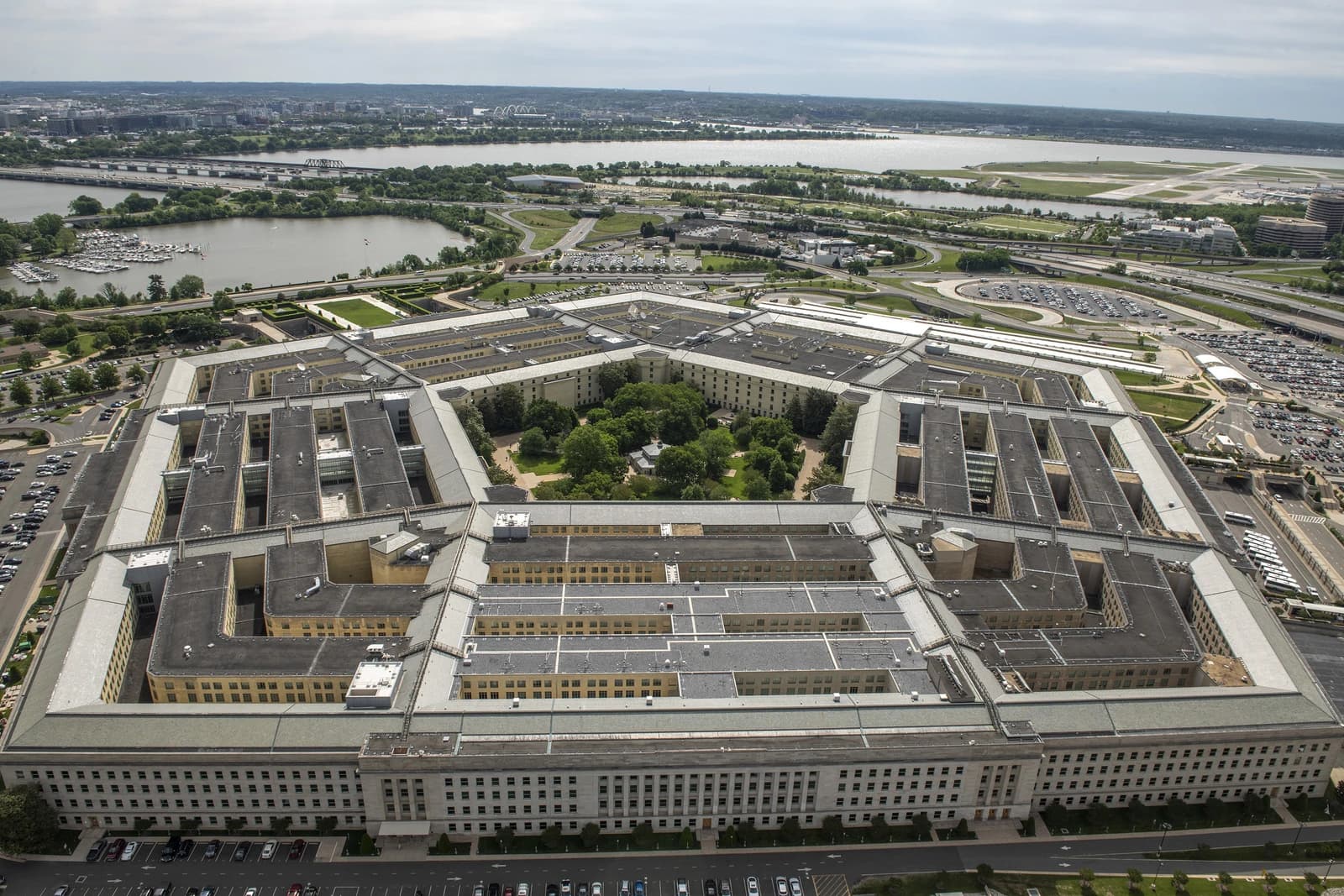
Defense contractors are another likely winner if Washington and Tehran continue down this path. Lockheed Martin climbed to $635.20 on Oct. 26 from $512.75 in early January, reflecting a market that already expects sustained military spending and geopolitical strain. The company’s business mix — missiles, air defense, space and integrated systems — is exactly what investors reach for when global security headlines turn from abstract to real.
That is why the political angle matters so much for investors. A Democratic Congress would probably create more friction for Trump through hearings, subpoenas and attempts to limit operations. But friction is not the same as control. If Trump decides to keep pressure on Iran, retaliate more aggressively, or pursue a larger regional deal, the market impact will come from the policy itself, not from the composition of Congress.
The broader narrative is that Washington politics may shape the tone, but the White House will still set the course. That leaves three possible paths: a tactical pullback that could cool oil prices, a calibrated escalation that keeps the conflict contained but tense, or a broader campaign that links military pressure to diplomacy in the region. Of those, the second looks most consistent with the evidence in the context, because neither side appears ready to concede and neither Congress nor elections are likely to force an immediate settlement.
| Entity | Gains | Losses |
|---|---|---|
| Oil producers | ▲Higher crude prices | ▼Demand-sensitive consumers |
| Defense contractors | ▲More spending on weapons | ▼Fiscal restraint advocates |
| Trump White House | ▲Strategic flexibility | ▼Political cover from Congress |
| Airlines and fuel users | ▲Lower input costs if tensions ease | ▼Higher fuel bills if conflict escalates |