Iran’s foreign minister has turned the cost of Washington’s support for Israel into a political weapon, saying the US has spent $11 billion on missile defence for Tel Aviv over the past three years and fired more interceptors in Israel’s defence than Israel itself.
Iran Says US Spent $11B on Israel Missile Defense
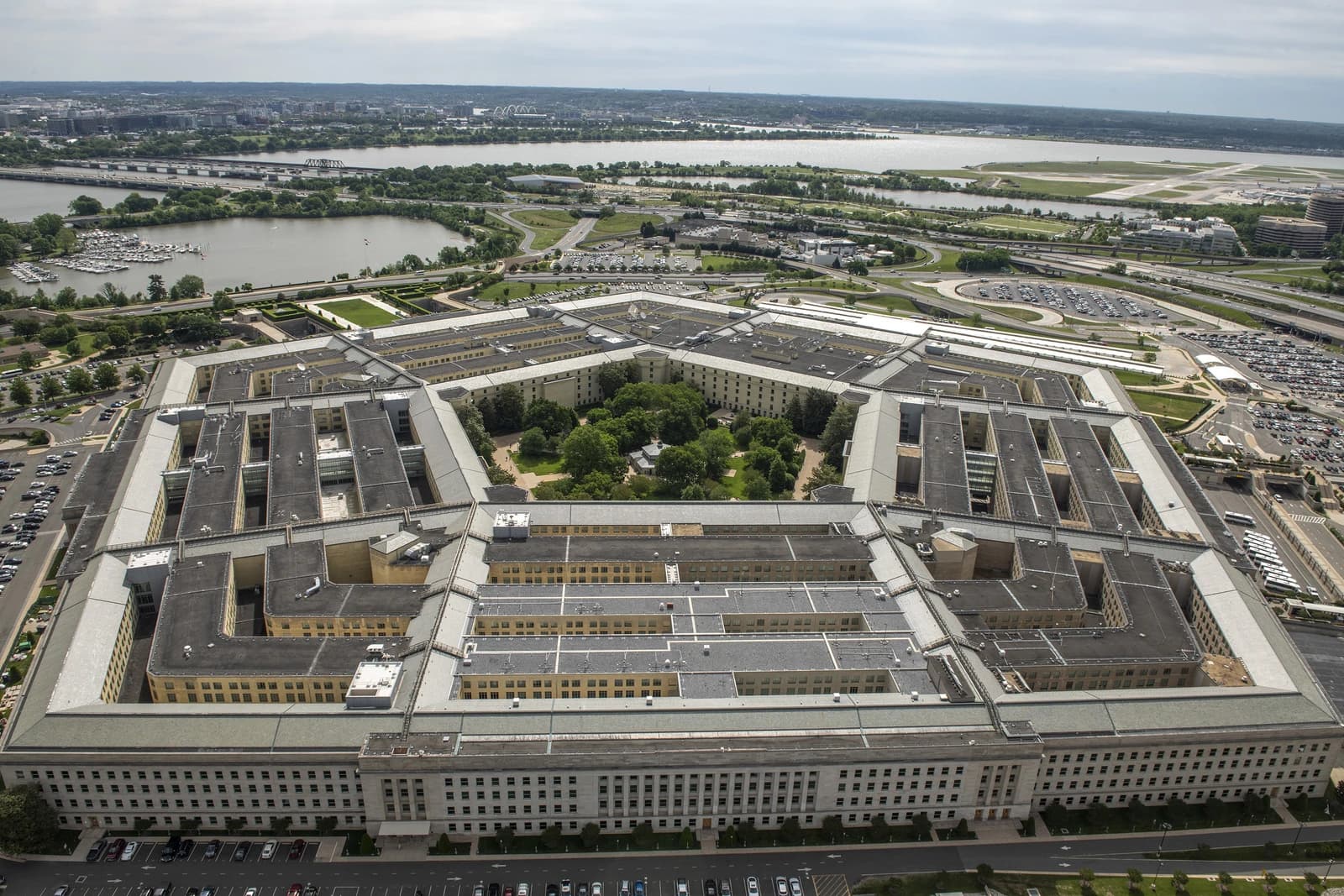
The figure matters because it recasts the US-Israel relationship as a direct fiscal burden at a moment when Washington is already absorbed by the economic and political costs of wider Middle East conflict. It also underscores how the Israel-Iran confrontation has shifted from a regional proxy struggle into a contest that now draws on US military inventories, taxpayer funding and alliance credibility.
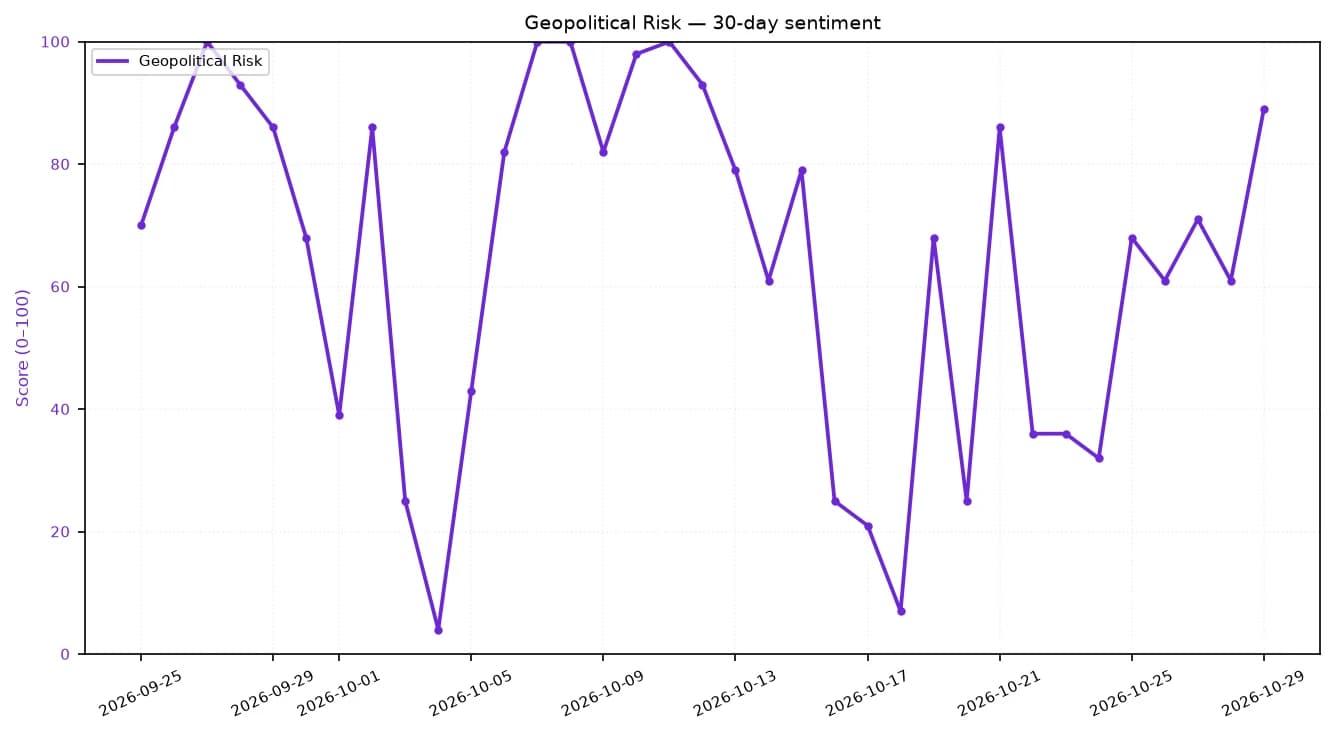
Sentiment Indicators
Abbas Araghchi’s “parasitic” label is designed to inflame, but the underlying message is clear: Iran wants to portray the US as the primary financial backer of Israel’s security, and to argue that American support has moved beyond diplomacy into open-ended military subsidy. That narrative lands at a sensitive moment, with tensions still high after US strikes on Iran, retaliatory escalation in the Gulf and renewed Houthi attacks that have kept oil markets on edge.
For investors, the significance is less about the rhetoric than about the direction of risk. The more Washington is drawn into Israel’s air defence and broader regional operations, the higher the odds of sustained defence spending, supply-chain strain for missile interceptors and continued pressure on energy markets if the conflict widens. The market has already been pricing in that uncertainty through periodic spikes in crude, while the defence sector has benefited from expectations of replenishment orders and higher demand for missile defence systems.
Lockheed Martin, RTX and Northrop Grumman are among the clearest listed beneficiaries of a prolonged air-defence cycle. Lockheed’s shares have pushed sharply higher even as technical readings show the stock stretched, with RSI firmly in overbought territory, while RTX and Northrop have also recovered strongly after earlier swings. That reflects the market’s view that the conflict is not only a geopolitical shock but also a recurring source of procurement demand for interceptors, radar and command-and-control systems.
The longer-term bear case is that the fiscal and strategic costs mount faster than the policy gains. Warren and Murphy have already accused the Trump administration of waging a war with no workable exit, while the IMF has warned that regional growth is still hostage to geopolitical uncertainty. If the confrontation broadens further, the economic damage could spread beyond defence contractors and into airlines, shipping, energy importers and governments exposed to higher fuel and insurance costs.
The immediate question is whether the latest exchange hardens the conflict into a longer cycle of retaliation or opens space for renewed diplomacy. For markets, the answer will determine whether this remains a defence and energy story or turns into a broader risk-off event for global assets. The more the US is forced to underwrite Israel’s security directly, the more investors will have to weigh higher military spending against the possibility of deeper regional disruption.
| Entity | Gains | Losses |
|---|---|---|
| Lockheed Martin, RTX, Northrop Grumman | ▲missile-defense demand | ▼inventory strain if war widens |
| Israel | ▲US security backing | ▼increased diplomatic isolation |
| Iran | ▲propaganda leverage | ▼economic pressure from sanctions |
| US taxpayers / Treasury | ▲limited near-term none | ▼higher fiscal burden |