Iran is pressing ahead with repairs at its Eagle 44 underground air base even after the facility was hit by at least three air strikes this year, underscoring how hard it is for military attacks to permanently degrade Tehran’s dispersed air-power network.
Iran Eagle 44 base under repair after strikes
Satellite images from Planet Labs published by The War Zone show fresh work at the site, including a completed new taxiway and cleared debris, even as some support buildings remain damaged. The effort matters because Eagle 44, also known as Oghab 44, is not a symbolic outpost but a fortified air base built inside a mountain and designed to shelter aircraft, missiles and drones close to one of the world’s most strategically sensitive waterways.
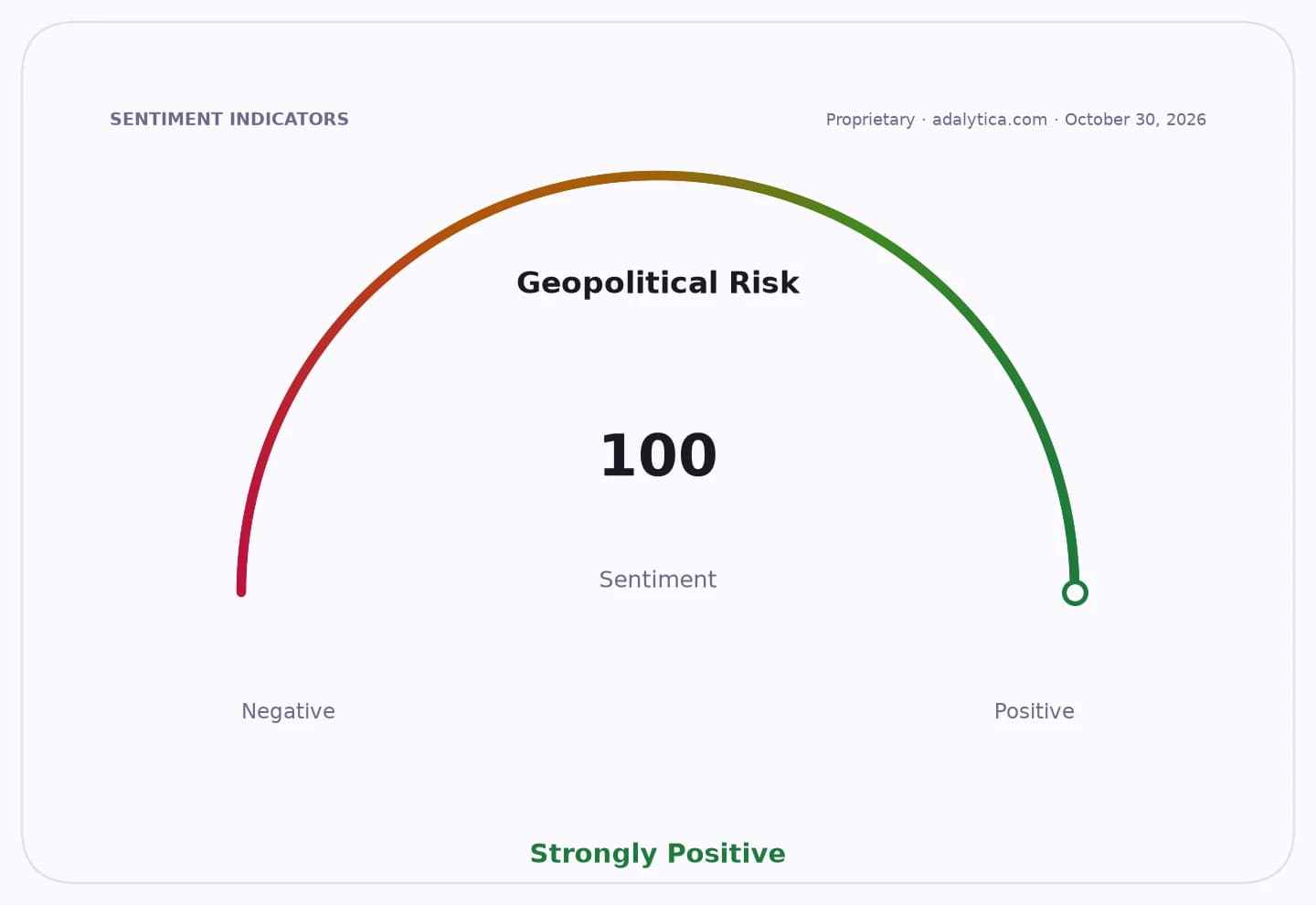
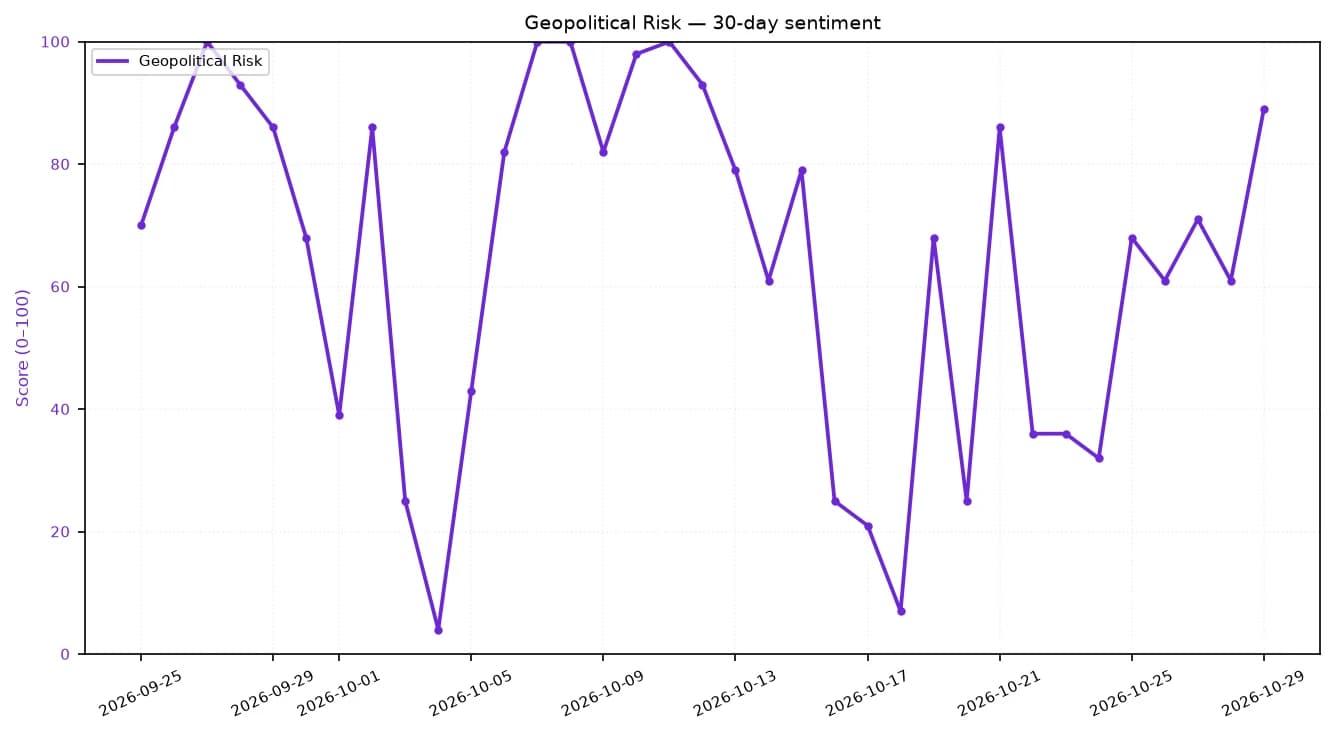
Sentiment Indicators
The base sits in Hormozgan province, about 160 kilometers northwest of the Strait of Hormuz, and is part of Iran’s broader attempt to harden military assets against air assault. For investors and policymakers, the significance is less about the base itself than what it says about the durability of regional risk: Iran can absorb strikes, restore key infrastructure and keep rebuilding even under pressure. That makes any assumption that air attacks alone can meaningfully roll back its military posture look optimistic.
Eagle 44 was first unveiled by Iranian state media in February 2023 as the country’s newest underground air base. At the time, footage showed F-4D/E Phantom II fighter jets and attack drones inside the complex. The aircraft count today is unclear, but the site’s original design implies a dual-purpose role: preserving a legacy fighter fleet while providing concealment and survivability for missiles and unmanned systems.
The construction timeline also highlights the scale of the project. Work on the underground tunnel system began in 2013, and the main 4.3-kilometer runway was started roughly eight years later. Two taxiways link the runway to four entrances into the tunnel complex, though only one appears operational at present. The incomplete state of some support infrastructure suggests Iran still has work to do before the base functions as a fully integrated air combat hub.
That matters economically because security conditions around the Strait of Hormuz can quickly ripple through oil prices, shipping costs and regional investment flows. Any escalation involving Iran’s military assets raises the odds of further disruption in a corridor through which a large share of global crude exports move. The more resilient Iran appears, the less market participants can rely on short, sharp strikes to restore calm.
The rebuild also carries direct implications for defense contractors. A prolonged cycle of strikes and repairs tends to reinforce demand for air-defense systems, precision weapons, surveillance assets and hardened-infrastructure solutions. Companies such as RTX, Lockheed Martin and Northrop Grumman have already benefited from the market’s expectation that Middle East tensions will keep defense spending elevated, and the latest satellite evidence supports that thesis rather than challenging it.
For now, the key takeaway is that Iran’s military infrastructure remains recoverable enough to absorb repeated damage, which raises the threshold for any campaign aimed at degrading it. That leaves investors watching not just the next strike, but whether the region is drifting toward a longer contest of attrition in which hardened bases, missile inventories and air-defense systems matter more than headline attacks.
| Entity | Gains | Losses |
|---|---|---|
| Iran | ▲Resilient air base network | ▼Strategic exposure to strikes |
| US and Israel defense planners | ▲Justification for pressure | ▼Less certainty damage is lasting |
| RTX, Lockheed Martin, Northrop Grumman | ▲Higher defense demand | ▼Less urgency if tensions ease |
| Oil exporters | ▲Risk premium support | ▼Threat of Hormuz disruption |