Iran is moving to criminalize Starlink use with penalties that can reach prison and death, escalating a long-running battle over satellite internet that Tehran says is being used for espionage, military coordination and anti-state organizing.
Iran Moves to Criminalize Starlink Use

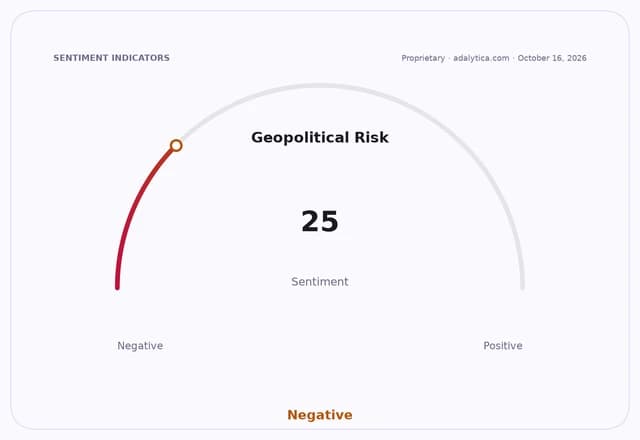
The crackdown matters because it turns access to a communications tool into a national-security offense, underscoring how satellite networks have become part of modern conflict and internal control. For investors, it puts a sharper geopolitical risk premium on SpaceX’s fast-growing low-orbit internet business and on rival satellite operators that could face either tighter regulation or rising demand from governments and civilians seeking resilient connectivity.
Mohammad Amin Aghamiri, secretary of Iran’s Supreme National Cyberspace Council, said Tehran has multiple systems capable of cutting off Starlink terminals and claimed one was used during January protests. Iranian authorities have already relied on jamming, GPS interference and raids to disrupt the service, which protesters have used to share video and information during internet shutdowns.
Under the announced measures, use of Starlink in Iran could carry up to two years in prison, while importing or distributing terminals could bring five years. Espionage or national-security charges could be punished by death, according to the report.

The move comes as Starlink’s role in war zones remains highly politicized. Reports that service to Ukraine was curtailed have renewed debate over how much operational control satellite providers and governments should have over battlefield communications, after claims that drone performance slowed when access was interrupted.
For Tesla investors, the issue is indirect but relevant: Starlink remains a closely watched asset tied to Elon Musk’s broader technology empire and one of the clearest examples of how geopolitics can affect the commercial value of space-based infrastructure. For peers such as Globalstar and Iridium, the episode highlights both the strategic importance of secure satellite connectivity and the regulatory scrutiny that comes with it.
The bigger question is whether other governments follow Iran’s lead in treating commercial satellite internet as a military-grade capability rather than a consumer service. That would keep pressure on SpaceX, deepen the market for hardened satellite communications and add another layer of risk around cross-border deployment, licensing and export controls.
| Entity | Gains | Losses |
|---|---|---|
| Iran’s security apparatus | ▲tighter control over internet use | ▼dissent and encrypted connectivity |
| SpaceX / Starlink rivals | ▲stronger case for resilient satcom demand | ▼regulatory scrutiny and country risk |
| Protesters / civilians | ▲alternative communications in shutdowns | ▼jail, terminal seizures, surveillance |
| Long-duration satellite investors | ▲higher strategic relevance for satcom | ▼geopolitical and policy volatility |