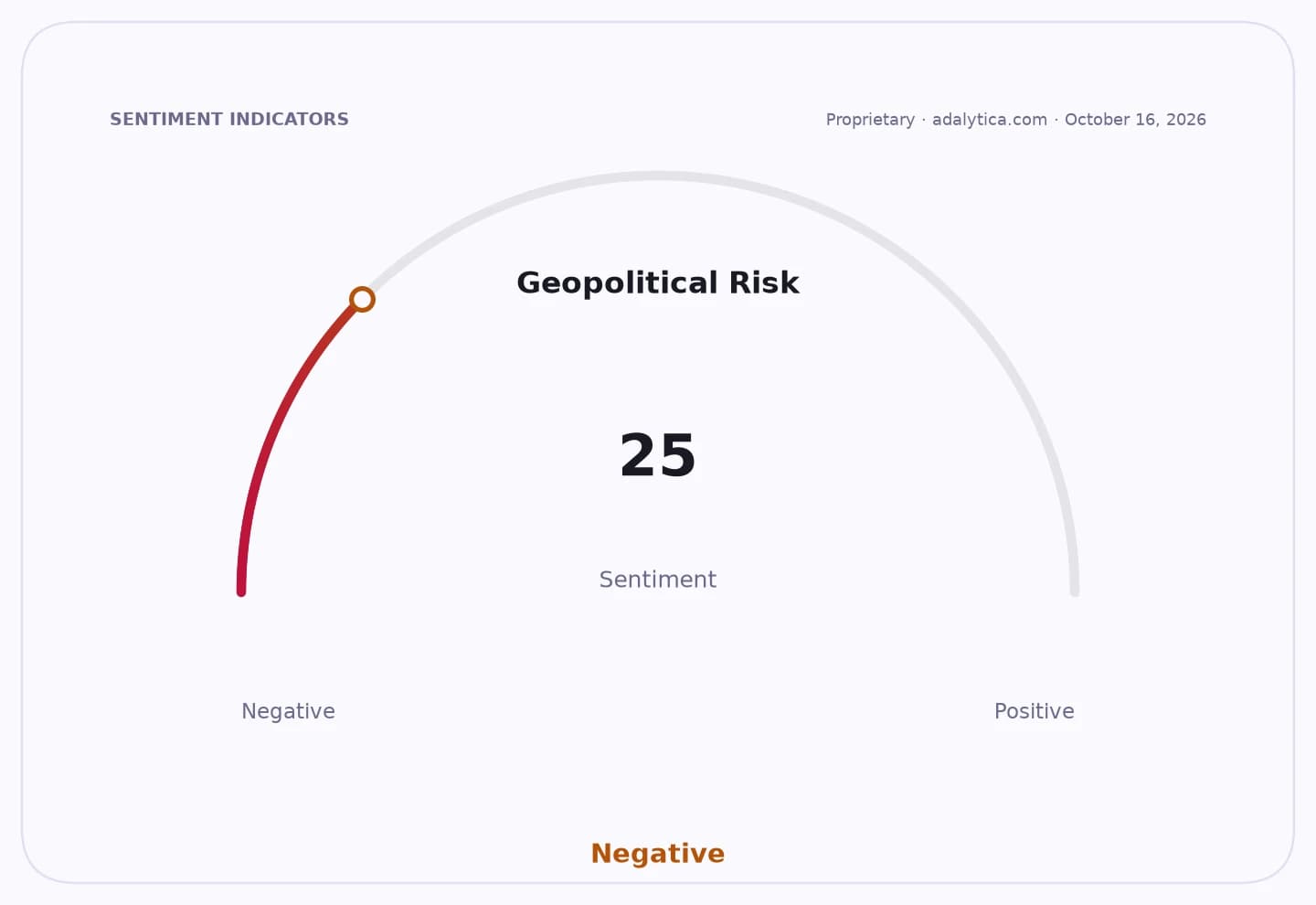
Poland’s foreign minister has publicly pressed Elon Musk over whether SpaceX is using Starlink as a political lever in Ukraine, sharpening investor concern that a critical battlefield communications platform is no longer just a neutral utility but a geopolitical dependency with commercial risk.
Starlink dispute raises SpaceX policy risk

That matters because Starlink has become woven into Ukraine’s drone warfare and frontline connectivity, and any perception that access could be constrained raises the value of state-backed alternatives, hardens scrutiny of SpaceX’s customer power, and injects policy risk into one of the company’s most strategic businesses. Poland says it pays for Ukraine’s subscription, underscoring how allied governments are now directly funding infrastructure that helps Kyiv strike Russian logistics in occupied territory.
Foreign Minister Radoslaw Sikorski’s post on X — “Hey, @elonmusk, big man, are you playing politics with your products again?” — followed Kyiv’s claim that SpaceX had imposed limits on some services, disrupting combat drone missions. Musk did not immediately respond. The exchange revived an earlier public feud in which Musk said Ukraine’s “entire front line would collapse” if he switched Starlink off, before later insisting the service would never be used as a bargaining chip.
For investors, the story is bigger than a social-media spat. SpaceX is privately held, but Starlink’s strategic importance has made it a geopolitical asset as much as a telecom product. If European governments conclude that warfighting communications cannot rely on one U.S. vendor, the obvious beneficiaries are rival satellite operators, defense contractors, and sovereign-backed secure-comms programs that can promise continuity under political pressure.
The market already treats defense communications as a premium growth niche, and this dispute strengthens that case. Iridium, which operates a global satellite network, and large defense names such as Lockheed Martin stand to gain if Europe accelerates procurement for redundant military communications and resilient space infrastructure. The bigger long-term winner may be the broader “picks-and-shovels” space stack — launch, ground systems, encrypted terminals and network security — because the lesson from Ukraine is that battlefield connectivity cannot depend on a single commercial chokepoint.
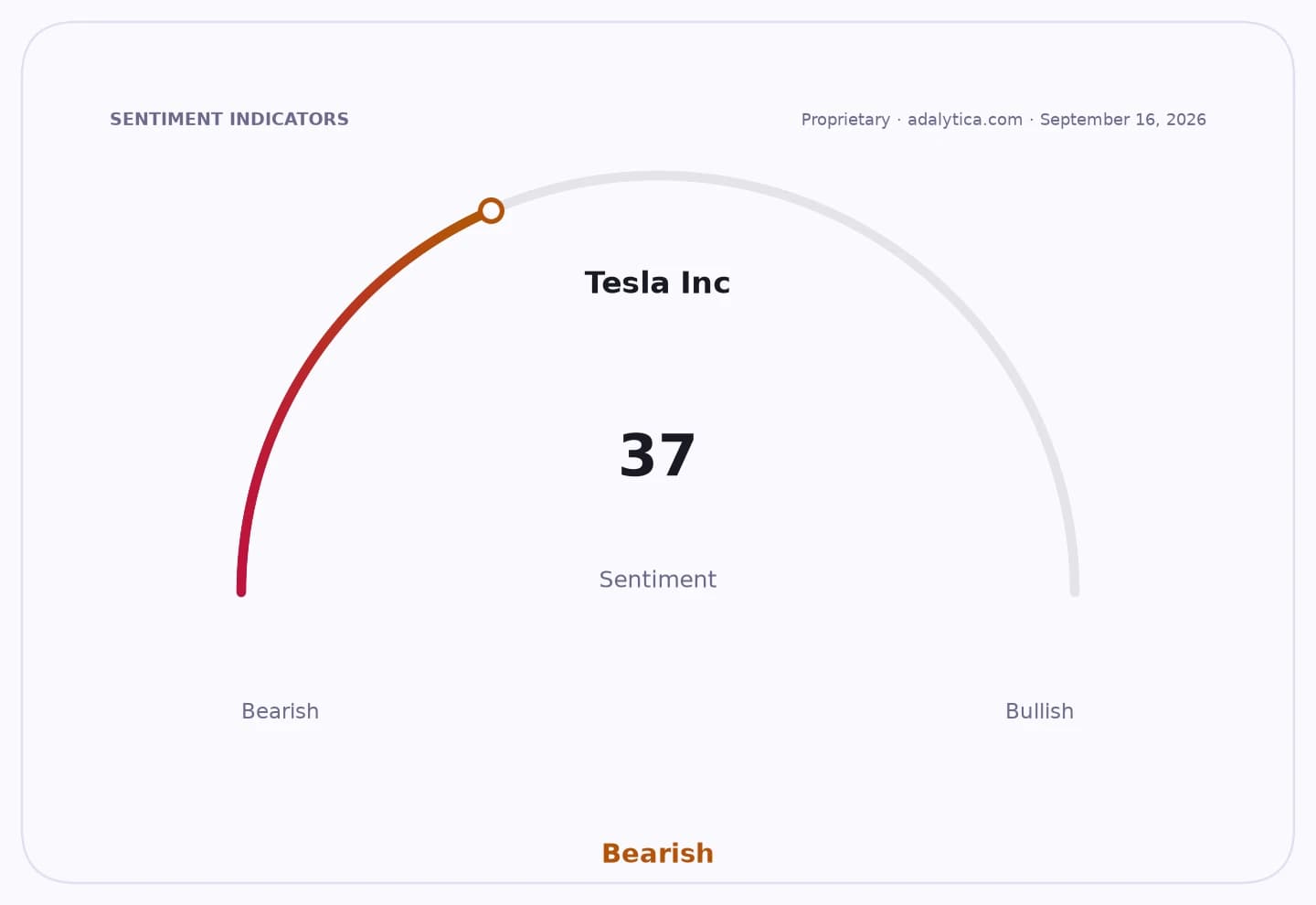
Tesla shares fell 4.21% in the market data provided, but the more durable takeaway is that Musk’s political profile is increasingly entwined with the risk premium across his companies. When a product becomes essential to a war effort, every service change becomes a diplomatic event. That makes Starlink both more valuable and more vulnerable: more valuable because governments cannot easily replace it, more vulnerable because they will not want to remain captive to it.
The next catalyst is whether European capitals respond by diversifying military satellite spending or by formalizing stricter contractual guarantees with SpaceX. Either way, this episode argues for owning the companies that sell redundancy, resilience and secure communications — not just the company that currently dominates the battlefield connection.
| Entity | Gains | Losses |
|---|---|---|
| Iridium (IRDM) | ▲demand for redundant satcom | ▼dependence on niche defense budgets |
| Lockheed Martin (LMT) | ▲defense-comms procurement tailwind | ▼less if SpaceX retains dominance |
| European governments | ▲strategic autonomy | ▼reliance on a single vendor |
| SpaceX / Starlink | ▲higher strategic value | ▼reputational and policy risk |