President Donald Trump used a Manila summit to press a broader US push for artificial intelligence partnerships, promising more than $85 million to expand AI access for allies including Australia, India and Japan as Washington races to lock in influence over the technology’s next wave of growth.
Trump seeks AI partnerships at Manila summit
The pledge matters because AI has become both an economic policy tool and a geopolitical lever. Trump framed the technology as a bigger boom than the internet or the Industrial Revolution, underscoring how the White House wants AI to drive trade ties, deepen strategic alignment and keep US companies at the center of a market that could reshape productivity, data infrastructure and defense capabilities.
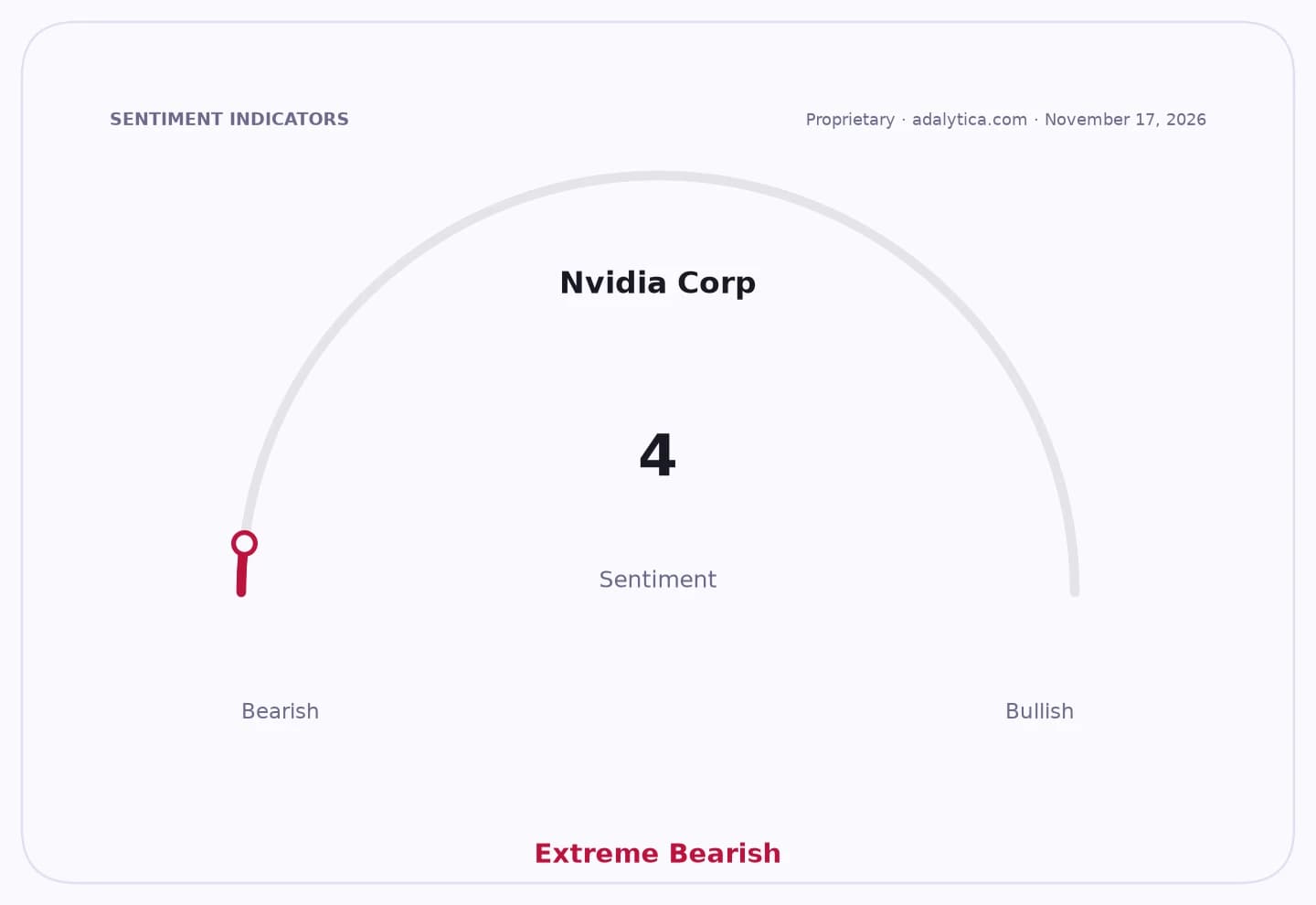
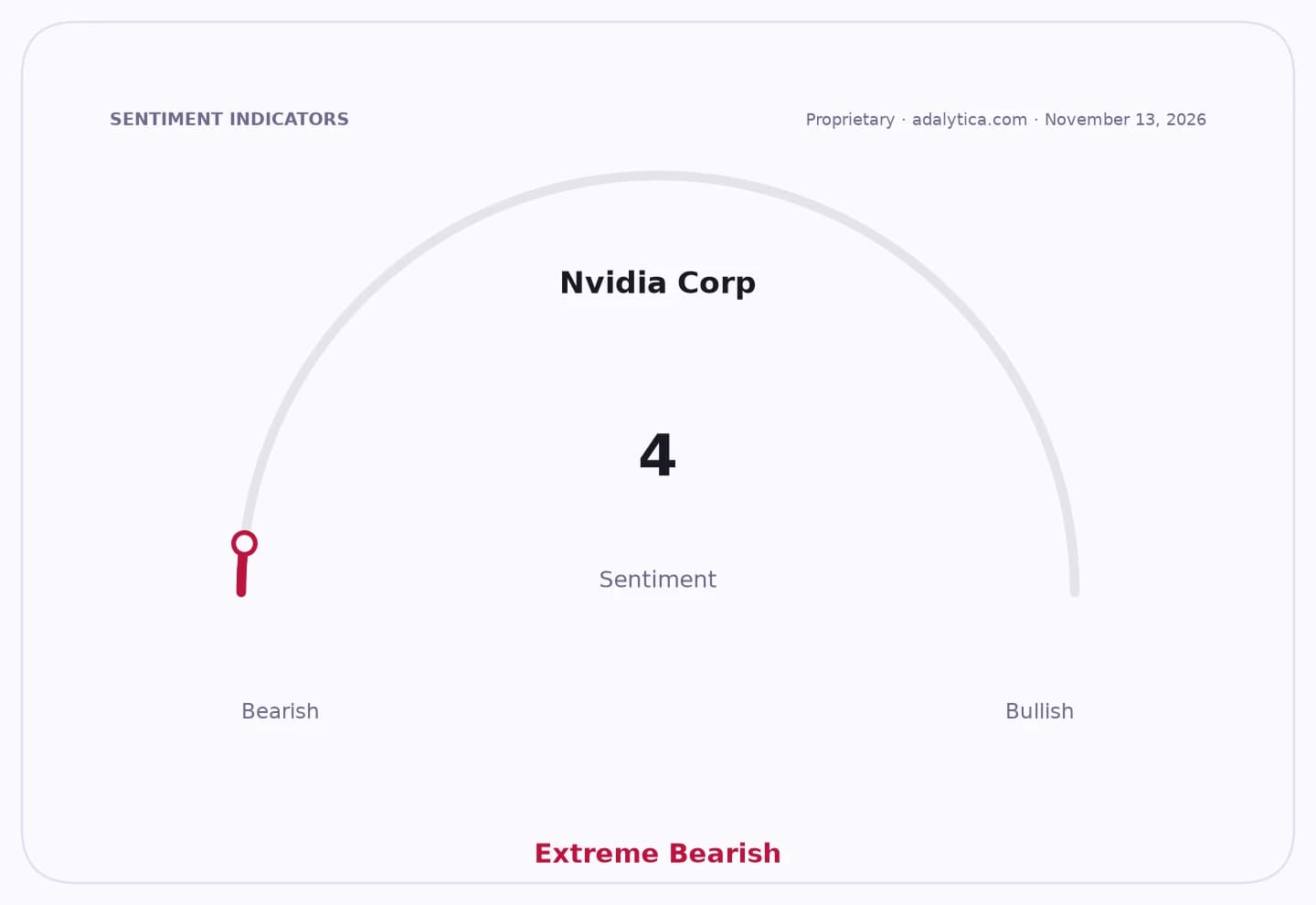
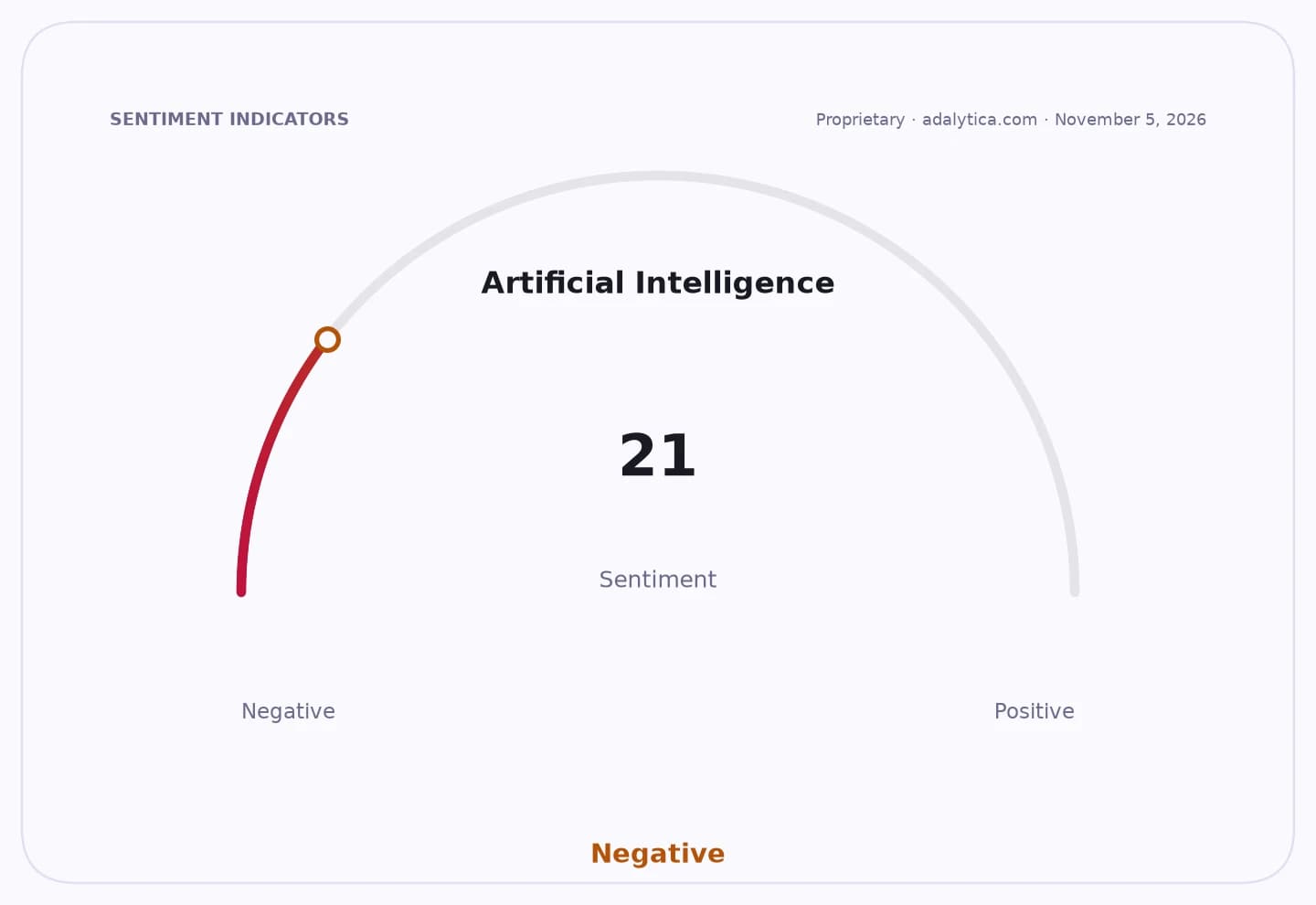
Sentiment Indicators
For investors, the message reinforces the case for continued capital spending around AI hardware, cloud computing and data-center buildout, even as markets remain volatile. Nvidia shares have fallen to $155.46 from a recent high of $235.20, while Microsoft closed at $506.24 after trading above $555 earlier this month, showing that enthusiasm for the sector can coexist with sharp swings as traders weigh spending intensity against monetization.
Trump said the US is “leading the world in super intelligence” and wants to work with countries at the summit to “unleash enormous economic growth.” The comments were aimed at Pacific Rim partners and came as he prepares to meet Chinese President Xi Jinping and Russian President Vladimir Putin during the Asia trip, putting the AI push inside a wider contest over technology, supply chains and global influence.
The funding, reported by Politico, would be used to broaden AI access in partner nations, a move that can help US firms win contracts, standards-setting influence and overseas demand for chips, software and cloud services. That has obvious implications for Nvidia, Microsoft and other suppliers tied to the AI buildout, even as smaller names in the sector remain under pressure; C3.ai, ticker AI, fell to $9.95 and sits well below its 50-day moving average.
The story also fits a broader shift in corporate strategy: businesses and governments are increasingly turning to partnerships, acquisitions and cross-border collaboration to capture AI productivity gains that have not yet consistently translated into profits. The next catalysts are likely to come from further funding commitments, trade talks in Asia and any signs that the administration can turn its AI diplomacy into commercial deals.
| Entity | Gains | Losses |
|---|---|---|
| Nvidia | ▲More AI infrastructure demand | ▼Near-term valuation volatility |
| Microsoft | ▲Deeper cloud and AI ecosystem reach | ▼Margin pressure from heavy AI spending |
| US allies in Asia-Pacific | ▲Expanded AI access and funding | ▼Greater strategic dependence on US tech |
| China and rivals | ▲— | ▼Loss of influence over AI standards |