Bangladesh has launched a widening probe into a bridge project in Tangail after villagers filmed workers allegedly using bamboo instead of steel reinforcement in a structure built on a budget of about 10.1 crore taka, or $40.7 million.
Bangladesh probes Tangail bridge bamboo claims
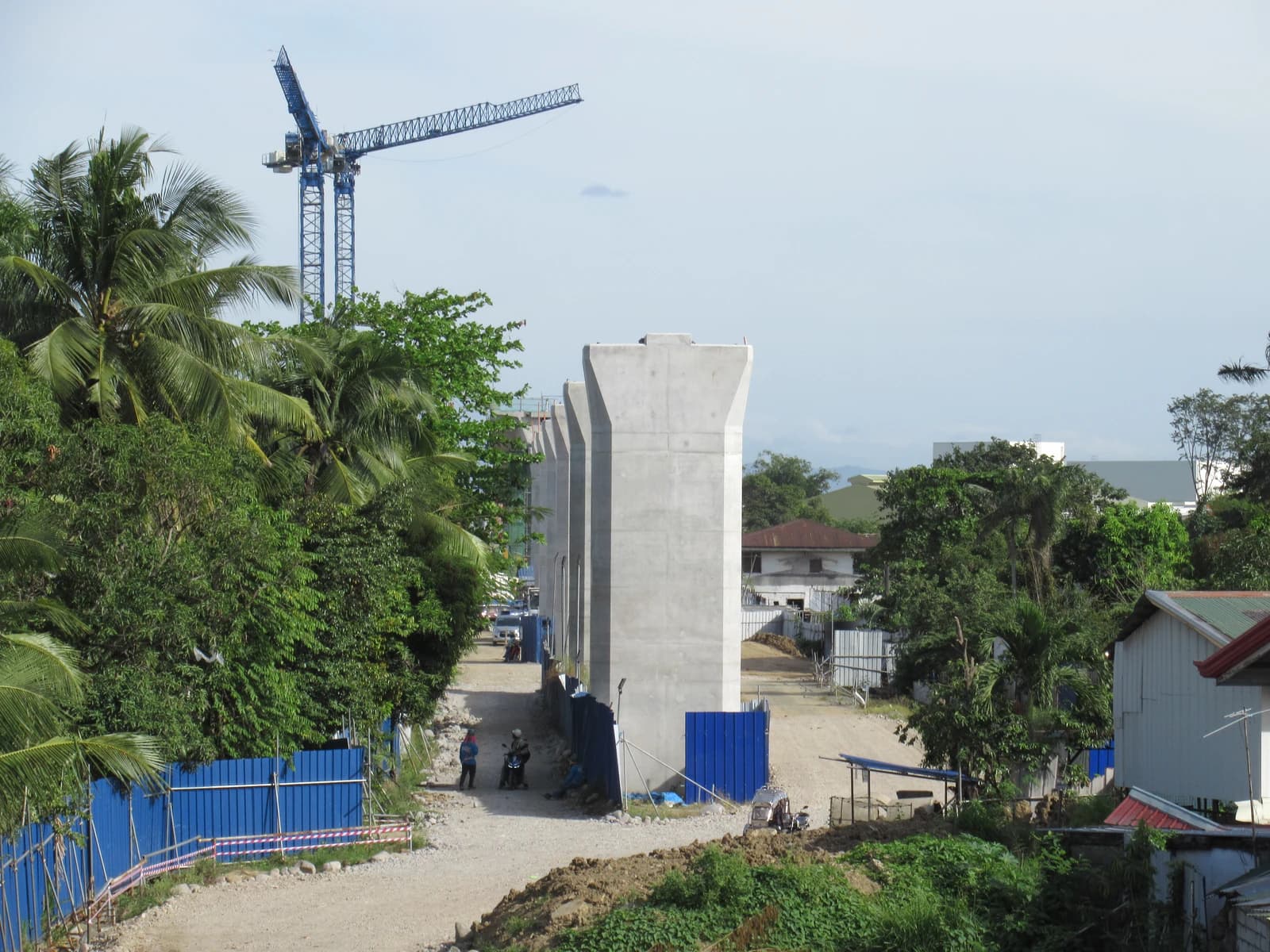
The case matters because it goes beyond a single construction site: if confirmed, it points to a breakdown in procurement oversight, site supervision and payment controls in public infrastructure spending, areas that are already vulnerable to cost overruns and corruption in emerging markets. The issue is especially sensitive because the bridge was reported to be about 80% complete, suggesting the alleged irregularity may have persisted through a substantial portion of the build before being exposed by local residents and social media.
Authorities said they had verified the presence of bamboo at the site, with Basail upazila official Iqbal Hossain saying he would form an inquiry committee and pursue legal action. Assistant engineer Moniruzzaman also said there was concrete evidence that bamboo had been used in place of steel bars and that the matter would be reported to district engineering officials for sanctions. The contractor, a joint venture between Yunus Al Mamun and Zakir firms, said the bamboo was only temporary formwork support in tight sections where traditional molds could not be removed, an explanation officials have yet to accept.
For investors, the incident is a reminder that infrastructure spending carries not just execution risk but governance risk. That matters for firms tied to public works, including suppliers of heavy construction equipment and materials, because project delays, reputational damage and payment disputes can ripple through the local contracting chain. It also raises the prospect of tighter inspection regimes and slower disbursement on similar government projects if regulators respond with more intrusive oversight.
The bridge itself is a 90.06-meter girder crossing on the Basail GC-Kauljani Union Parishad Office–Maij Khara GPS road, begun in September 2022 and originally due in February 2024 before deadlines were extended. Officials are now checking whether the alleged non-compliant work compromised structural safety and whether the contractor has already been paid, questions that will determine whether the case becomes a criminal matter, a contractual dispute, or both.
If the allegations are upheld, the fallout could reach beyond Tangail. In a country where roads, bridges and flood-control works are central to economic development, the credibility of public infrastructure delivery is itself an economic asset. A visible breach of standards can raise financing costs, slow project execution and erode confidence in contractors, inspectors and the state agencies meant to police them.
| Entity | Gains | Losses |
|---|---|---|
| Local residents | ▲More scrutiny | ▼Trust in project oversight |
| Government inspectors | ▲Mandate to act | ▼Reputation if negligence is found |
| Contractor joint venture | ▲Possible technical defense | ▼Legal and payment risk |
| Public infrastructure users | ▲Safer standards if reforms follow | ▼Delays and disruptions |