Belgium’s annual car-free day is becoming more than a civic tradition: this year’s record participation across more than 70 localities, including 22 in Wallonia for the first time, shows how quickly an experiment in cleaner streets can turn into a broader shift in how people move.
Belgium car-free day expands to 70 localities
That matters economically because transport habits are sticky. When commuters, families and tourists experience cities without cars for a full day, they get a live demonstration of what lower-traffic urban life can look like: quieter streets, cleaner air, safer crossings and easier cycling. Those are the kinds of changes that can gradually influence everything from public transport use to bike purchases, retail footfall in pedestrian zones and city planning budgets. Brussels is now extending the concept further, adding a second car-free day in 2027, a sign the policy is moving from symbolism toward infrastructure for behavior change.
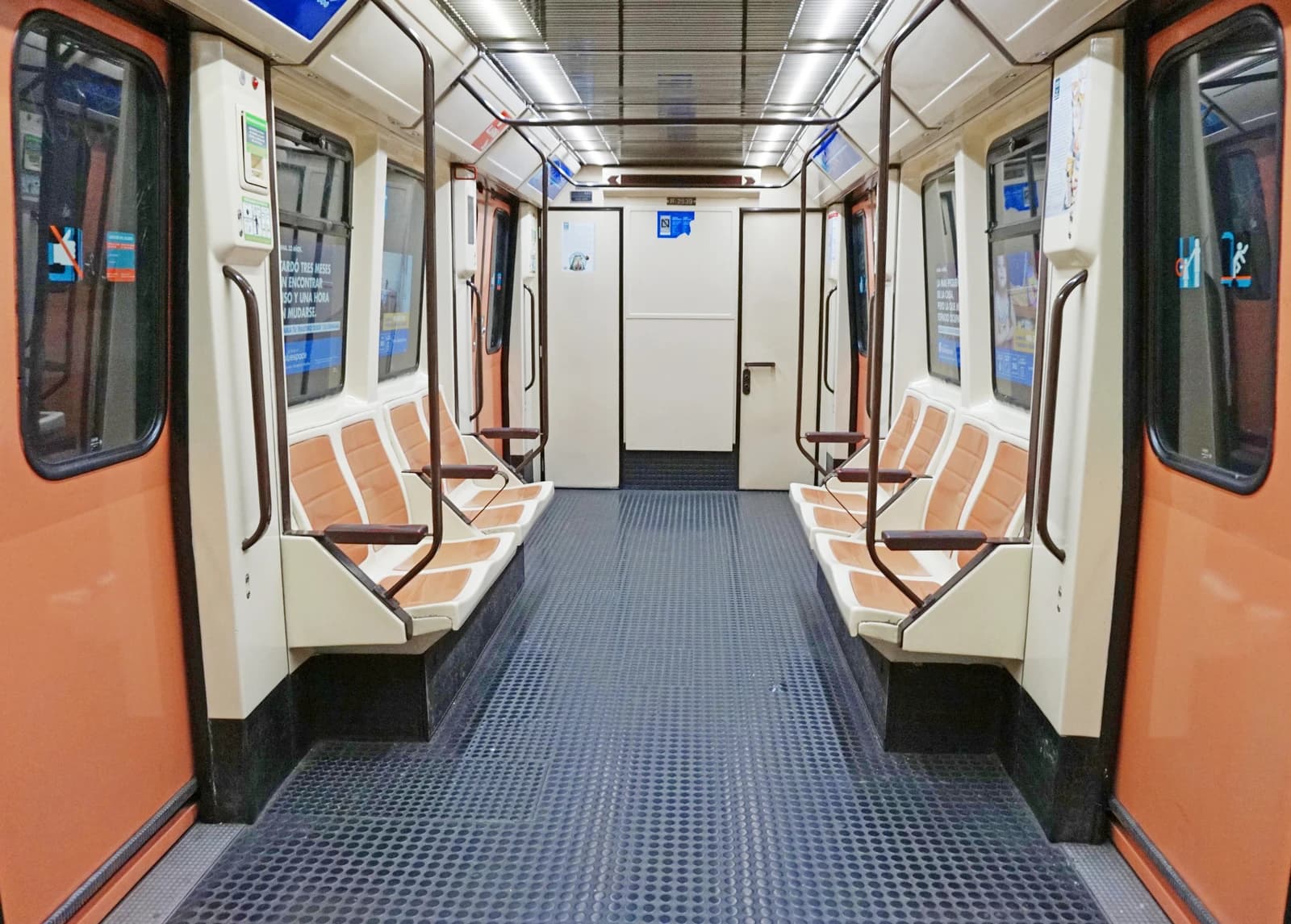
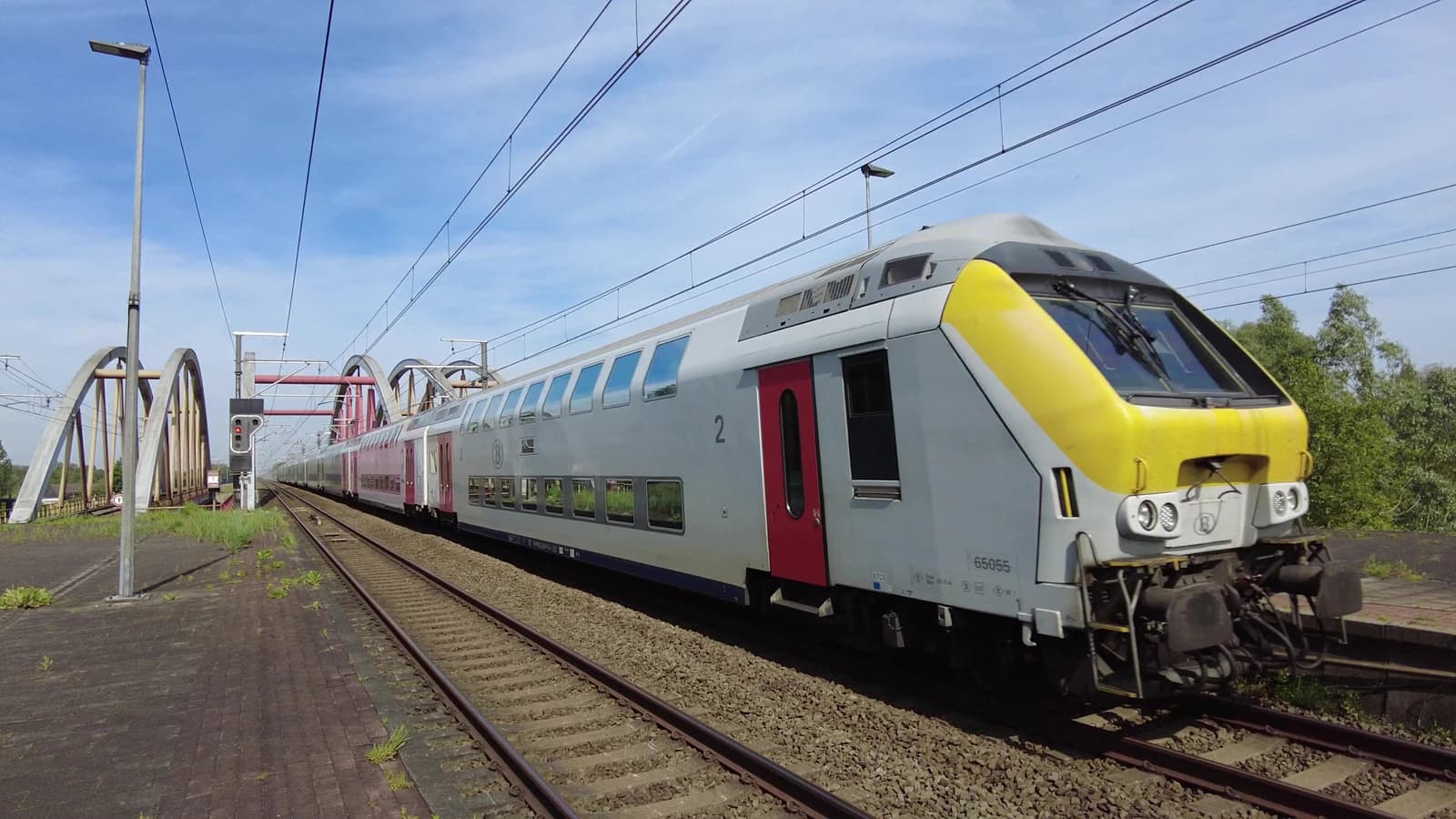
The scale is what stands out. Brussels shut its entire 19-district metropolitan area to motor vehicles from 9:30 a.m. to 7 p.m., including electric cars, while public transport was free and exempt vehicles were capped at 30 km/h. Across the country, more than 70 municipalities took part, easily topping the previous record of 53. Wallonia’s 22 participating localities were especially notable, because the region had typically seen only five or six municipalities join in past years.
For investors, the message is less about one day of silence and more about the direction of travel. Policies that normalize walking, cycling and transit can slowly chip away at car dependence in dense urban areas. That is relevant for automakers and fuel sellers over time, but it is also a constructive backdrop for mobility platforms, public transit operators, bike makers, urban delivery services and companies tied to safer, more compact city centers. In other words, the winners are likely to be businesses aligned with flexible, lower-emission urban mobility, while the long-term losers are those dependent on ever-rising private car use in crowded cities.
The day also underscores a useful investing point: social habits can change before balance sheets do. Brussels measured noise drops of as much as 99% at some locations, with around 20 decibels fewer on highways and about 10 decibels lower on major urban roads. The World Health Organization says prolonged exposure above 55 decibels can disrupt sleep and raise cardiovascular risk, so the health case for quieter cities is not just aesthetic. That kind of public benefit makes these initiatives politically durable, even if they do not solve congestion on their own.
Still, the road ahead is uneven. One student in Brussels praised the city’s cycling upgrades, but also noted that bike lanes often end abruptly, forcing riders back into mixed traffic. That is the real investment case here: if municipalities keep pairing car-free events with safer bike lanes, better transit and more usable public space, behavior will follow. For long-term investors, the theme is worth watching as part of the broader shift toward urban mobility, especially in Europe, where policy can move markets one street at a time.
| Entity | Gains | Losses |
|---|---|---|
| Cyclists and pedestrians | ▲Safer streets | ▼Car-dominated traffic |
| Public transit operators | ▲Higher ridership interest | ▼Private car use |
| Mobility platforms like Uber and Lyft | ▲More multimodal demand | ▼Solo driving trips |
| Auto-dependent businesses | ▲Short-term normalcy | ▼Long-term urban space share |