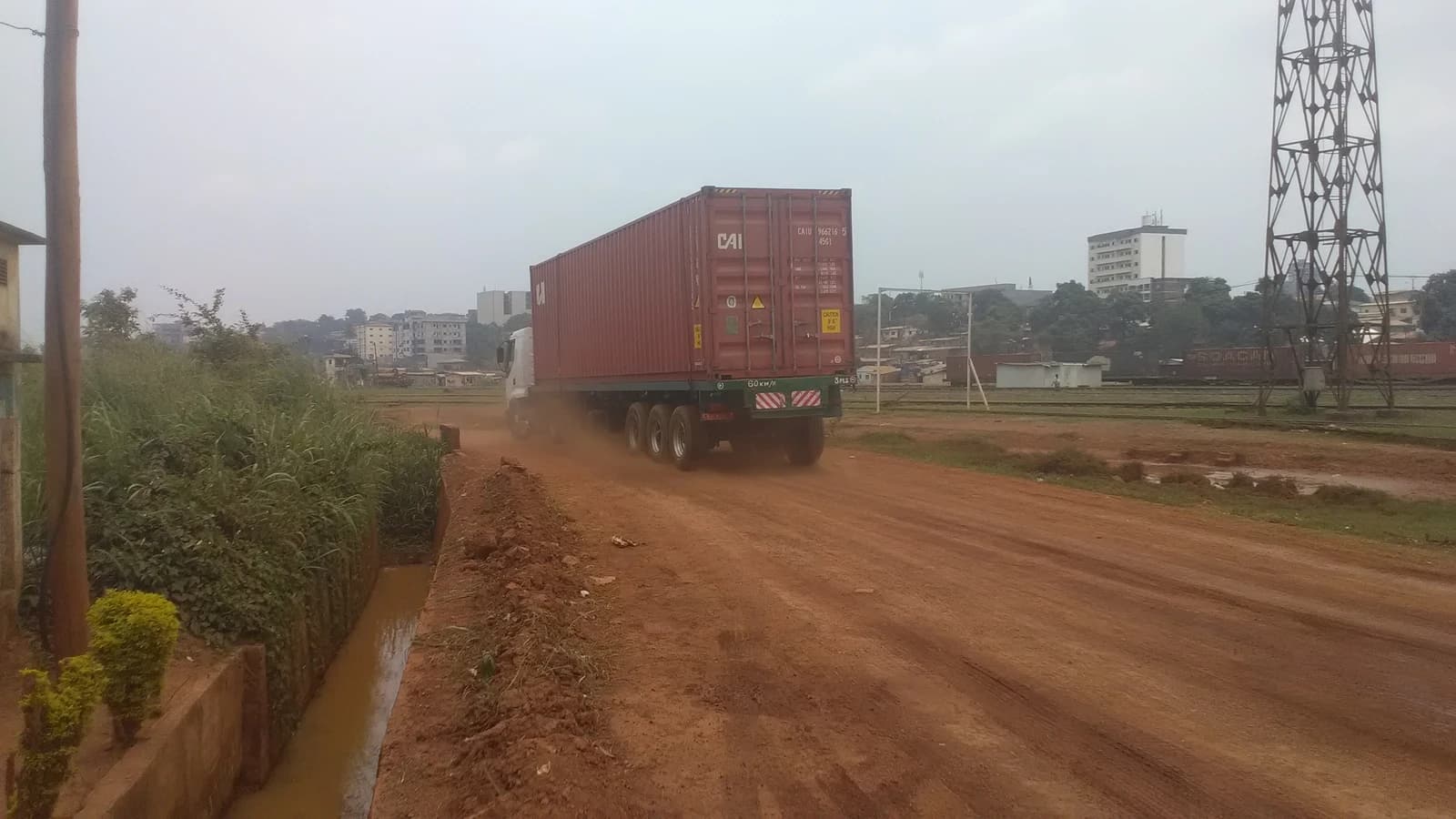
A BMW with more than 1.7 million tenge in unpaid fines has become the clearest sign that Almaty police are stepping up enforcement against drivers who let penalties pile up.
Almaty Police Impound 20 Vehicles Over Unpaid Fines
That matters because the story is no longer just about a single delinquent car. Over the past five days, police in Kazakhstan’s largest city have impounded more than 20 vehicles with significant outstanding fines, using information systems and surveillance cameras to track them down. Most of the cars were on foreign plates, though some carried Kazakh registration numbers, underscoring how the problem cuts across both domestic and cross-border motorists.
For investors and business owners, the economic takeaway is simple: enforcement is getting more systematic. When fines stop being treated as an annoyance and start becoming a collectible liability, compliance costs rise for drivers and fleets that operate in and out of major urban centers. That can matter for ride-hailing operators, delivery fleets, used-car buyers and cross-border transporters, all of whom depend on predictable access to vehicles and roads.
The biggest unpaid balance was attached to a BMW registered in Kyrgyzstan, with debts exceeding 1.7 million tenge. Police said unpaid penalties do not disappear and that vehicles can be identified and detained under the law once arrears build up. In practical terms, that creates a stronger incentive to pay quickly rather than wait for enforcement to catch up.
The broader narrative here is about state capacity. Cities across emerging markets often struggle not with writing rules, but with collecting what is already owed. Almaty’s use of cameras and data systems suggests a more modern approach to enforcement, one that can improve road discipline and public revenue without requiring new taxes.
For long-term observers, that is the part worth watching. Better collection may not make headlines every day, but it can make the transport system fairer, improve compliance and reduce the hidden costs that come from ignoring small debts until they become large ones.
| Entity | Gains | Losses |
|---|---|---|
| Almaty police | ▲stronger enforcement reach | ▼administrative backlog risk |
| City budget | ▲higher fine collection | ▼unpaid receivables decline |
| Vehicle owners with arrears | ▲nothing | ▼impoundment and costs |
| Compliant drivers and fleets | ▲fairer competition | ▼less benefit from leniency |