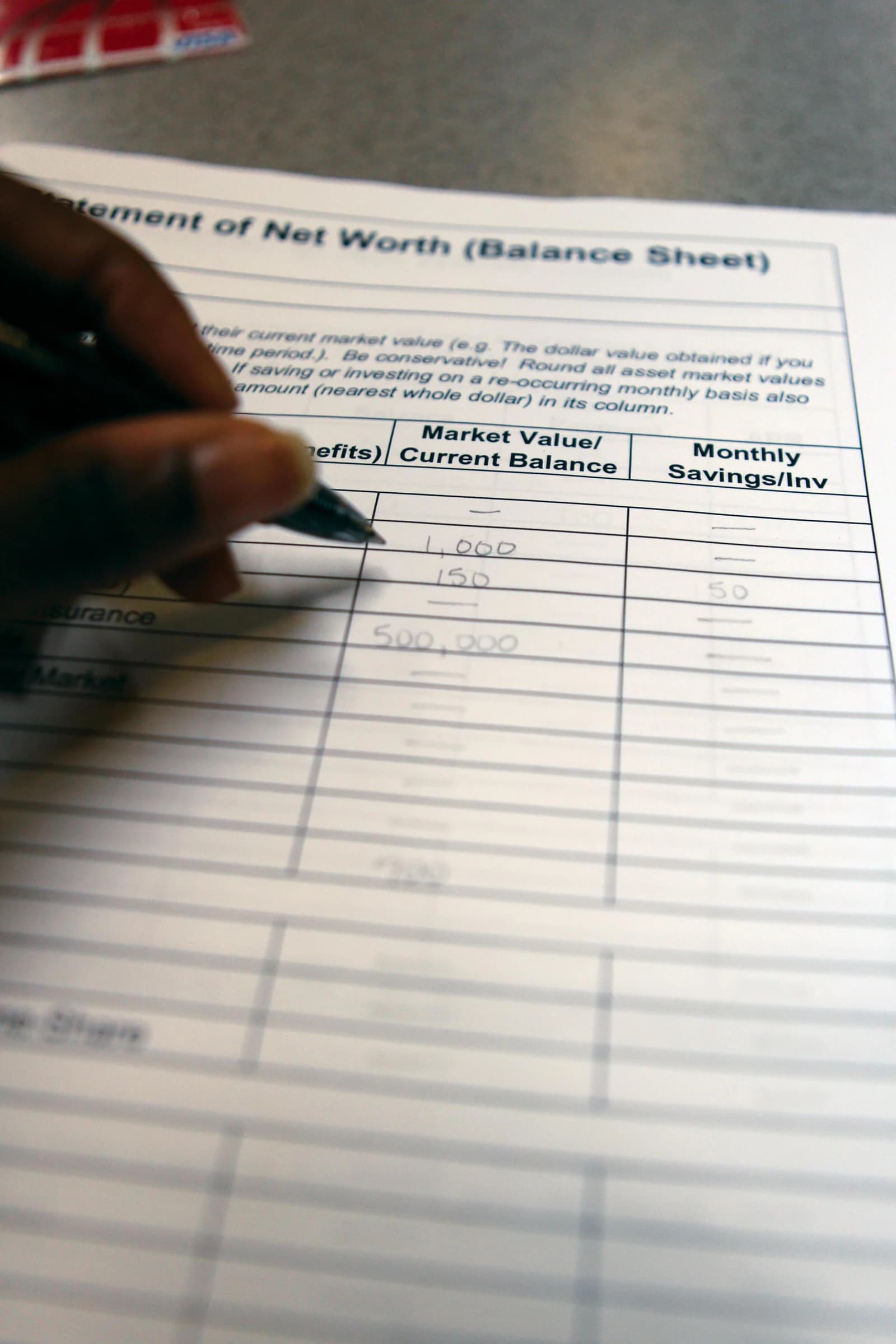
One in five people in Belgium could face serious financial strain from a single unexpected bill, underscoring why a new anti-overindebtedness campaign matters beyond social policy and into household consumption, credit quality and political risk.
Belgium debt campaign highlights household strain
The “stop debt” campaign is designed to put over-indebtedness back at the center of the policy debate just as the federal government pushes through reforms on collective debt settlement, the SECAL support mechanism and bailiff fees and practices. For lenders, retailers and utilities, the issue is not abstract: when a household is one invoice away from distress, repayment behavior can deteriorate quickly, defaults rise and discretionary spending gets squeezed.
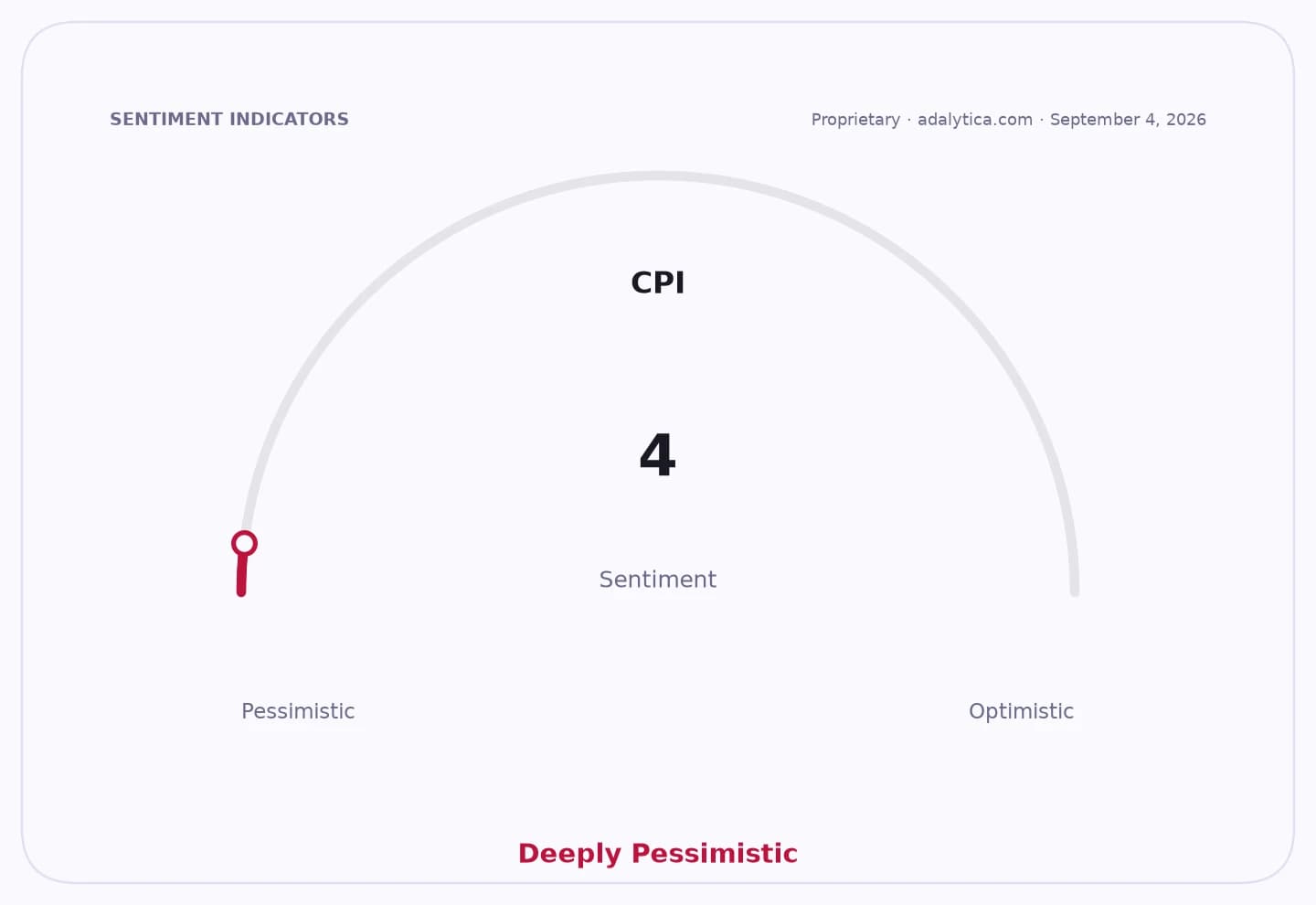
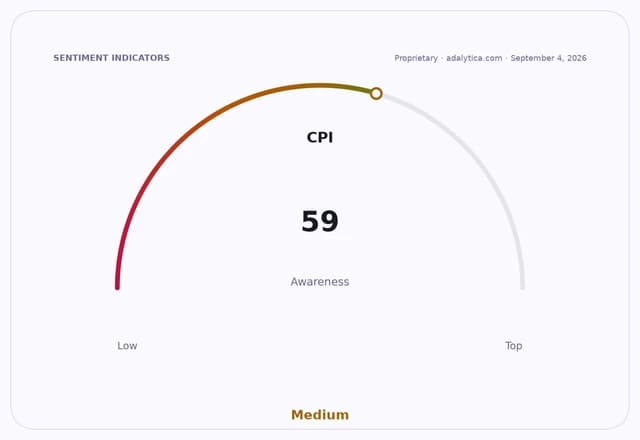
Sentiment IndicatorsⓘProprietary · adalytica.com · September 4, 2026
This is a snapshot — live sentiment, awareness and momentum for 130+ markets update continuously in the dashboard.Open AlphaPulse
The Belgian poverty network behind the campaign is combining personal video testimony with a public conference on Sept. 16, where ministers Frank Vandenbroucke, Rob Beenders and Annelies Verlinden are due to attend. That mix of advocacy and policy engagement signals an effort to shape reform while the political window is open, rather than simply warn about the scale of the problem.
The economic backdrop is one of fragile household balance sheets. High living costs and tighter financing conditions have made debt management more difficult for lower-income borrowers, and the risk is amplified when families have little savings cushion. That makes the campaign relevant not only for welfare policy but also for consumer lenders, debt collectors and any business exposed to Belgian household demand.
For investors, the key question is whether the reforms help stabilize repayment patterns or simply raise compliance costs for creditors and collections firms. A more borrower-friendly framework could improve long-run financial stability by reducing debt spirals, but it may also slow recoveries on delinquent accounts and pressure margins in consumer finance. A tougher collections regime would have the opposite effect, supporting borrowers only marginally while preserving creditor economics.
The campaign also lands at a politically sensitive time. Governments across Europe are under pressure to show they are protecting households without choking credit availability, and Belgium’s debate is likely to be watched for how it balances social protection with the functioning of consumer lending. If the reforms broaden access to restructuring and debt mediation, the likely beneficiaries are overextended households; if they mainly tighten enforcement, creditors may gain leverage but at the cost of higher social stress.
What happens next will depend on whether the Sept. 16 conference produces concrete commitments or just keeps the issue in the headlines. For investors, the most important takeaway is that household debt distress is becoming a policy variable in Belgium, and that has implications for consumer credit performance, collections activity and spending resilience heading into the next policy cycle.
| Entity | Gains | Losses |
|---|---|---|
| Over-indebted households | ▲Debt relief options | ▼Collections pressure |
| Belgian government | ▲Reform credibility | ▼Political scrutiny |
| Consumer lenders/creditors | ▲Clearer rules | ▼Higher recovery risk |
| Debt collectors/bailiffs | ▲Regulatory clarity | ▼Fee and practice limits |