BHIM Payments App has added an AI assistant that could make India’s fast-growing digital payments system easier to use and safer to navigate, a small product change that speaks to a much bigger push to deepen trust in UPI at scale.
BHIM App Adds AI Assistant for UPI Support
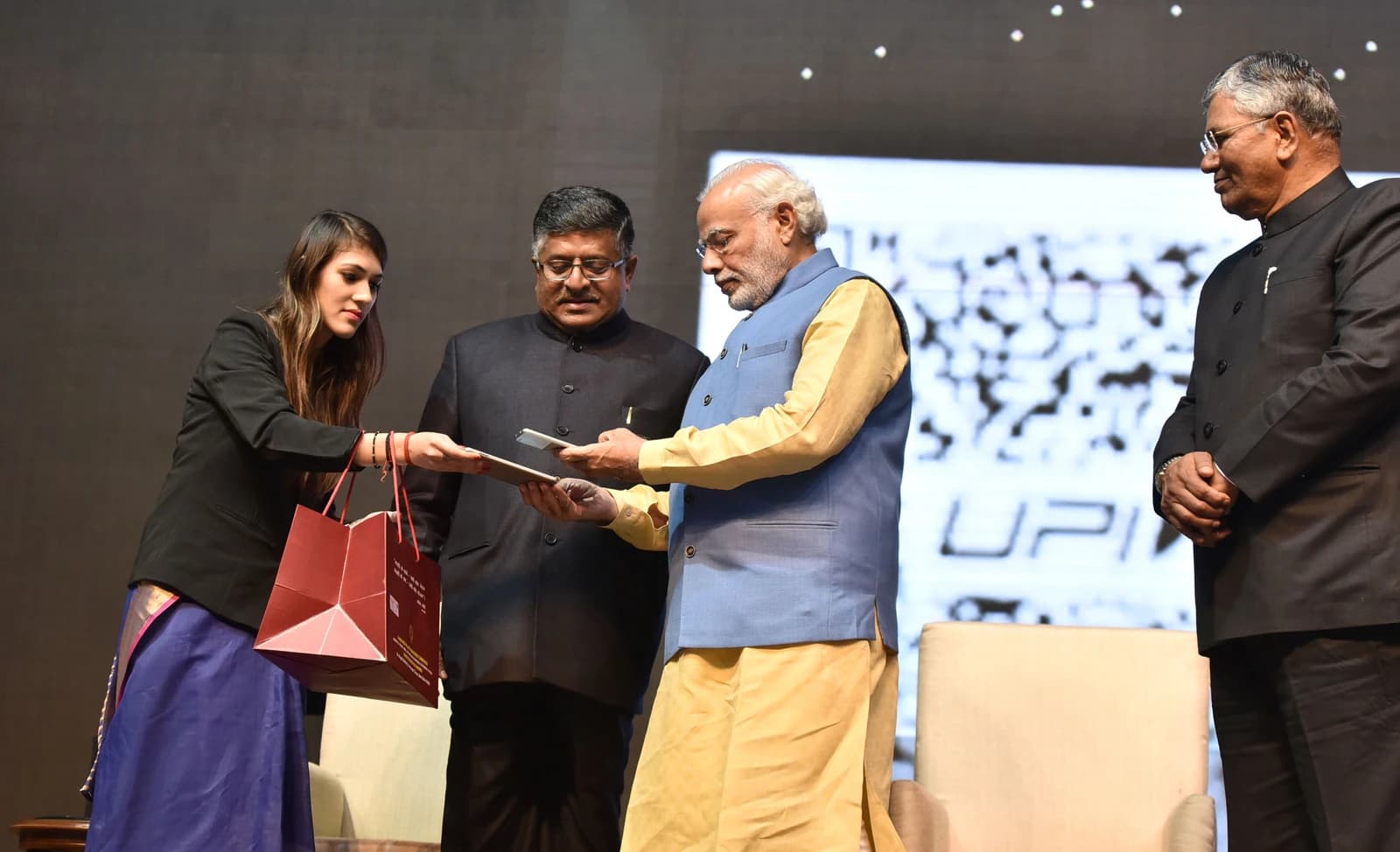
The new feature, called MyUPI, gives users 24/7 conversational support for UPI transactions, complaints, Autopay mandates and safety controls, according to a September 22 release from NPCI BHIM Services Ltd, a wholly owned subsidiary of the National Payments Corporation of India. It is being rolled out inside the BHIM app in five languages — English, Hindi, Telugu, Bengali and Tamil — with more regional languages planned.
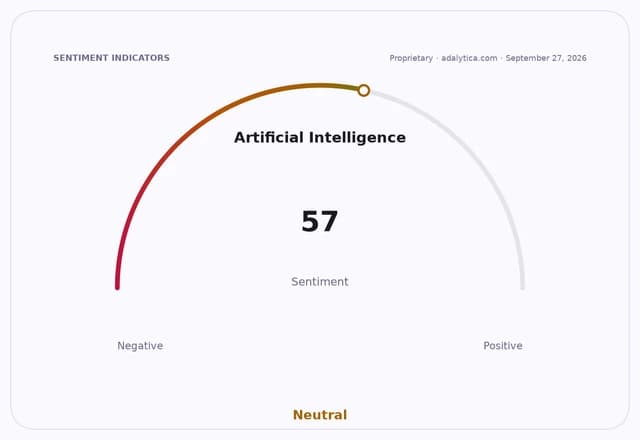
Sentiment IndicatorsⓘProprietary · adalytica.com · September 27, 2026
This is a snapshot — live sentiment, awareness and momentum for 130+ markets update continuously in the dashboard.Open AlphaPulse
For India’s payments ecosystem, the significance is less about the chatbot itself than about what it is being asked to do. UPI’s growth has made digital payments nearly routine, but that scale also increases the burden of customer support, failed-payment resolution, mandate management and fraud prevention. By pulling those tasks into a single conversational interface, BHIM is trying to reduce friction for users who might otherwise abandon transactions, file complaints through multiple channels or hesitate to use recurring payment tools.
The economics matter because payment systems are only as valuable as the confidence they inspire. Faster issue resolution and clearer mandate controls can help limit disputes and improve user retention, particularly in a market where millions of first-time and semi-digital consumers still need handholding. In a network business, better service tooling can support higher transaction frequency without requiring a matching rise in human support costs.
The feature also underscores how AI is being deployed in financial services in a more operational than speculative way. MyUPI is not meant to replace authentication: any eligible payment action still requires the user’s UPI PIN. That is important for banks, payment firms and regulators, which have been pushing for innovation without weakening the security architecture that has made UPI a trusted rails layer for retail payments.
The launch fits a broader industry pattern in which payments players are trying to use AI for lower-cost support, fraud awareness and workflow automation rather than for headline-grabbing consumer chatbots. That could be especially relevant in India, where multilingual access remains a commercial advantage and where safety concerns remain a key constraint on digital adoption.
For investors, the immediate read-through is limited because the announcement is product-focused rather than revenue-driving. But it reinforces the strategic moat around payment ecosystems that can combine scale, trust and low-friction user experience. Any company that can reduce customer-service overhead while keeping users active on the network has a better shot at defending transaction volumes and engagement.
The bullish case is that tools like MyUPI improve retention, reduce friction and help UPI penetrate more users and use cases, including recurring payments. The bearish case is that conversational support may improve convenience at the margins but does little to change the underlying economics of payments, where pricing power is thin and network differentiation remains limited.
For now, BHIM is positioning MyUPI as a trust layer rather than a gimmick — a sign that the next phase of India’s digital payments competition may be won not just on reach, but on how well platforms manage the messy realities of complaints, mandates and fraud fears.
| Entity | Gains | Losses |
|---|---|---|
| BHIM / NPCI BHIM Services | ▲Higher user trust | ▼Support complexity |
| UPI users | ▲Easier issue resolution | ▼Less direct manual help |
| Banks and payment apps | ▲Better retention tools | ▼More pressure to match features |
| Fraudsters / bad actors | ▲Tighter controls reduce opportunity | ▼Easier detection |