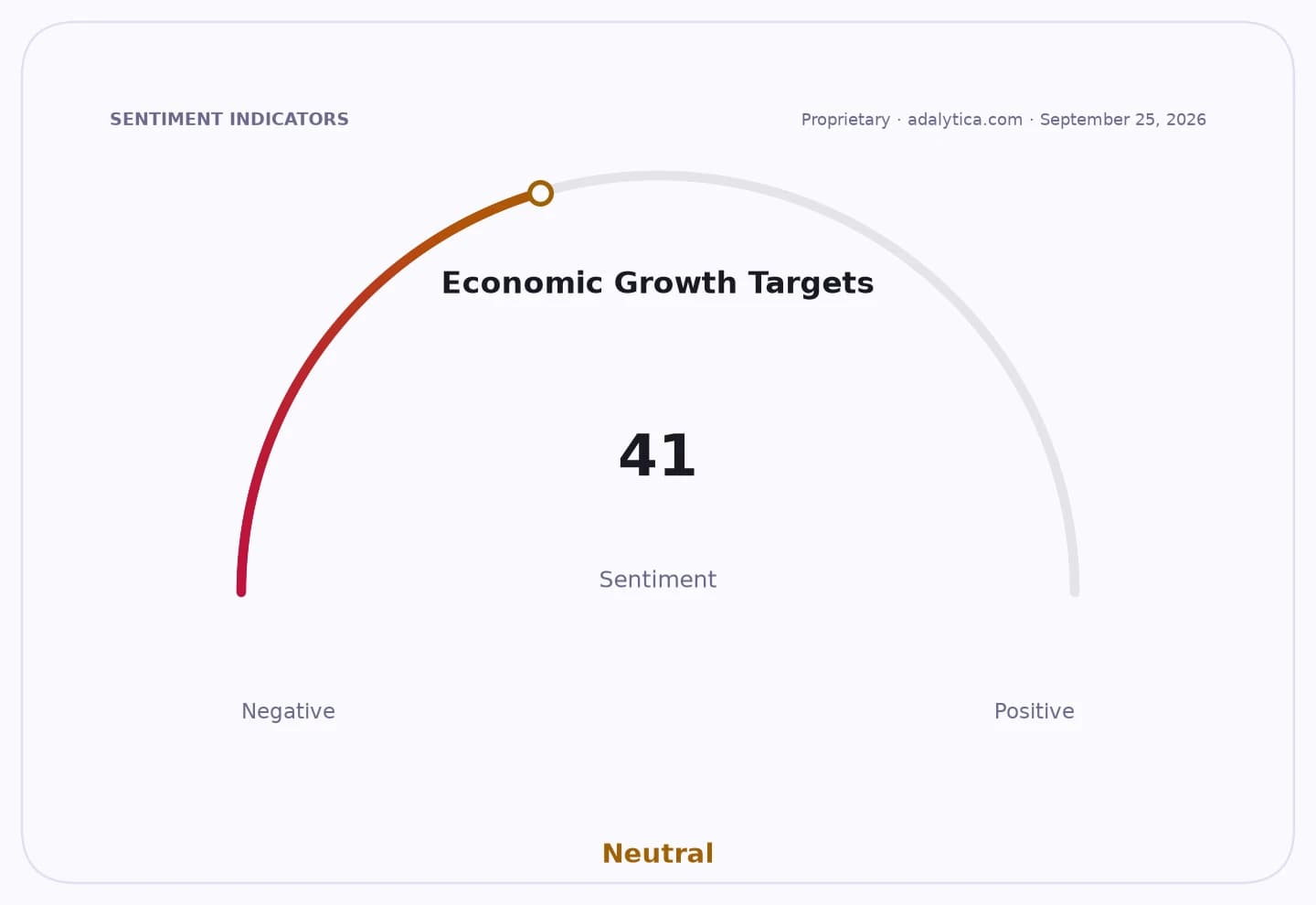
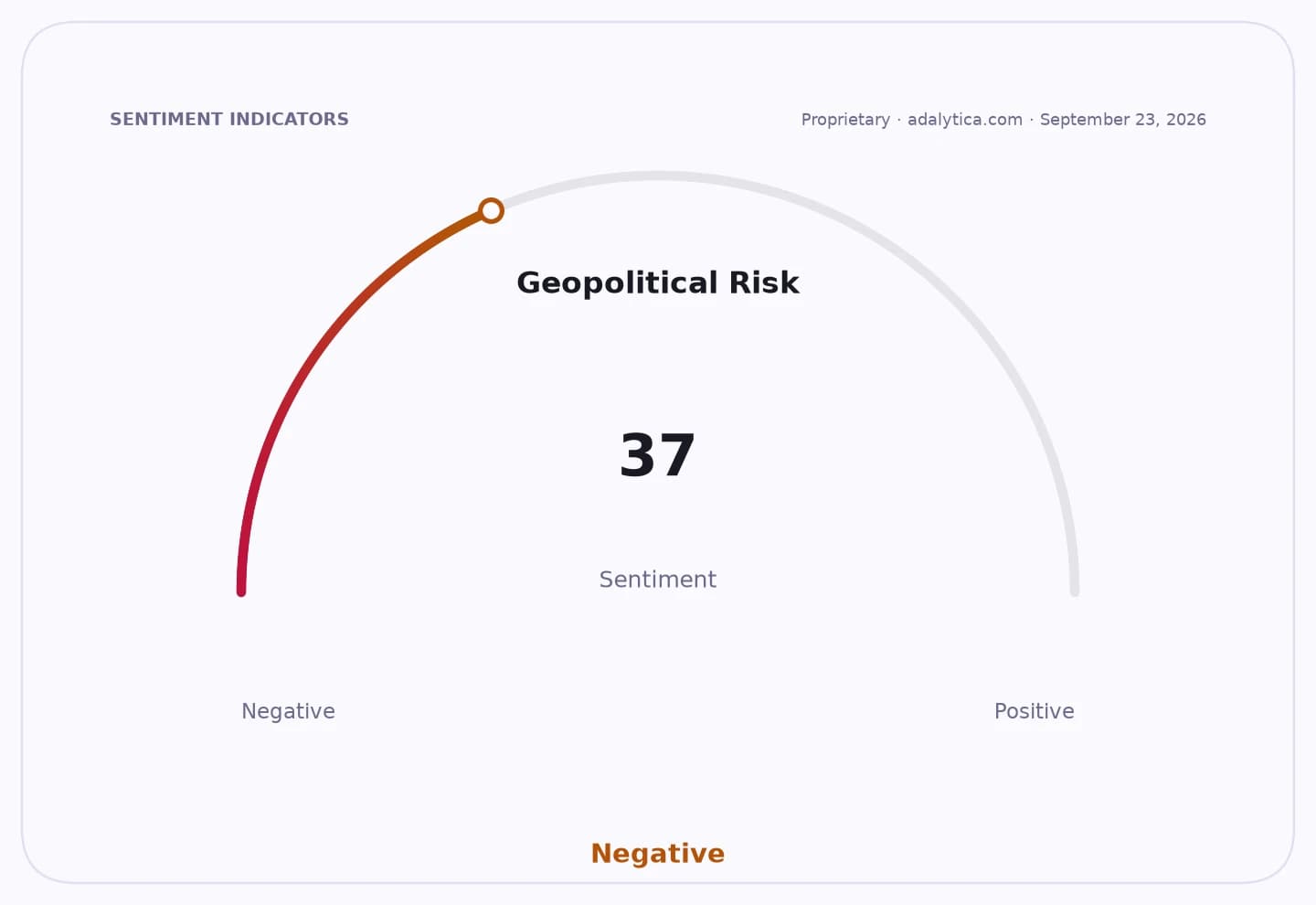
BHP’s acknowledgement of media speculation around a Western Australia iron ore partnership matters because it points to a strategic shift in the world’s most important iron ore supply chain: Chinese steelmakers want a deeper hand in the assets that feed their mills.
BHP Western Australia iron ore partnership speculation
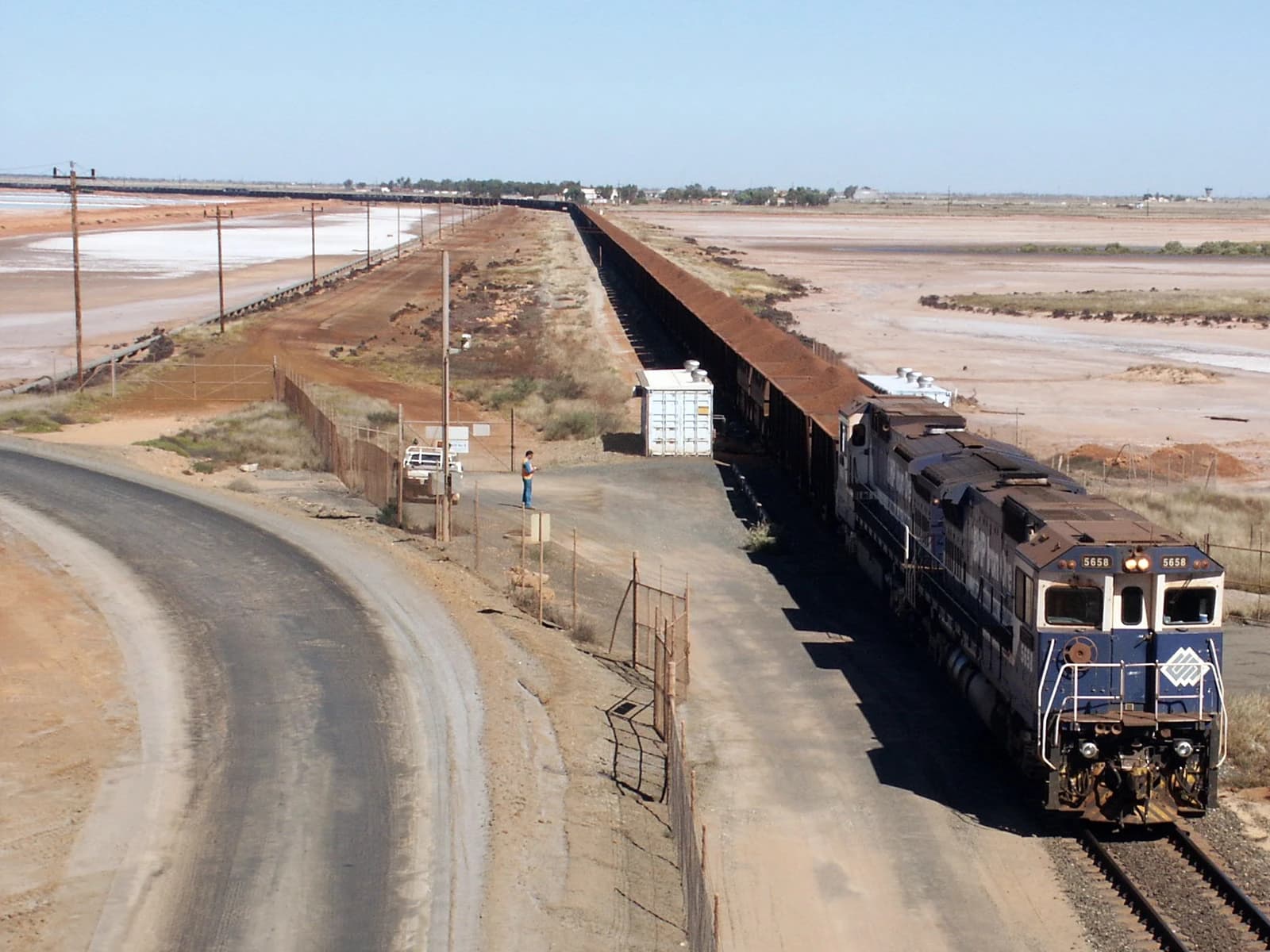
If Baowu or another major Chinese buyer were to secure even a minority stake in a BHP mine, the economic logic would be straightforward. It would harden long-term offtake, improve visibility on supply, and give China more influence over pricing and investment decisions at a time when ore demand is choppy and inventories are being actively managed. For BHP, that could mean a new source of capital and a stronger customer lock-in. For the market, it would signal that the battle over iron ore is moving from spot pricing to strategic ownership.
That is why investors should pay attention even before any formal deal emerges. Western Australia remains the profit engine of BHP’s iron ore business, and any move to bring in a Chinese partner would reshape the risk-reward profile around one of the company’s most valuable assets. BHP shares have already been trading well above both the 50-day and 200-day moving averages, with momentum still positive even after a recent pullback from highs. Rio Tinto, another major Pilbara producer, has also held firm, while Brazil’s Vale has lagged the Australian names, underscoring how capital is favoring assets tied to the lowest-cost, most strategic supply.
The bigger story is that steelmaking demand is no longer just about volumes. China’s top mills are trying to secure cleaner, more dependable feedstock as they navigate slower construction activity, price volatility and the push toward lower-emissions steelmaking. BHP has already been working with major customers including Baowu on decarbonization pathways, so a stake transaction would extend an existing commercial relationship into asset control. That would be a meaningful shift for a sector long dominated by global miners rather than end users.
For investors, the opportunity sits in the toll roads of the commodity chain, not just the ore itself. BHP remains the cleanest way to express stable Pilbara exposure, but any confirmed Chinese equity participation could also support service providers, port infrastructure, power and logistics names tied to the region. The risk is that deeper Chinese involvement could intensify political scrutiny in Australia and complicate future asset decisions. Still, the market underestimates how quickly strategic ownership can change valuation when a buyer is trying to secure supply for decades, not quarters.
The next catalyst is simple: whether speculation turns into a structured partnership. If it does, the winners are BHP and any infrastructure-linked beneficiaries of a more entrenched WA iron ore system. The losers are spot-market pricing power and rivals without the same strategic relevance.
| Entity | Gains | Losses |
|---|---|---|
| BHP | ▲Asset value support | ▼Pricing flexibility |
| China Baowu | ▲Supply security | ▼Spot-market exposure |
| Rio Tinto | ▲Sector re-rating | ▼Relative deal optionality |
| Vale | ▲Competitive pressure relief | ▼Share of investor attention |