A hacker tied to Binance moved about $108 million in stolen Ethereum across five transactions, a reminder that even after years of improved exchange security, a single breach can still ripple through crypto markets, liquidity and investor confidence.
Binance Hacker Moves $108 Million in Stolen Ethereum
Ethereum
The transfers matter because they show how quickly stolen digital assets can be laundered or re-routed before investigators can contain them. In crypto, speed is strategy: once funds move through multiple wallets, recovery becomes harder and the odds of a clean freeze fall sharply. That raises the cost of holding exchange balances, pressures the industry to spend more on cybersecurity and compliance, and keeps the threat of fresh shocks hanging over a market already trading with little margin for error.
Sentiment Indicators
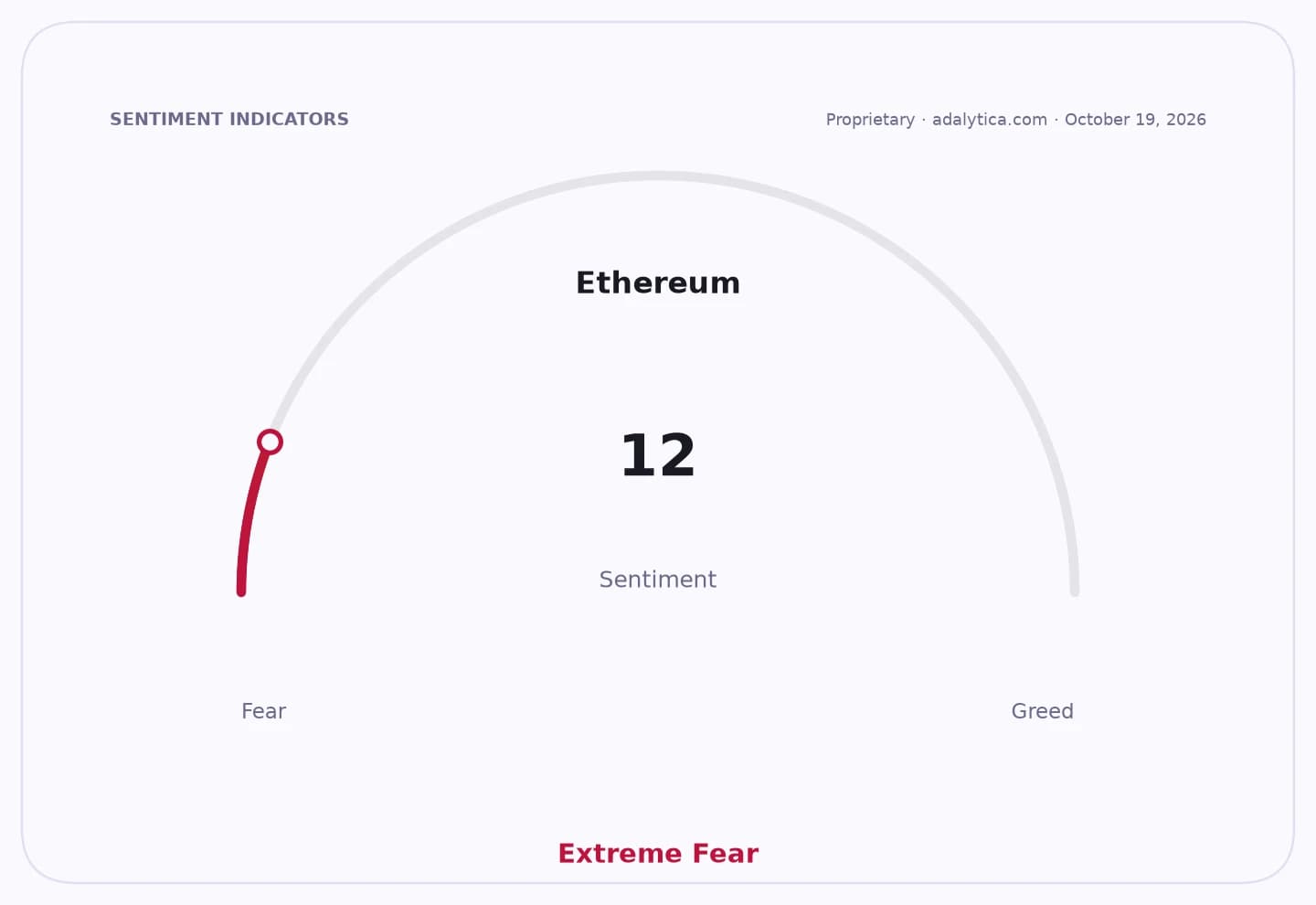
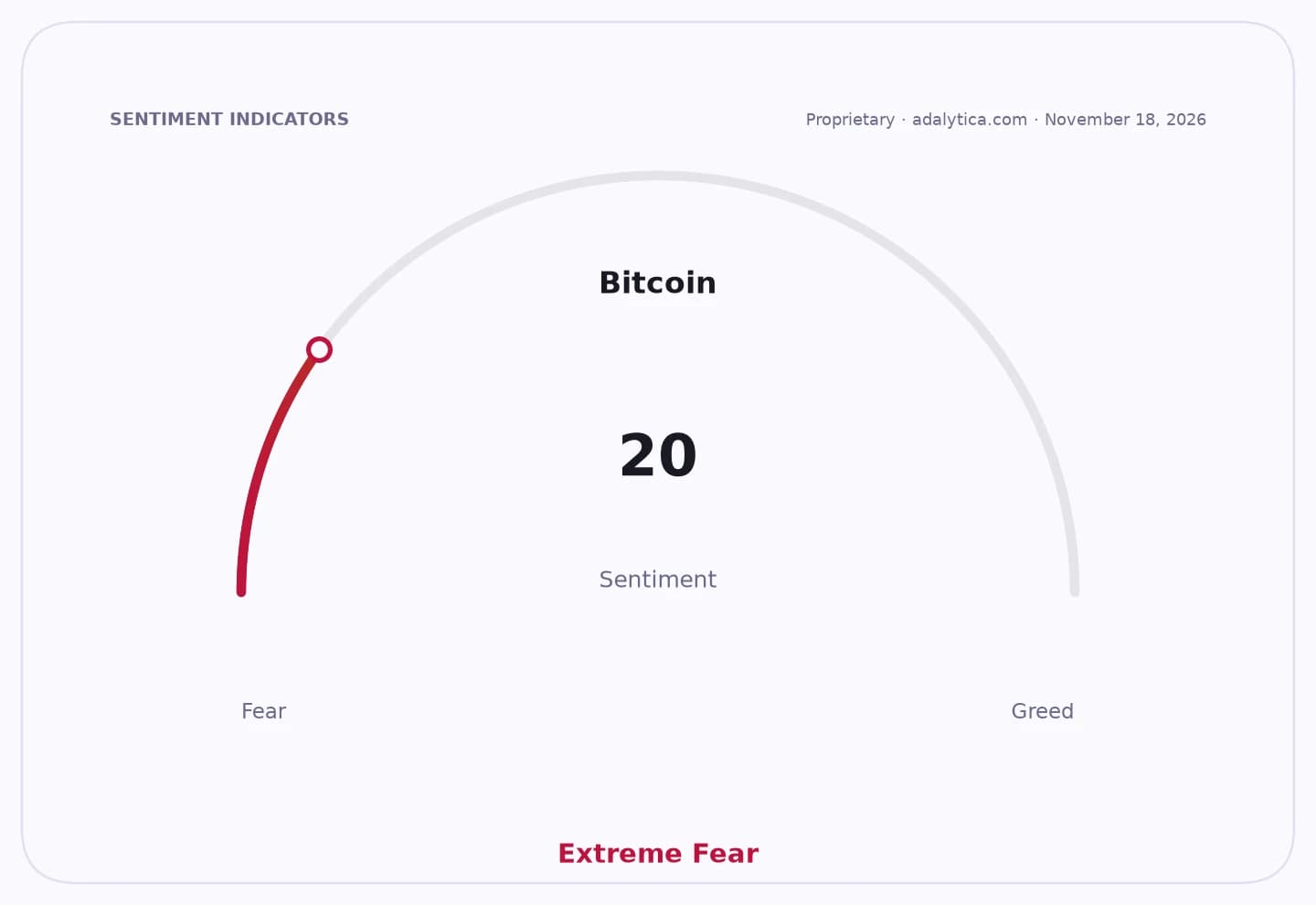
The episode lands at a fragile moment for Ethereum and the broader crypto complex. Ether has been under pressure, closing at $1,762.80 on Nov. 18 after sliding well below its 50-day moving average of about $2,325, with the relative strength index at 10.5, a deeply oversold reading by conventional technical measures. Bitcoin has also weakened, dropping to $62,724.16 and sitting far under its 50-day average of roughly $78,573. The risk-off tone is clear in Adalytica’s Ethereum Fear & Greed Index, which is at 0, or Extreme Fear, while Bitcoin stands at 18, also in Fear.
For investors, that combination is important because hack headlines do more than stain a single exchange. They reinforce the market’s willingness to de-rate the entire sector whenever custody, solvency or operational risk reappears. That is especially relevant for U.S.-listed crypto proxies such as Coinbase, which fell to $112.07 on Nov. 18 and remains below both its 50-day and 200-day moving averages. When confidence deteriorates, trading volumes can spike but valuations often compress, and the benefit usually accrues first to platforms with the strongest compliance, custody and risk controls.
The larger narrative is that crypto remains a market where infrastructure risk is still a macro variable. A major theft does not just hurt the victim exchange; it can slow institutional adoption, invite tougher scrutiny and deepen the discount investors demand for the whole asset class. Until exchanges, custodians and blockchain analytics firms make laundering stolen funds materially harder, security events like this will remain a recurring overhang — and a reason to favor the best-capitalized, best-compliance-positioned names over the weakest links in the chain.
| Entity | Gains | Losses |
|---|---|---|
| Hackers | ▲Liquidity from stolen ETH | ▼Exposure to tracing and freezes |
| Binance | ▲Pressure to tighten defenses | ▼Reputation and trust |
| Coinbase | ▲Relative safety premium | ▼Sector-wide risk sentiment |
| ETH holders | ▲Potentially better security spending | ▼Short-term price pressure |