A former Robinhood software engineer has pleaded guilty to wire fraud over crypto futures trades, underscoring how misconduct tied to digital-asset products can quickly turn into a reputational and regulatory problem for mainstream trading platforms.
Robinhood ex-engineer guilty in crypto futures fraud case
The case matters because it lands at a time when crypto venues and brokers are already facing heavier scrutiny over fraud, market abuse and operational controls. For Robinhood, which has leaned more heavily into crypto and derivatives to deepen engagement and diversify revenue, any suggestion that an insider manipulated trading activity cuts straight to the company’s compliance narrative. It also reinforces a broader market concern: as crypto trading becomes more integrated with traditional brokerage rails, the cost of policing abuse rises.
Sentiment Indicators
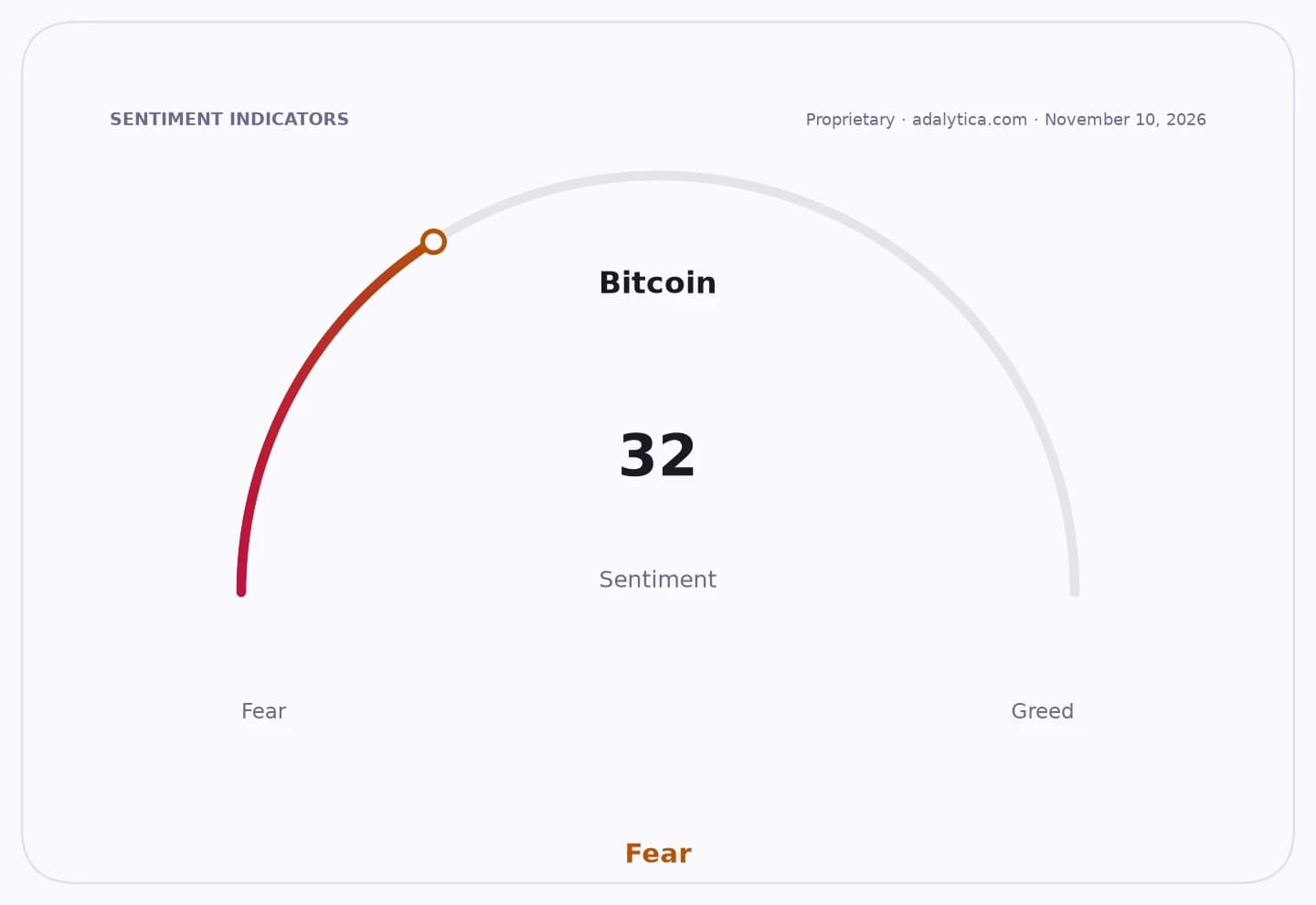
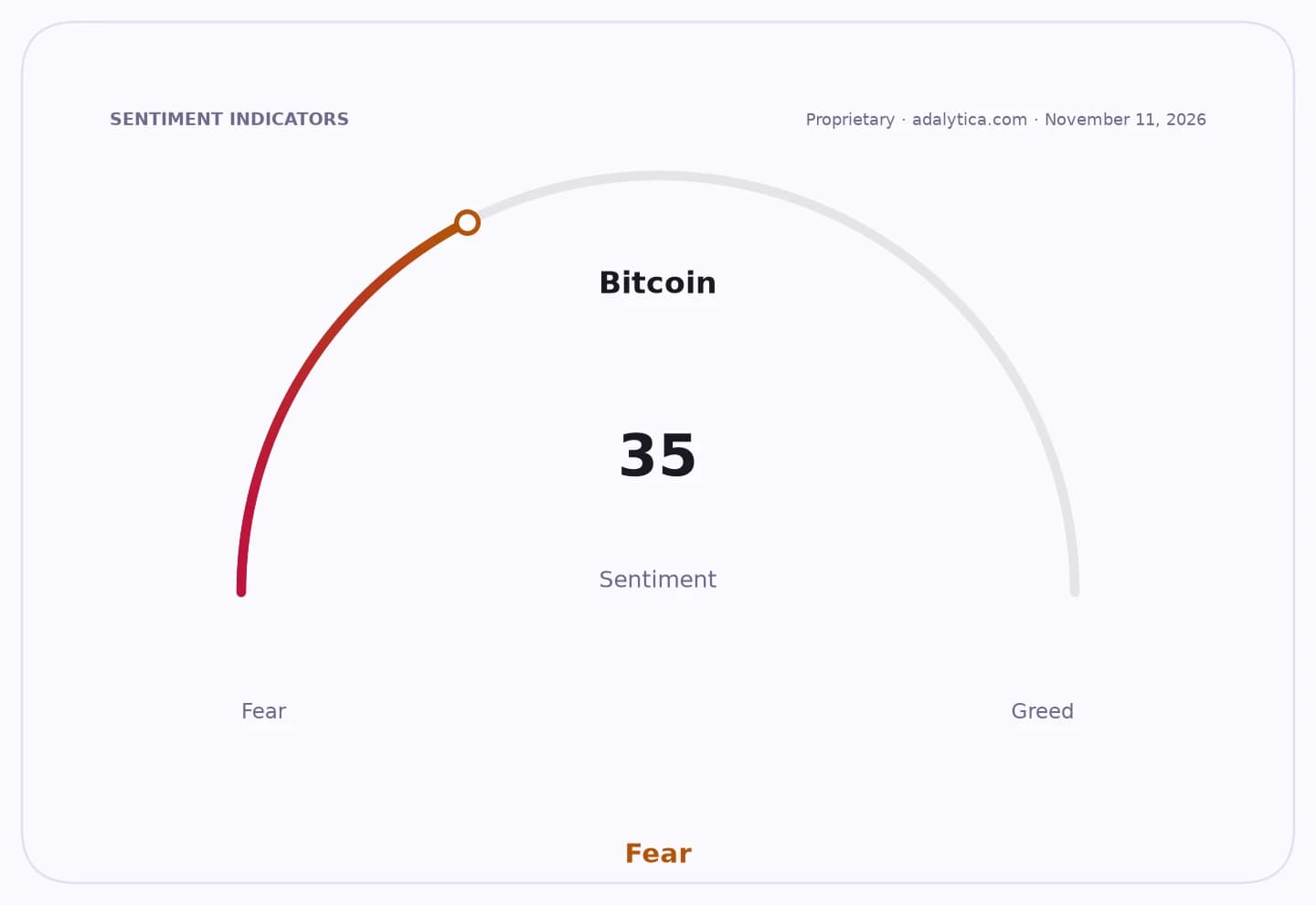
The sector backdrop is already fragile. Adalytica’s Bitcoin Fear & Greed Index sits at 23, in “Fear” territory, down 9 points in a day and 50 points over the past month, showing that risk appetite in crypto remains subdued. In that environment, fraud headlines can have an outsized effect on sentiment because investors are already wary of another round of enforcement actions, exchange failures or cyber-related losses.
Robinhood shares have reflected that pressure. The stock closed at $77.86 on Nov. 13, down from $104.42 on Sept. 16 and well below its 50-day moving average of $103.25, with the 14-day RSI at 32.3, a sign the shares remain technically weak. Coinbase has also sold off sharply, closing at $127.65 on Nov. 13 versus $191.45 on Sept. 14, while MicroStrategy fell to $111.62 from $153.48 over the same recent stretch, highlighting how quickly crypto-linked equities can re-rate when confidence deteriorates.
For Robinhood, the immediate financial impact of one employee’s conduct is likely limited, but the longer-term implications are not. The company disclosed in recent filings that crypto transfers and wallet products increase the risk of fraud, money laundering, tax evasion and scams, and that cybersecurity or compliance failures could damage its brand and create legal exposure. That makes this guilty plea more than a criminal case: it is a stress test for a business model that depends on trust, scale and low-friction trading.
For Coinbase and other major crypto intermediaries, the story is similar even if they were not directly involved. The market tends to treat fraud or enforcement headlines as sector-wide risk because they can lead to tighter oversight, higher compliance spending and slower product expansion. That can weigh on trading volumes, especially when bitcoin itself is already under pressure from weaker sentiment and a more defensive investor base.
The bull case is that enforcement and prosecutions ultimately strengthen the industry by clearing out bad actors and forcing better controls. The bear case is that repeated fraud episodes keep reinforcing the idea that crypto markets remain vulnerable to abuse, which could deter retail activity and delay institutional adoption. Investors will be watching whether regulators or prosecutors widen their focus beyond this case, and whether Robinhood or peers face any follow-on disclosure, control or reputation issues.
For now, the plea is another reminder that the biggest risk in crypto is not only price volatility but also the integrity of the market structure that supports it.
| Entity | Gains | Losses |
|---|---|---|
| Regulators/prosecutors | ▲stronger enforcement case | ▼more scrutiny workload |
| Robinhood compliance teams | ▲case for tighter controls | ▼reputational pressure |
| Coinbase and crypto brokers | ▲industry push for better oversight | ▼broader trust hit |
| Crypto traders/longs | ▲cleaner market over time | ▼lower sentiment and activity |