A former FBI agent’s theft of about $2.47 million in cryptocurrency is a reminder that the biggest risk in digital assets is still human, not code.
Crypto theft case raises custody and control risks

Patrick Stephen Yorgo pleaded guilty to fraud and money laundering after prosecutors said he used privileged access to confidential investigations to move crypto from other people’s wallets into his own accounts, including funds tied to 35 separate probes. The case matters because it shows how quickly a single insider can compromise evidence, expose investigative methods and turn a supposedly traceable asset into a personal piggy bank.
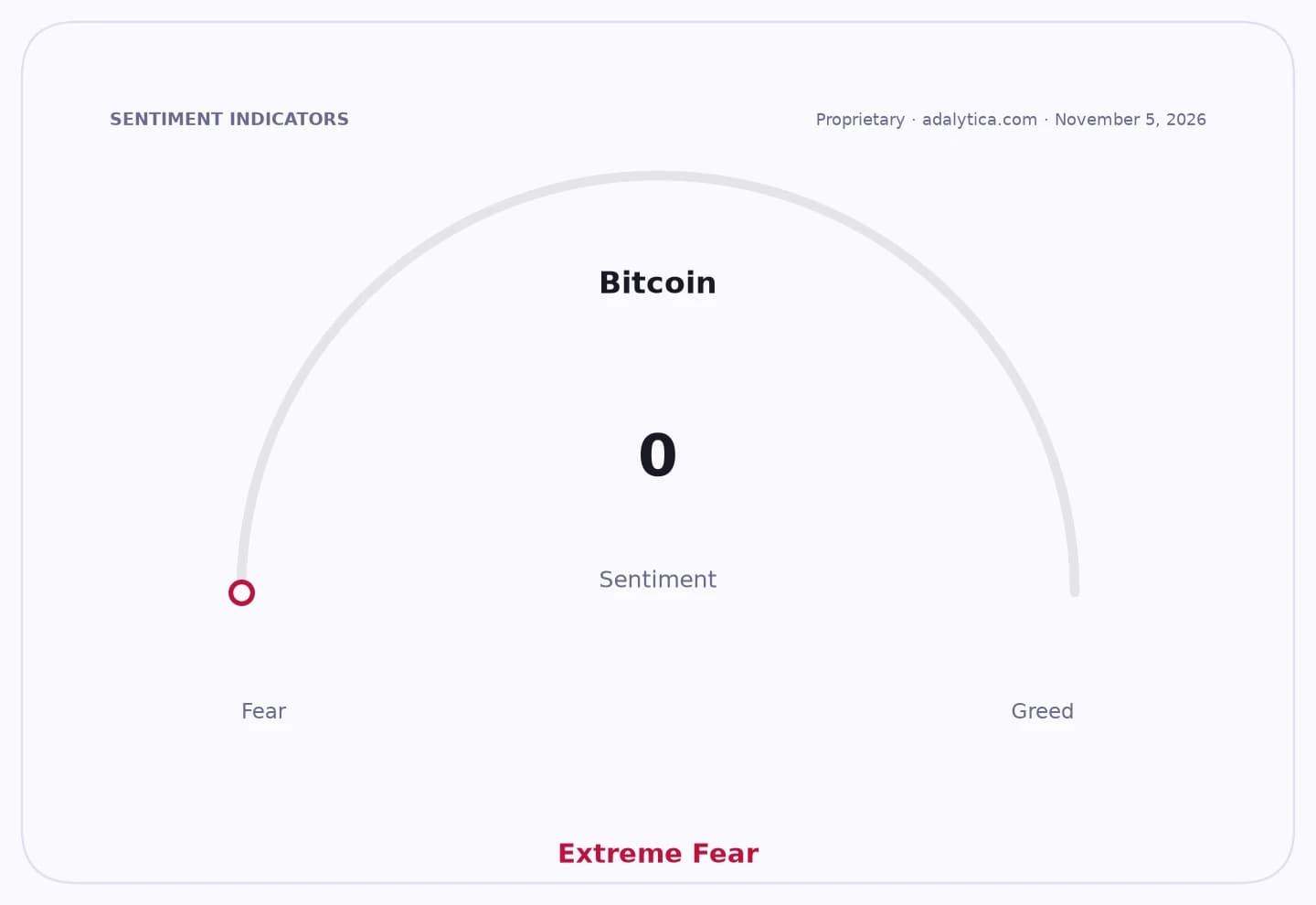
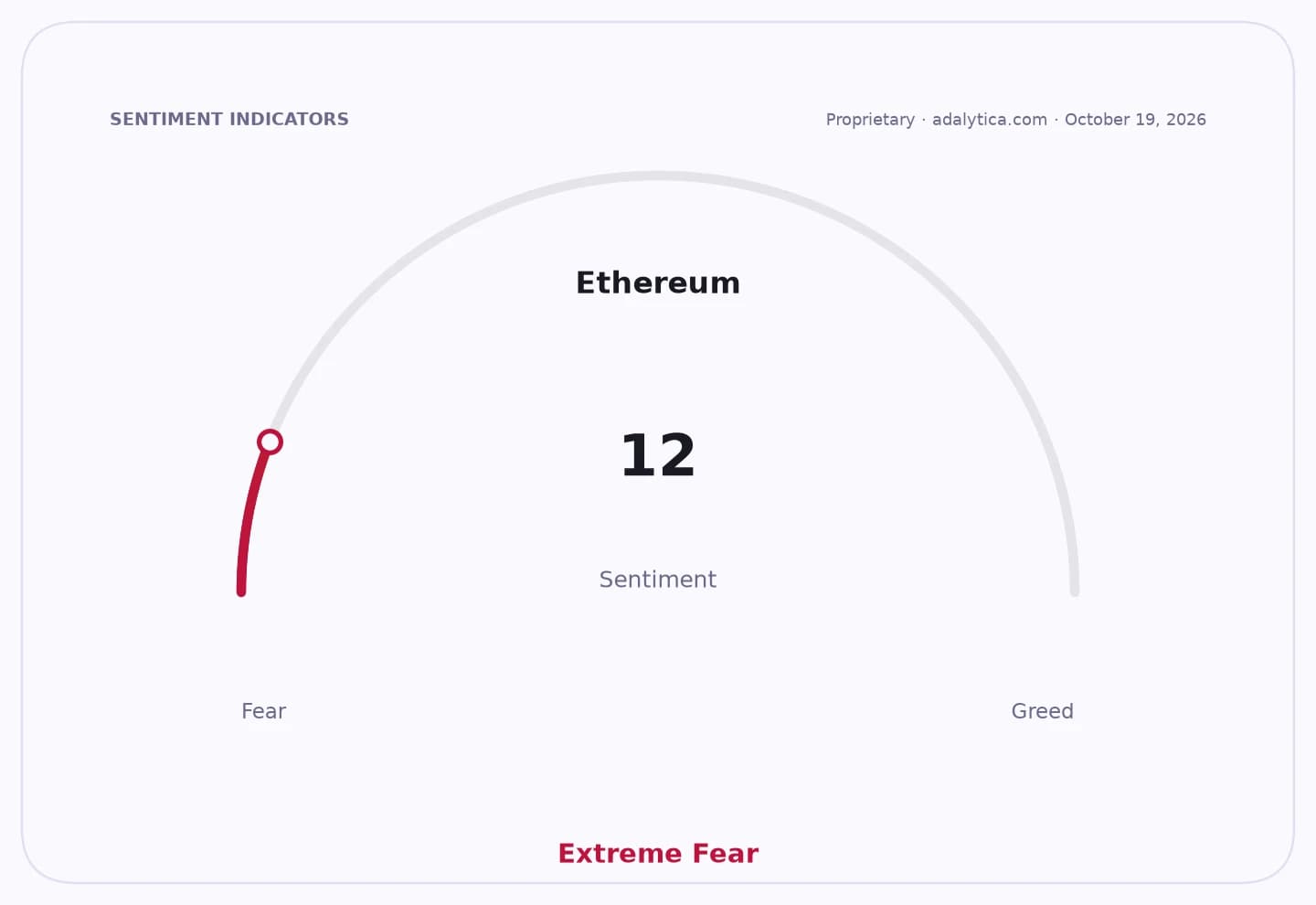
Sentiment Indicators

For investors, that is more than a crime story. It is a fresh reminder that crypto’s long-term appeal depends not just on price appreciation, but on custody, controls and trust. The sector has spent years selling itself as a cleaner, more transparent financial system. Yet the most dangerous weak point can be the person with access to the keys, the wallets or the compliance tools.
Prosecutors said Yorgo executed roughly 100 fraudulent transactions and siphoned off the equivalent of about $2.47 million, then swapped some of the stolen crypto into other digital assets and used the proceeds to pay down credit-card bills, cover a car and other debts. He also appears to have been planning an exit strategy. According to the court record, he asked ChatGPT where to invest the money and which European Union country would be best for a fresh start, with Portugal and a vineyard purchase among the suggestions.
That detail may sound almost absurd, but it underscores how ordinary financial motives sit behind many crypto crimes. Greed, debt and poor judgment still drive a large share of illicit behavior. The technology may be new, but the incentive structure is ancient.
The broader market backdrop helps explain why this story resonates. Bitcoin has been under pressure, with BTC-USD recently trading around $71,827, below its 50-day and 200-day moving averages and with an RSI reading in the low 30s, a sign of a market that has already been bruised. Shares of Coinbase and MicroStrategy have also fallen sharply from earlier highs, reflecting a more cautious mood around crypto exposure. When confidence is fragile, headlines about theft, internal abuse and operational lapses can hit harder than they otherwise would.
For long-term investors, the takeaway is not to panic over one criminal case. It is to remember that the winners in digital assets will be the firms that prove they can secure customer assets, comply with regulators and survive repeated stress tests. Exchanges, custodians and public companies with large bitcoin holdings all live or die by operational integrity.
The prison term Yorgo faces, up to 20 years, will matter to him far more than to the market. What should matter to investors is the lesson: in crypto, security is not a side issue. It is the business. Keep the sector on your watchlist, but insist on balance-sheet strength, custody discipline and a long time horizon before you buy.
| Entity | Gains | Losses |
|---|---|---|
| Crypto investors | ▲Better awareness of custody risk | ▼Trust in market integrity |
| Exchanges and custodians | ▲Pressure to tighten controls | ▼Reputational damage from breaches |
| Bitcoin holders | ▲Long-term push for stronger safeguards | ▼Short-term headline risk |
| FBI and prosecutors | ▲Stronger deterrence message | ▼Exposure of investigative methods |