The Democratic sweep of Congress makes sweeping U.S. crypto legislation far less likely over the next two years, even as Bitcoin and related stocks rallied on hopes that regulators will still keep the industry moving forward.
Bitcoin, Coinbase Rise as Congress Turns Against Crypto
That matters because the next phase of crypto regulation in the United States depends less on market enthusiasm than on whether lawmakers can agree on clear rules for stablecoins, token classification and the federal agencies that should oversee digital assets. With Democrats now expected to control 258 House seats and 54 in the Senate, the legislative path for Republican-backed bills such as the Clarity Act appears narrower, while the political temperature around President Donald Trump’s crypto ties is likely to rise.
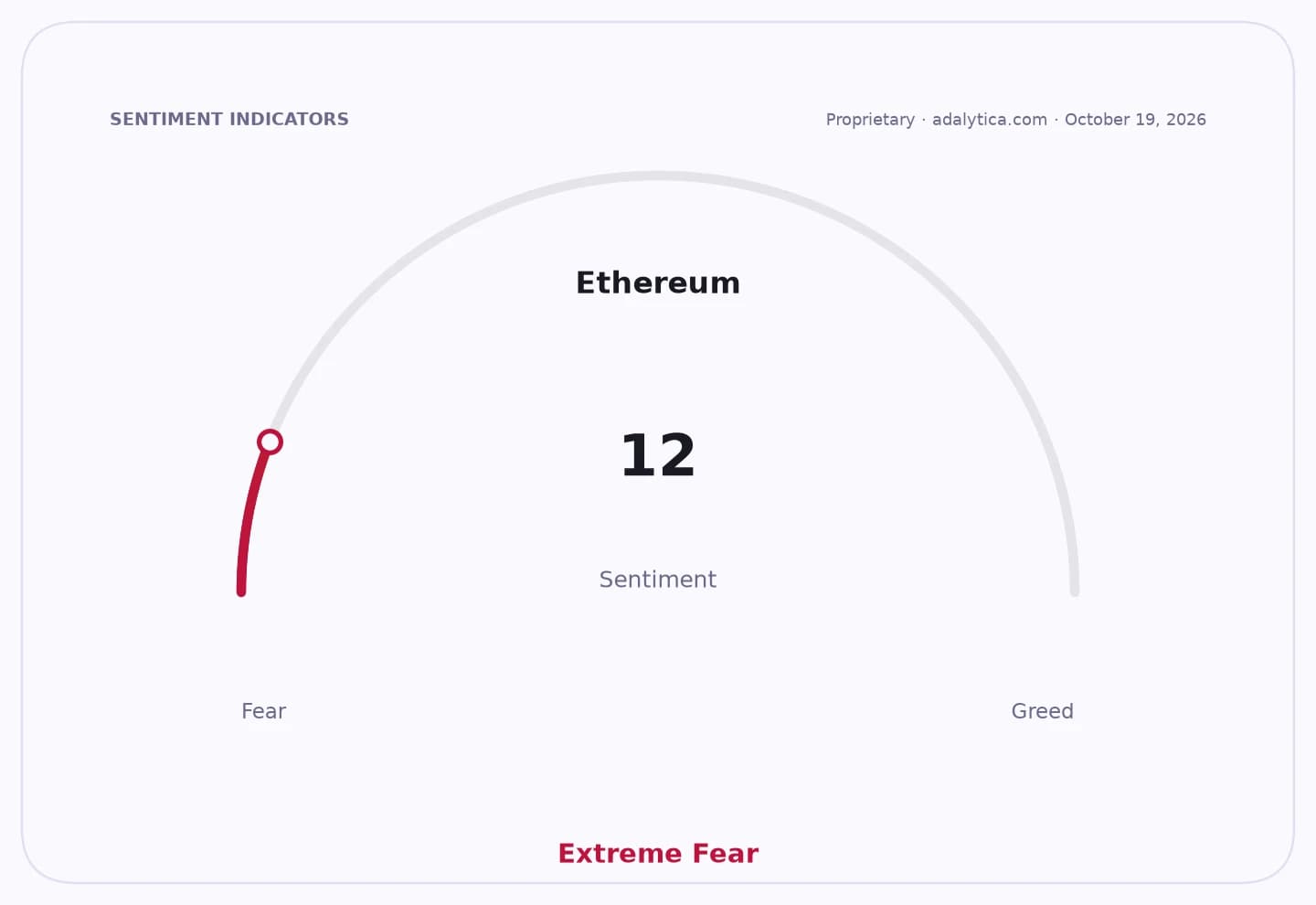
Sentiment Indicators
The market’s immediate reaction was constructive. Bitcoin traded nearly 4% higher in late morning action, while shares of Coinbase, MicroStrategy and Riot Platforms all moved sharply, reflecting investors’ view that pro-crypto policy at the agency level is still alive even if Congress becomes a more difficult venue. Bitcoin’s move also came alongside a sharp improvement in sentiment in Adalytica’s Bitcoin Fear & Greed Index, which showed “Extreme Fear” but a 4% one-day gain in the benchmark.
The real question for investors is not whether crypto will remain investable, but whether the industry gets the regulatory clarity that could broaden institutional adoption. The GENIUS Act already gave stablecoins a framework, but the larger Clarity Act — which would define oversight boundaries for digital assets — failed to pass after Democrats pushed for tougher ethics restrictions on lawmakers and the president. A Democratic majority raises the odds that those concerns return to center stage, especially if party leaders use crypto holdings and lobbying as a line of attack against Trump.
That creates a mixed setup for the sector. On one hand, Trump-appointed regulators at agencies such as the Securities and Exchange Commission could still move on rules that help exchanges, token issuers and custody providers. On the other, legislation that would reduce legal ambiguity is likely to stall, preserving the patchwork environment that has weighed on capital formation and left companies exposed to shifting enforcement risk. TD Cowen analyst Jaret Seiberg said Democrats were likely to sour the political environment for crypto by investigating Trump’s entanglements, and that he does not expect the Clarity Act to clear Congress in the next two years.
For listed crypto names, that means volatility remains tied to politics as much as to token prices. Coinbase has been one of the clearest beneficiaries of a friendlier policy backdrop, while MicroStrategy and bitcoin miners such as Riot trade with leverage to Bitcoin itself. Their recent price swings underscore how quickly investor expectations can reset when the regulatory narrative changes. Technical indicators also suggest the sector remains fragile despite the rebound: Coinbase’s shares were still below their 50-day moving average and MicroStrategy’s recent chart action showed momentum weakening, even after strong earlier gains.
The broader implication is that 2027 may arrive with a more adversarial Congress, a still-pro-crypto executive branch and no clean legislative settlement. That combination could delay the kind of comprehensive framework investors have been waiting for, even if it does not reverse the industry’s progress. For now, the bull case is that regulators keep opening doors one rule at a time; the bear case is that Washington’s gridlock leaves crypto in legal limbo for another two years.
| Entity | Gains | Losses |
|---|---|---|
| Bitcoin holders | ▲Policy optimism | ▼Legislative clarity |
| Coinbase, MSTR, RIOT longs | ▲Pro-crypto regulation | ▼Higher political risk |
| Democratic lawmakers | ▲Oversight leverage | ▼Fast-moving crypto reform |
| Crypto industry | ▲Agency-friendly rules | ▼Clarity Act momentum |